For electricians, a ute functions as a mobile workshop, a secure storage system and a base for moving between jobs throughout the day. Tools, fittings, safety gear, test equipment and materials all need to be carried in a way that keeps them protected, organised and easy to access.
This guide breaks down what an effective electrician’s ute setup needs to achieve, explores storage and layout options and outlines practical considerations to help you build a system that works for your daily demands.
Understanding what an electrician’s ute setup needs to achieve
Before choosing components, it helps to focus on the core functions your setup must support. Most electricians rely on their ute to handle several key requirements, including:
Organised storage for tools and consumables
Electricians carry a wide mix of equipment, from hand tools and power tools to test instruments, cabling, fixings and fittings. A good setup separates these items into clear zones so tools are easy to find and protected from damage.
Flexibility for changing loads
Some days require reels of cable, ladders or conduit. Other days involve smaller fittings, switchgear or testing equipment. An electrician ute setup should adapt to varying loads without forcing constant reorganisation.
Fast access and site efficiency
Time spent searching for tools or unpacking gear adds up quickly, especially on busy sites or during short call-outs. A practical layout reduces unnecessary movement, keeps frequently used tools within reach and helps jobs run to time.
Protection and security
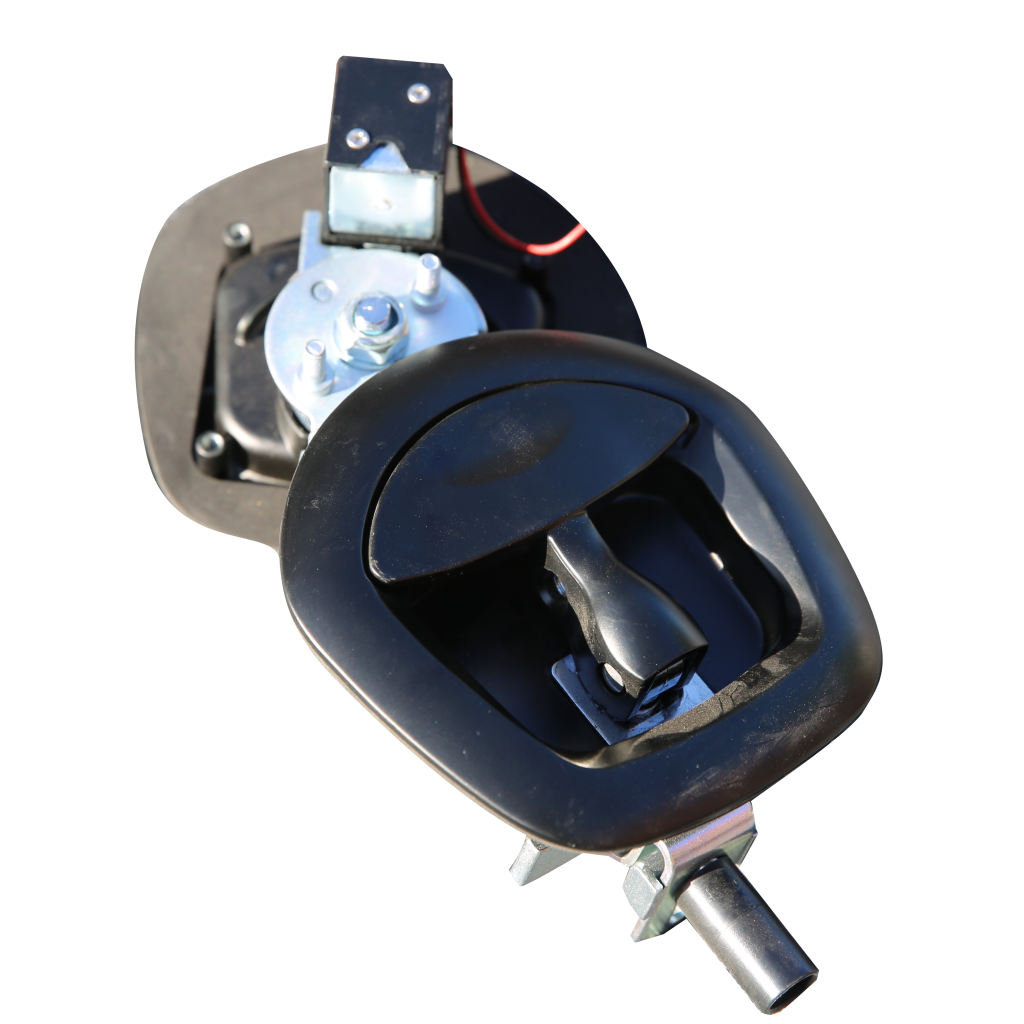
Electrical tools and testing equipment are often high value and sensitive to dust and moisture. Secure, weather-resistant storage helps protect your investment and keeps gear in working condition.
This is particularly important for testing instruments, certification tools and safety equipment that must remain accurate, clean and compliant.
Choosing the right canopy or tray foundation
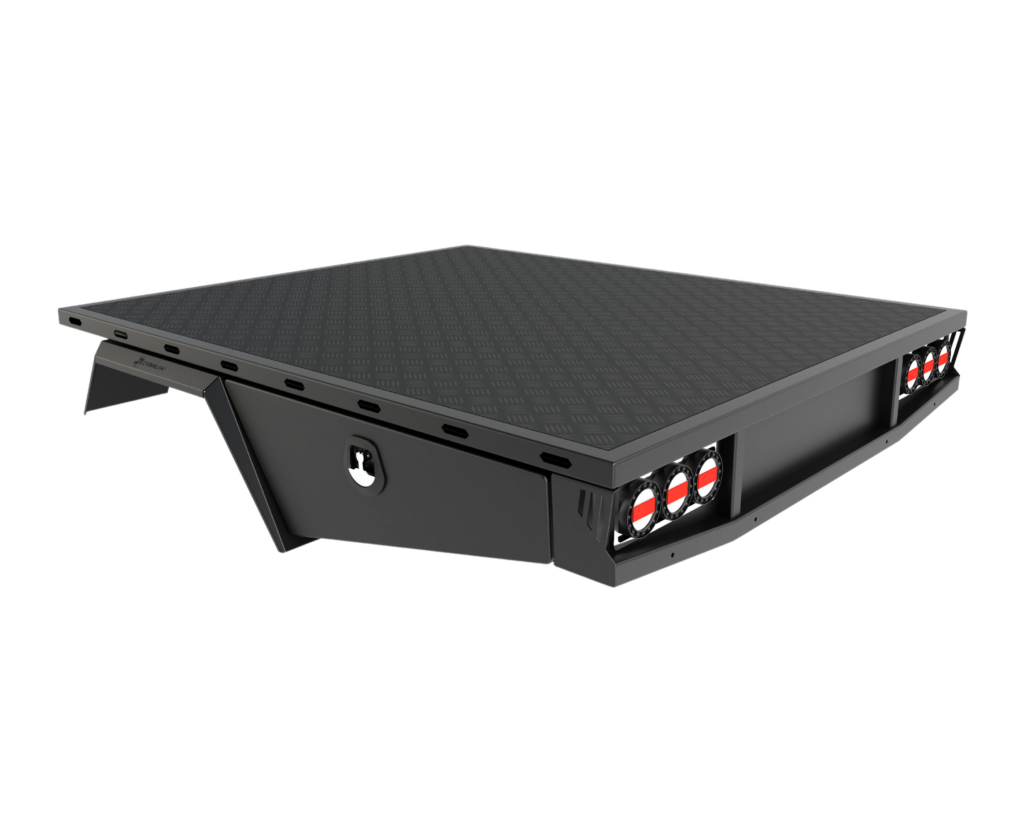
Every ute build starts with a solid base. For electricians, the choice between a canopy and a tray, or a combination of both, has a major impact on how the vehicle functions. When the base is poorly matched to the type of work you do, even well-designed storage systems can become awkward to use or difficult to access on site. Consider the options below:
Canopy-based setups
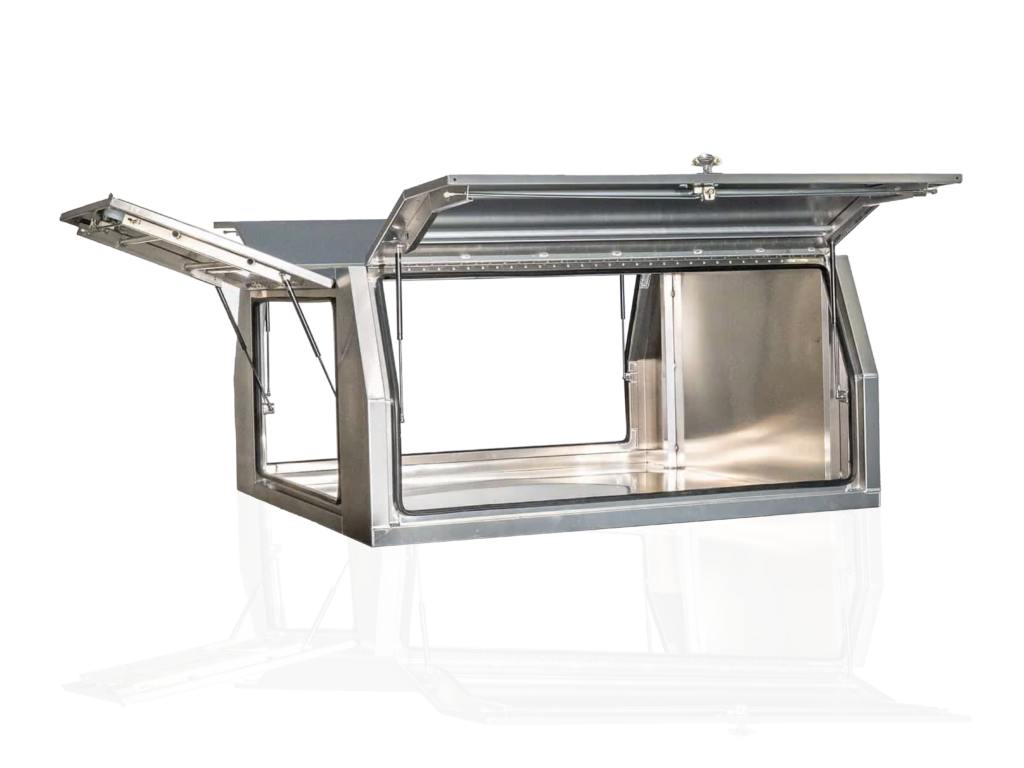
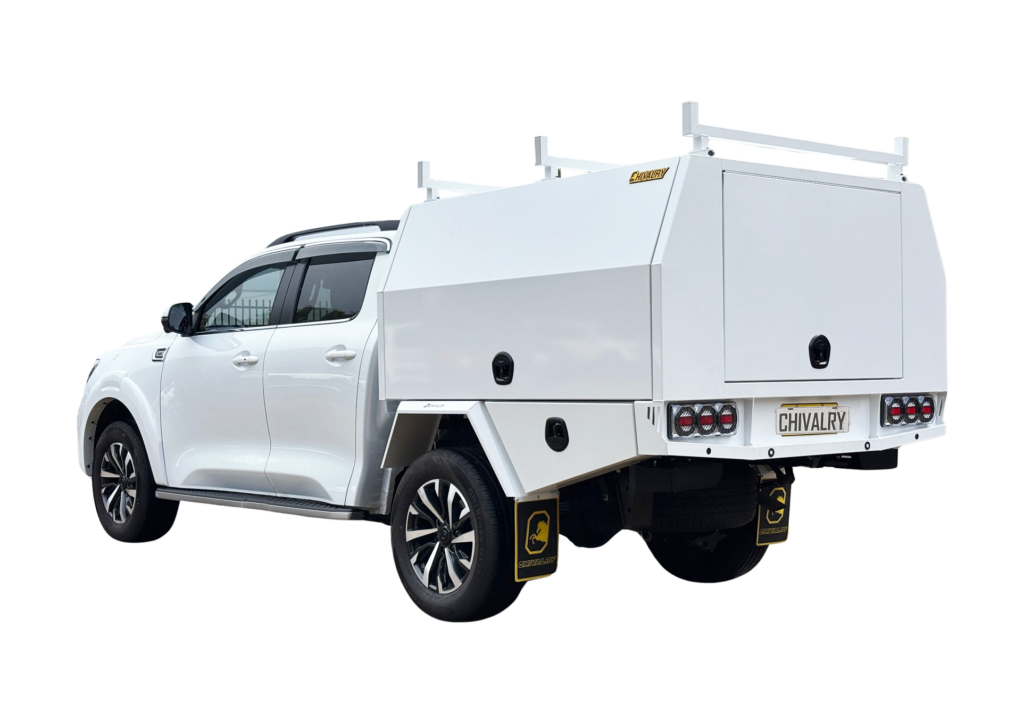
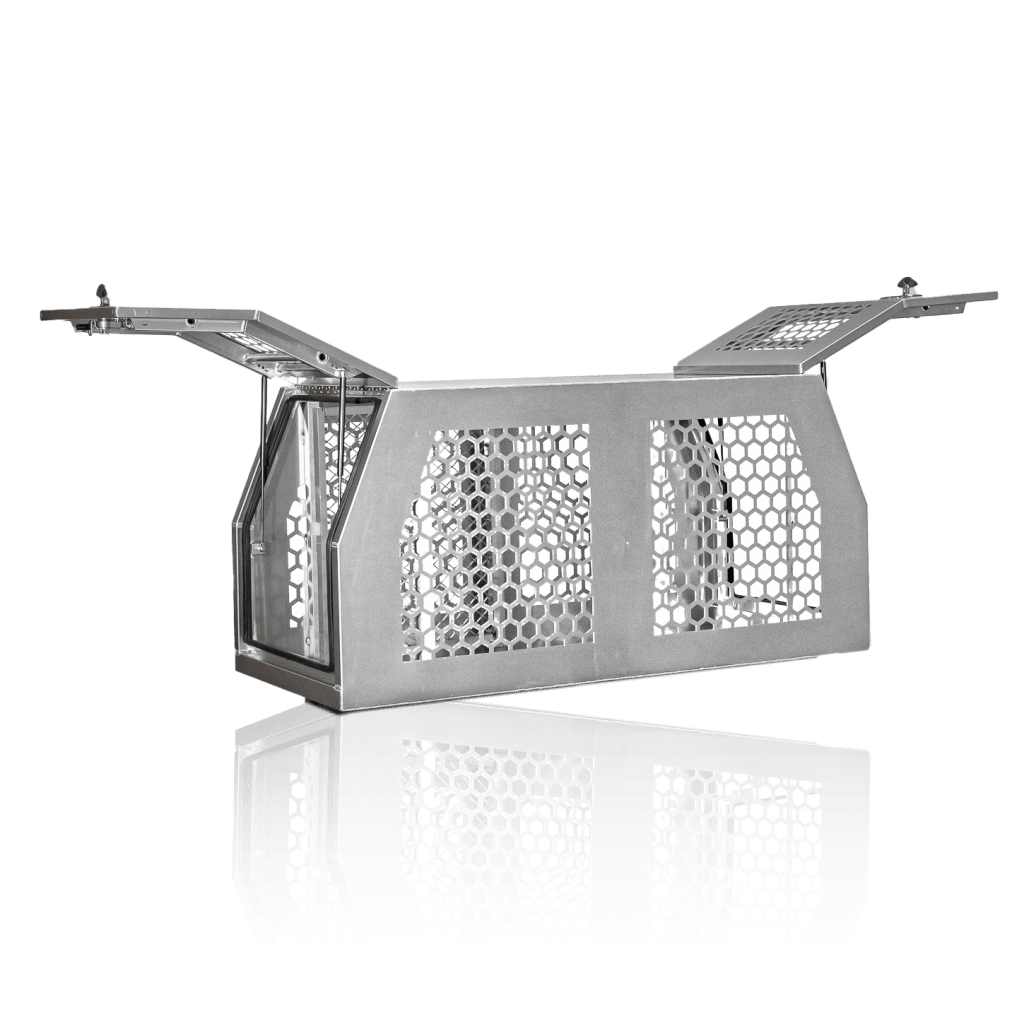
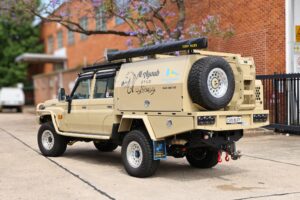
A canopy is a popular option for electricians who need enclosed, secure storage. It protects tools from weather and dust and allows for structured internal layouts.
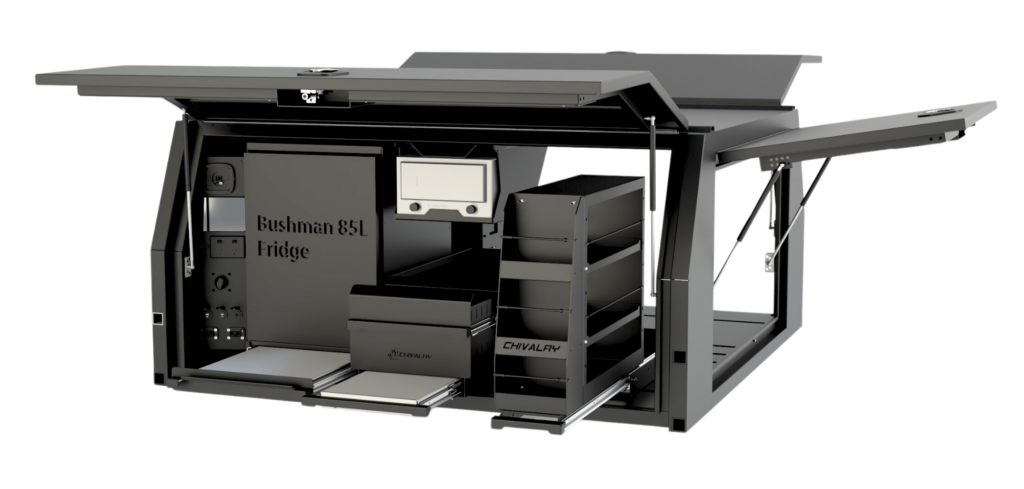
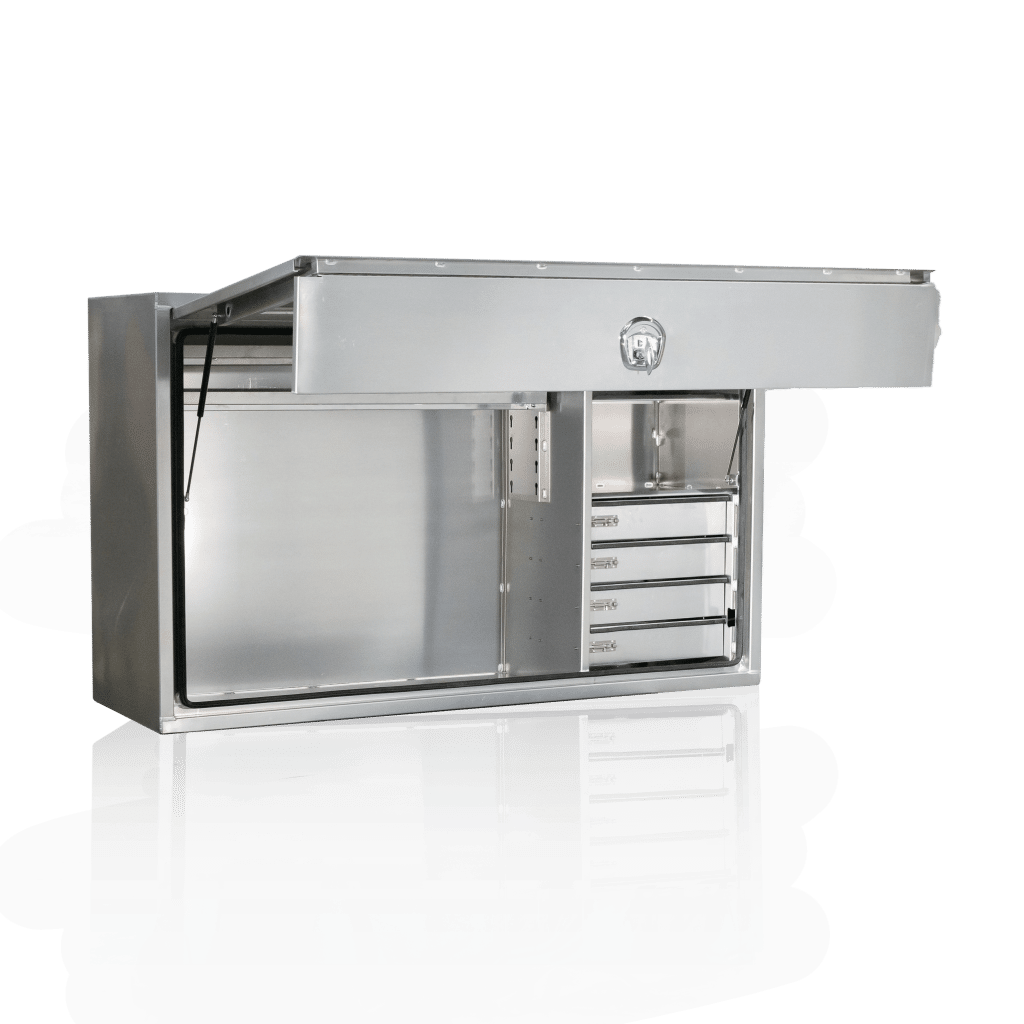
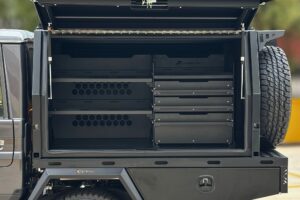
Within a canopy, you can install shelving, drawers and mounting systems that keep equipment visible and organised. Enclosed storage is particularly useful for test equipment, power tools and consumables that need to stay dry and clean.
More advanced canopies with internal frameworks allow heavier components to be mounted securely. This is especially helpful when installing multiple drawer systems or electrical fit-outs.
Tray-based setups
Open trays offer flexibility for carrying long or bulky materials such as conduit, cable trays, ladders or switchboards. Many electricians choose a tray when material transport is a regular part of their work.
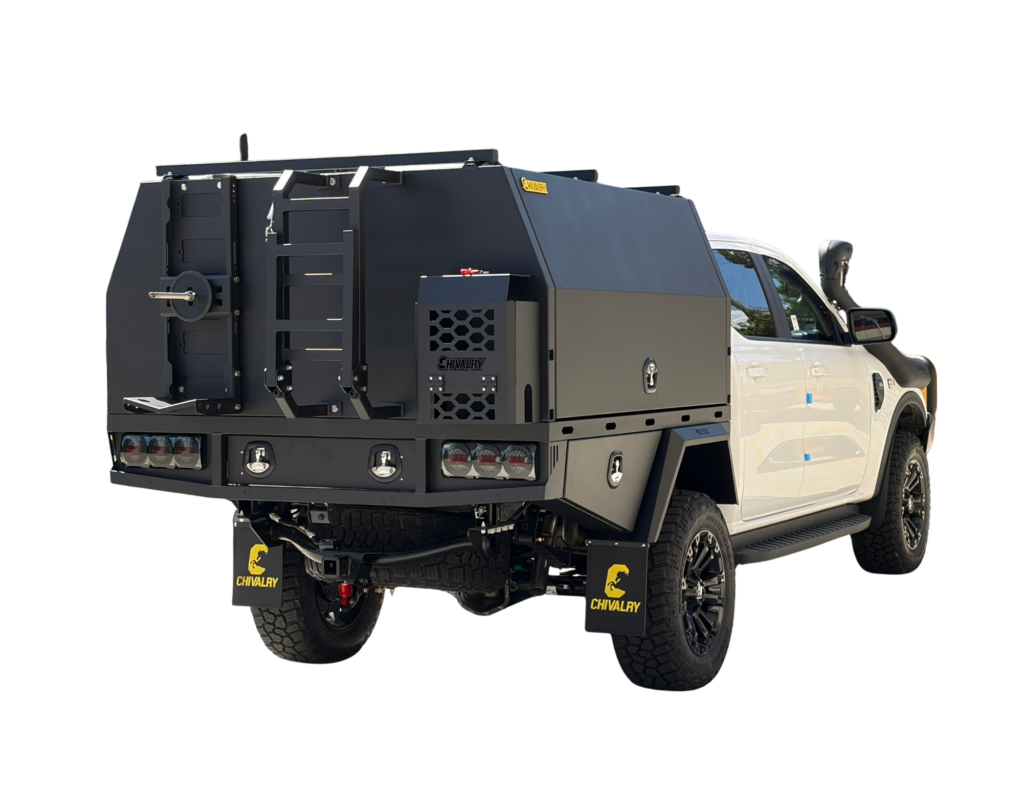
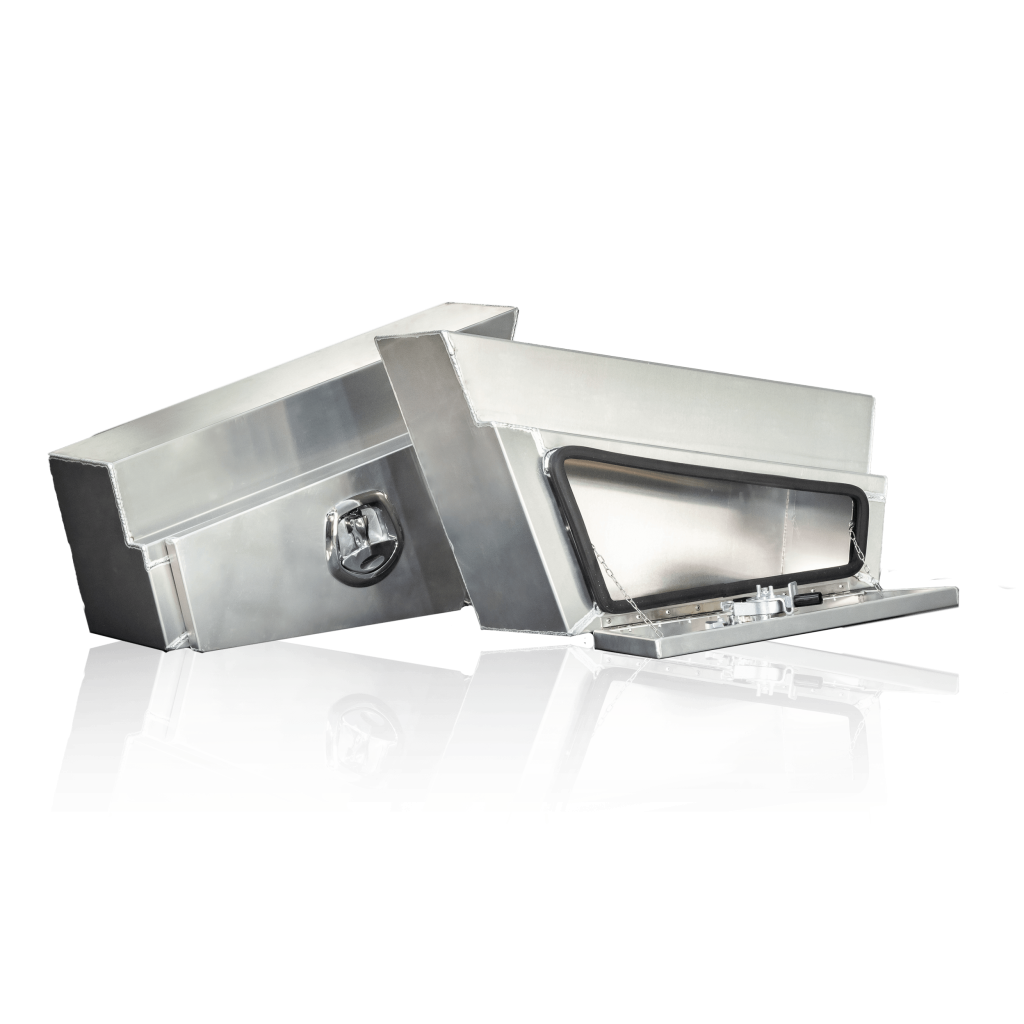
A tray does not mean sacrificing organisation. Lockable under-tray toolboxes, half canopies or modular storage units can still be added to keep tools secure while leaving space for materials.
Hybrid setups
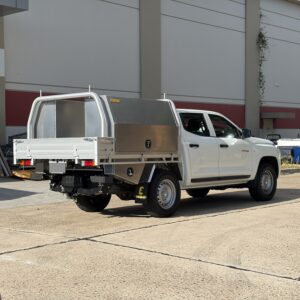
A hybrid approach combines the strengths of both options. Part of the tray can be dedicated to a canopy with organised tool storage, while the remaining space is left open for materials. This style suits electricians who move between installation work and service jobs, where neither a fully enclosed canopy nor an open tray alone would be practical.
Building structured storage with drawers and toolboxes
Once the right canopy or tray foundation is in place, efficient storage becomes the backbone of any electrician’s ute setup. The goal is to minimise time spent searching while keeping tools protected and easy to access. Without this separation, small fittings and testing tools often end up mixed together, slowing work, increasing the risk of damage and turning simple tasks into repeated trips back to the ute.
Electricians with established ute setups typically rely on one or more of the following storage systems:
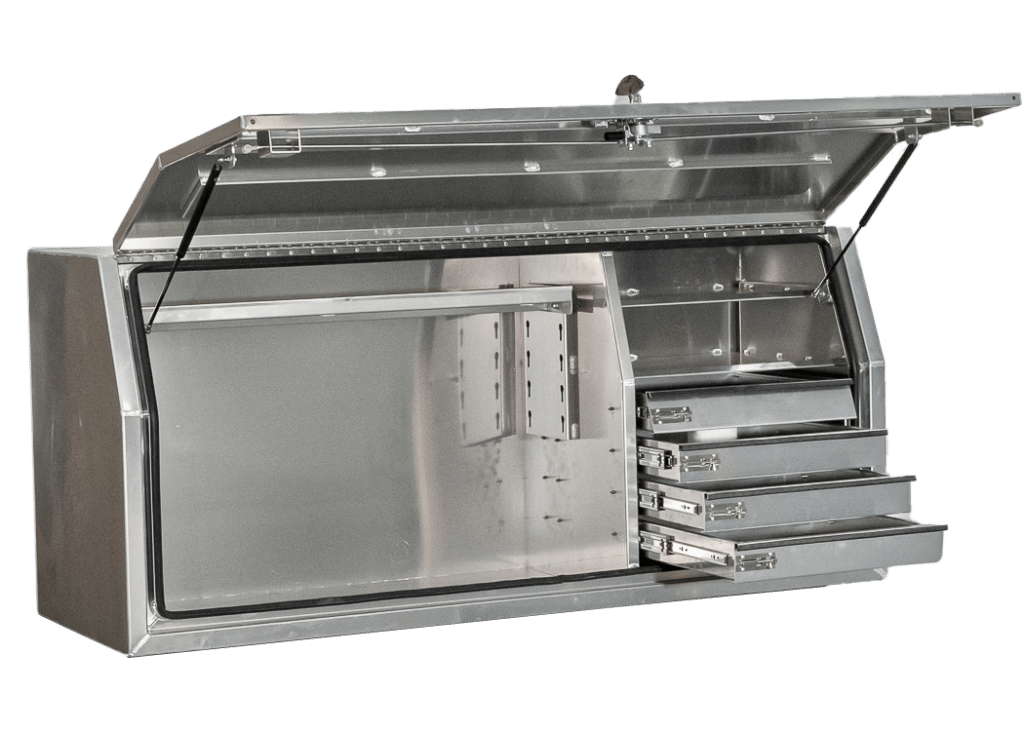
Drawer systems
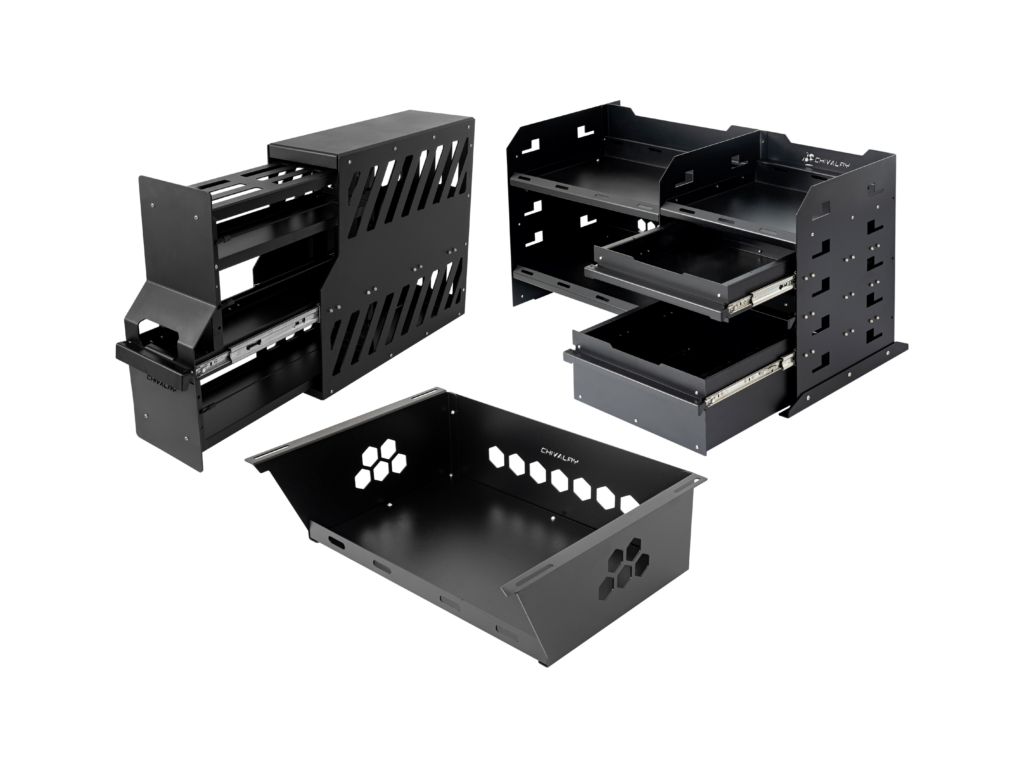
Drawer systems are ideal for organising smaller tools, fittings and consumables. Shallow drawers work well for terminals, connectors, screws and fixings, while deeper drawers can house drills, testers and power tools.
Grouping items by task helps maintain order. A practical approach is to allocate drawers by task, such as:
- One drawer for hand tools
- One for testing equipment
- One for commonly used fittings
- One for safety gear
Clear labelling makes it easier to maintain consistency, especially on busy days.
Toolboxes
Toolboxes are useful for storing larger or less frequently accessed equipment. Side-opening toolboxes allow quick access without climbing onto the tray, while under-tray toolboxes keep heavier or dirtier items out of the main storage area.
Toolboxes are great for:
- Extension leads and reels
- PPE and safety equipment
- Backup tools
- Items used less often but still required on site
Modular storage
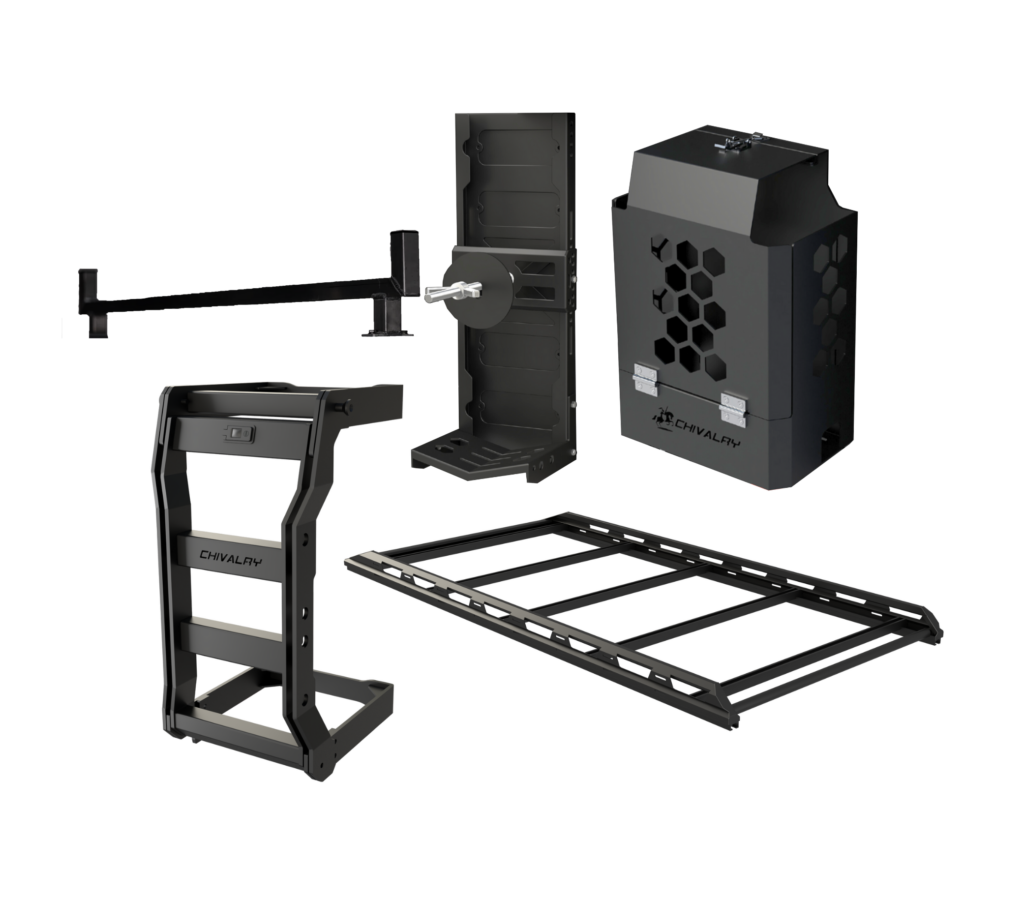
Modular tubs, dividers and adjustable shelving give electricians the ability to reconfigure storage as job types, toolkits and compliance requirements change. This flexibility is valuable for electricians whose toolkits expand over time or who move between different types of jobs.
Managing power and charging on the go
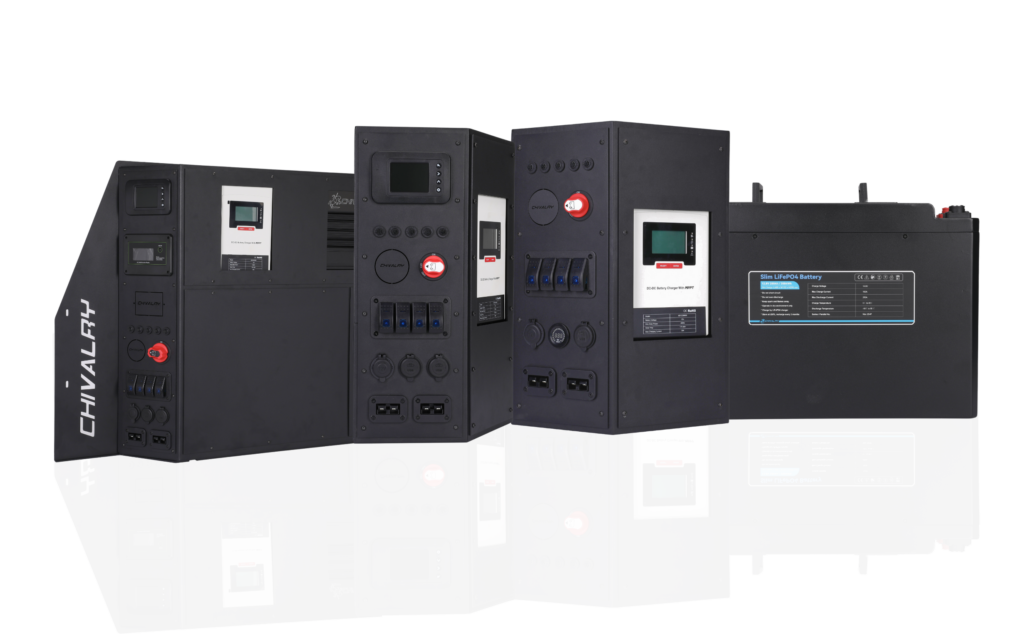
With most electricians relying on battery-powered tools throughout the day, on-board power becomes a practical necessity rather than a convenience, keeping tools charged and ready without relying on site power. Electricians go about this one of two ways:
Power station setups
A portable power station provides a simple way to run chargers, lighting and small devices. It can be secured inside the canopy and used to support daily charging needs.
Power stations are especially useful for:
- Charging cordless tool batteries
- Running test equipment
- Powering canopy lighting
- Supporting laptops or tablets for plans and documentation
Integrated electrical systems
Some electricians choose a more permanent setup with onboard power integrated into the canopy. This can include fixed outlets, lighting and charging points positioned near drawers or work zones.
Regardless of approach, planning cable routing and outlet placement early helps keep the system tidy and easy to use.
Internal lighting
As part of the onboard power setup, LED lighting inside the canopy improves visibility when working in low light. Placing lights near drawers and access points makes tools easier to find without unloading equipment or relying on torches.
Build a smarter electrician’s ute setup with L&G Chivalry
A well-designed setup supports your workflow, protects your tools and helps you stay efficient across every job. At L&G Chivalry, we design aluminium ute canopies, trays, toolboxes and storage systems that suit real trade use.
Our range includes modular solutions such as the Canopy X3, built to support drawer systems, electrical fit-outs and organised internal layouts. We can help you plan an electrician ute setup that balances secure storage, flexible load handling and practical access for testing gear, tools and materials used every day on site.
If you are ready to build a ute setup for electricians that works as hard as you do, speak with our team to plan a configuration tailored to your tools, tasks and workflow.