Adding a canopy to your ute is a practical decision, but compatibility is what determines whether that decision works long term. A well-matched canopy integrates cleanly with your tray, seals properly against dust and water, supports your intended load and remains stable across daily use. A poor fit, on the other hand, can lead to vibration, uneven door alignment, premature wear and never-ending frustration.
This guide explains how to assess ute and canopy compatibility properly before committing. It breaks down tray configurations, mounting methods, weight planning and model-specific considerations so you can make a confident, informed decision.
What canopy compatibility needs to achieve
Compatibility is not simply about whether a canopy can be bolted on. It must achieve several practical outcomes to perform as intended:
Structural alignment
The canopy base must sit evenly on the tray surface, with full contact across mounting points. Uneven alignment creates stress through the frame and can affect long-term durability.
Secure mounting integration
Mounting hardware should match the tray design and distribute load evenly. Incorrect mounting can compromise stability and lead to movement under load.
Balanced weight distribution
A canopy consumes part of your available payload. The combined weight of the canopy, accessories and stored gear should remain within the vehicle’s payload rating and any relevant accessory limits set by the manufacturer.
Seal integrity and weather protection
Weather and dust resistance rely on even pressure across seals. Poor fitment can create small gaps that allow water or fine dust to enter. As a general check, seals should maintain consistent contact along the full perimeter without visible gaps or uneven compression.
Access and usability
Door clearance, headboard spacing and internal layout planning all influence how practical the canopy is day to day. A compatible setup should support how you actually use your ute.
Can my ute fit a canopy?
Most modern utes can accommodate a canopy, but suitability depends on tray type, load capacity and how the vehicle is configured.
You need to assess:
- Tray type (factory tray, tub or aftermarket tray)
- Cab configuration (single, extra or dual cab)
- Internal tray dimensions
- Payload capacity (the total weight your ute can safely carry, including the canopy and its load)
- Intended use and load
For example, a tub-style rear body requires a canopy designed specifically for that profile, while a flat tray allows greater flexibility. Even among flat trays, internal widths and headboard designs vary.
The first step is confirming that your tray and payload can support a canopy safely. The next is identifying a configuration that aligns with your dimensions and intended use.
Understanding cab types and tray configurations
Cab style directly affects tray length and available space. Cab type determines tray length, while tray design determines internal width, mounting structure and overall canopy compatibility. Keep the following in mind when choosing tray configurations:
Single cab
Single cab utes typically offer the longest tray length. This provides flexibility when choosing canopy sizes, but you still need accurate internal measurements.
Extra cab
Extra cab configurations sit between single and dual cab setups. Tray length is shorter than single cab variants and can vary between models.
Dual cab
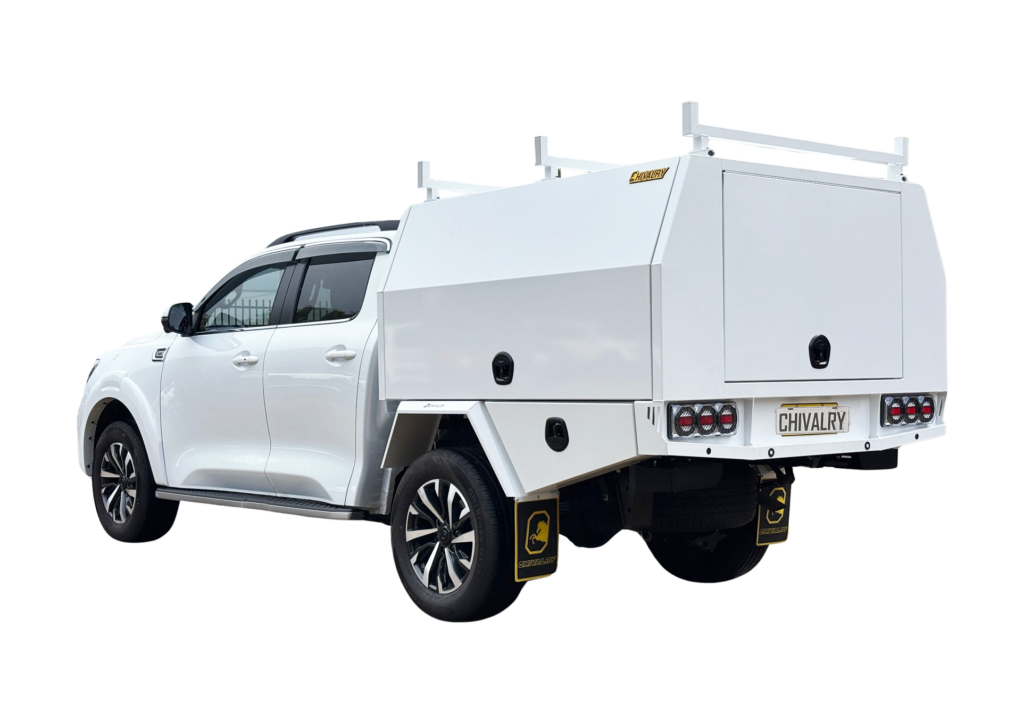
Dual cab utes are common across trade and recreational use. They usually have shorter trays, which limits canopy length options. Measurement becomes especially important here to avoid overhang or clearance issues.
Factory tray vs aftermarket tray compatibility
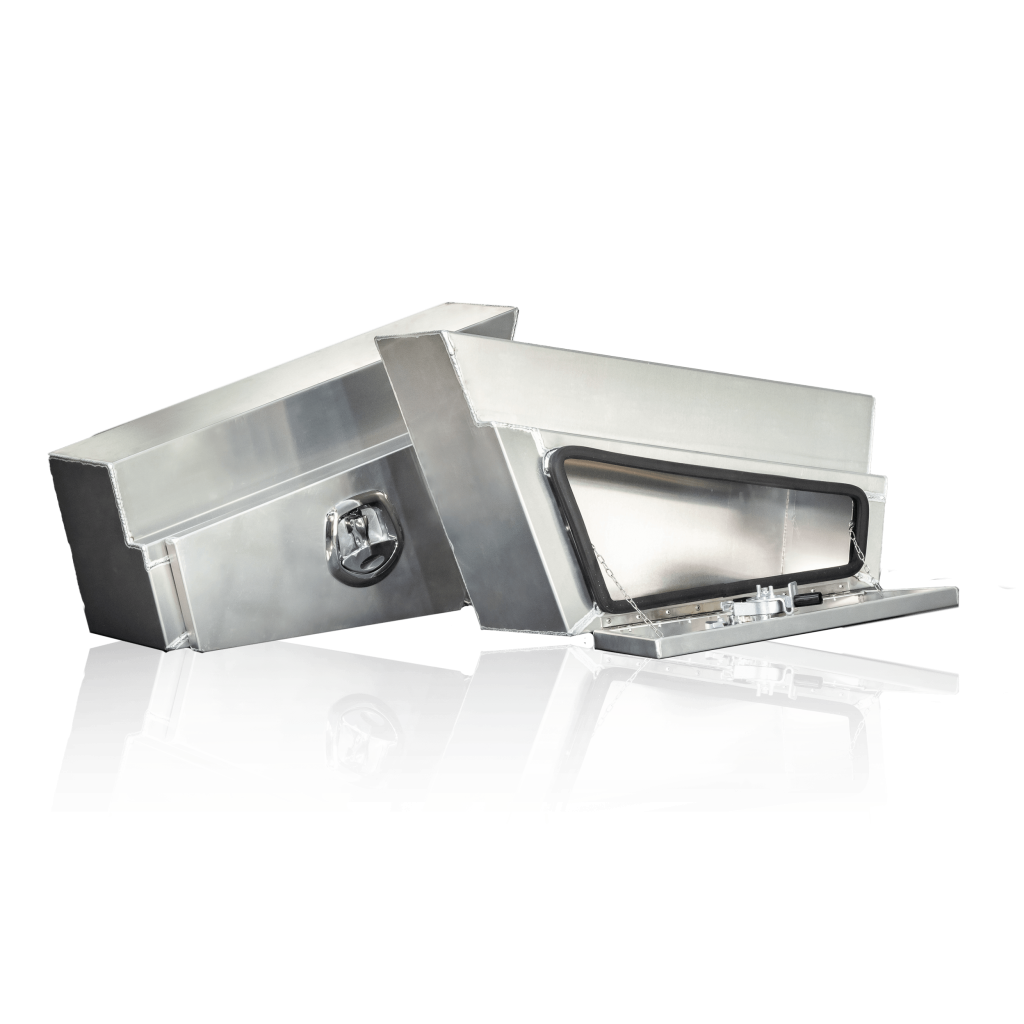
Factory trays and tubs are built to manufacturer specifications and may include features such as tapered sides, specific tie-down positions or unique headboard shapes.
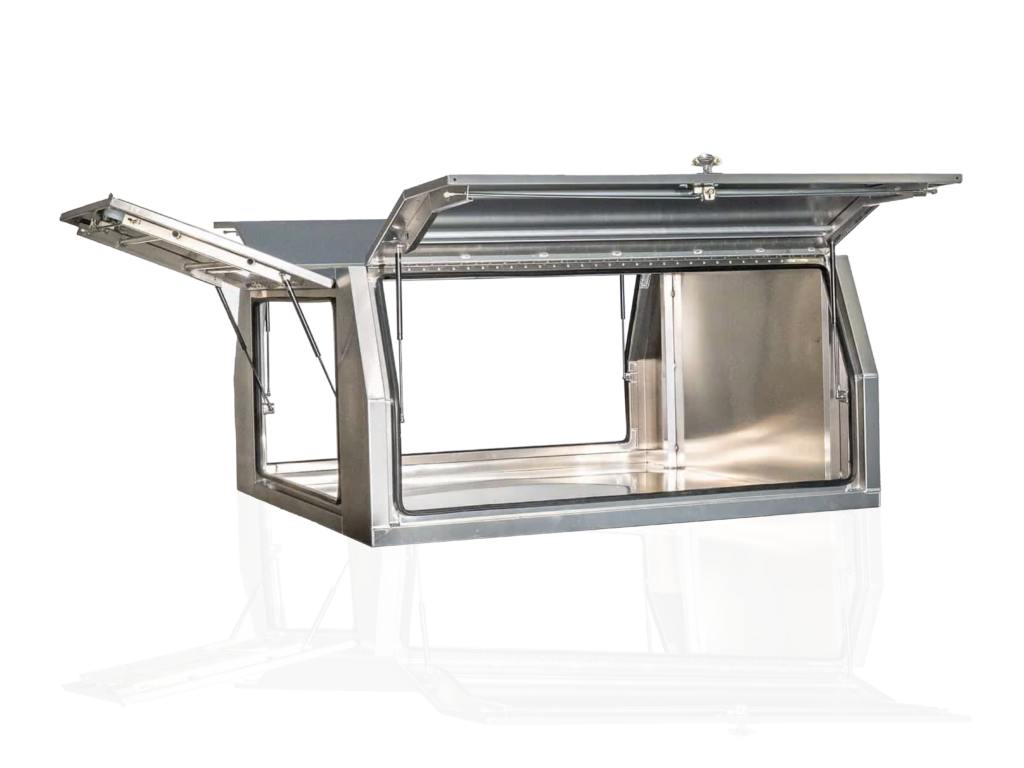
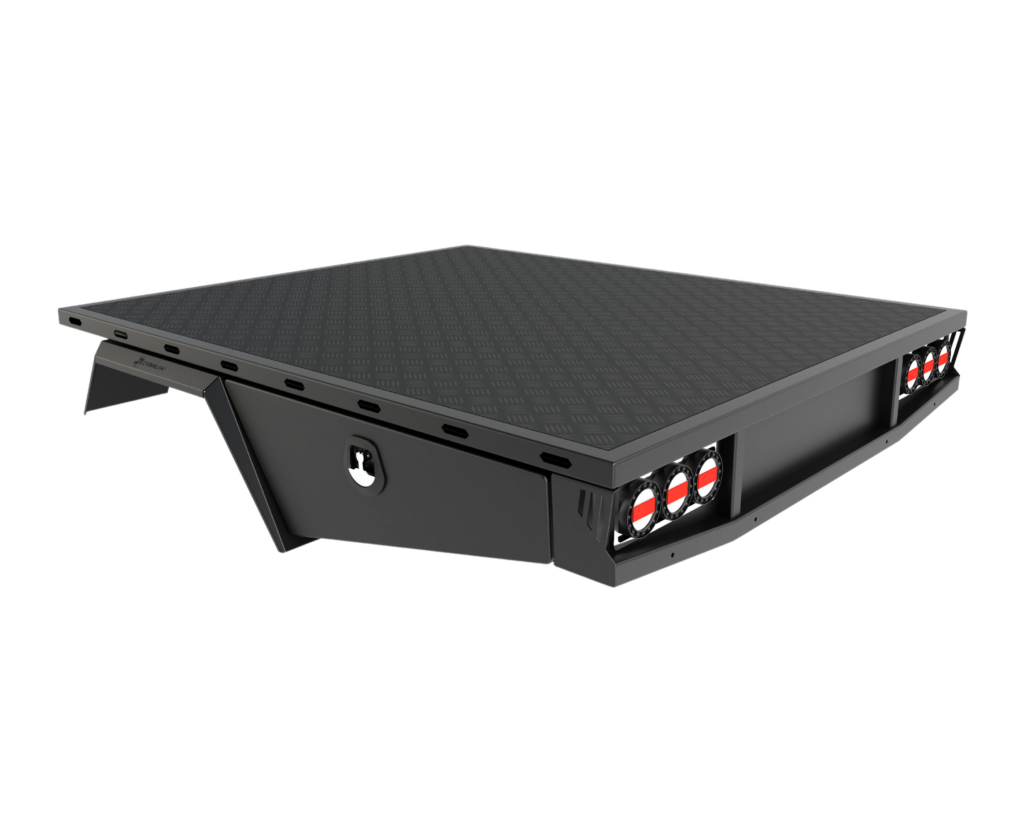
Many aftermarket trays are designed with canopy integration in mind, particularly those built for trade or touring applications. They may feature straight edges, reinforced mounting rails and flat surfaces that support even load distribution. However, not all aftermarket trays share identical dimensions.
If you are pairing a canopy with an existing tray, confirm:
- Internal length and width
- Headboard clearance
- Mounting rail design
- Tailgate and door alignment
Compatibility is strongest when the canopy and tray are designed to work together.
Measuring correctly before choosing a canopy
Compatibility begins with accurate measurement. Do not rely solely on brochure specifications or assumptions based on similar models.
Use a tape measure and confirm:
- Internal tray length from headboard to tailgate
- Internal tray width at the narrowest point
- Height of the headboard above tray floor
- Clearance between tray sides
- Flatness of mounting surface
Even small discrepancies can affect door alignment and seal performance. If your tray sides taper inward or the narrowest point differs from published specifications, compare that measurement against the canopy base width rather than relying on nominal tray dimensions.
Record your measurements and compare them directly against manufacturer canopy dimensions, recommended mounting methods and load ratings before shortlisting options. Pay particular attention to canopy base width and mounting rail position to ensure they align with the usable internal tray space rather than the tray’s external dimensions.
Mounting methods and structural considerations
Mounting style influences both flexibility and long-term durability. Here are the main methods employed:
Clamp-mounted systems
Clamp-mounted canopies attach to the tray edges without drilling into the chassis. They allow removal if needed but require correct positioning and torque to avoid movement. Always follow the canopy manufacturer’s installation guidelines or use a qualified installer to ensure mounting pressure is applied evenly.
Bolted systems
Bolted systems provide strong attachment and are common on flat trays. Installation must ensure even pressure across the base to protect seals and maintain alignment.
Chassis-mounted setups
Chassis-mounted configurations attach directly to the vehicle frame and may replace the tray entirely in purpose-built setups. They are typically used for specialised or heavy-duty builds and are less common for standard tray-canopy arrangements.
Regardless of method, ensure:
- Mounting hardware matches tray thickness
- Contact points are evenly distributed along the tray rails rather than concentrated at one end
- Seals compress consistently along all edges without visible gaps
Proper mounting protects both canopy structure and tray integrity.
Weight, load planning and roof considerations
A canopy adds base weight before any gear is loaded. Planning ahead prevents handling issues and uneven stress. Consider:
- The weight of the canopy itself
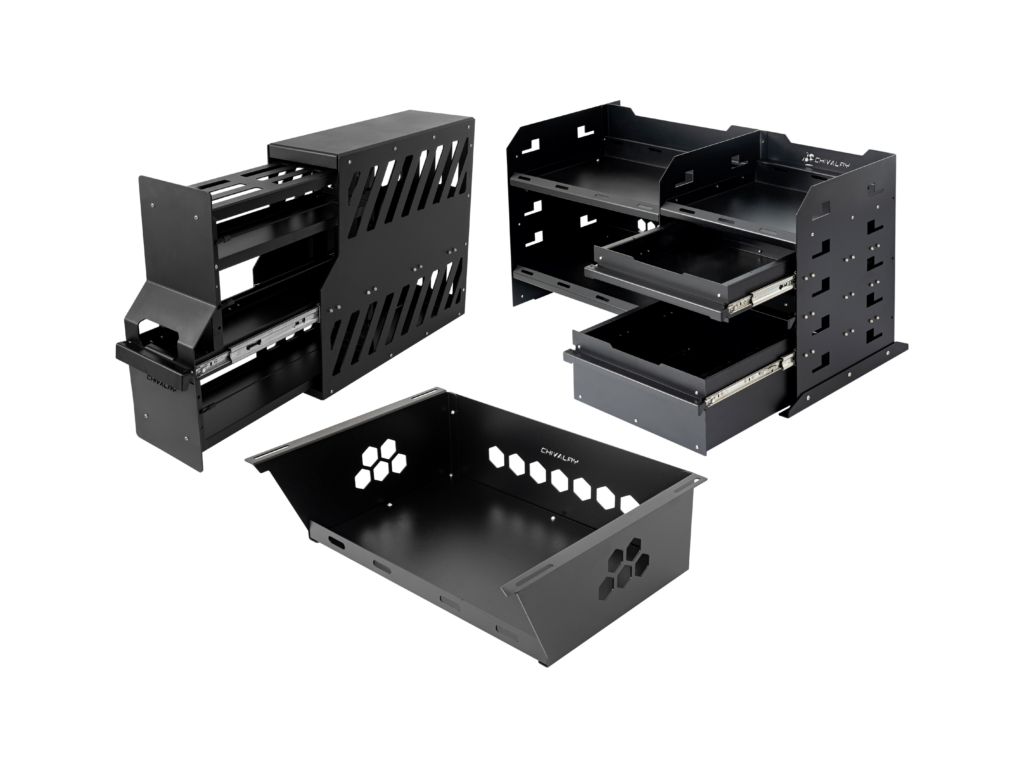
- Additional drawers, shelving or accessories
- Tools, materials or camping equipment
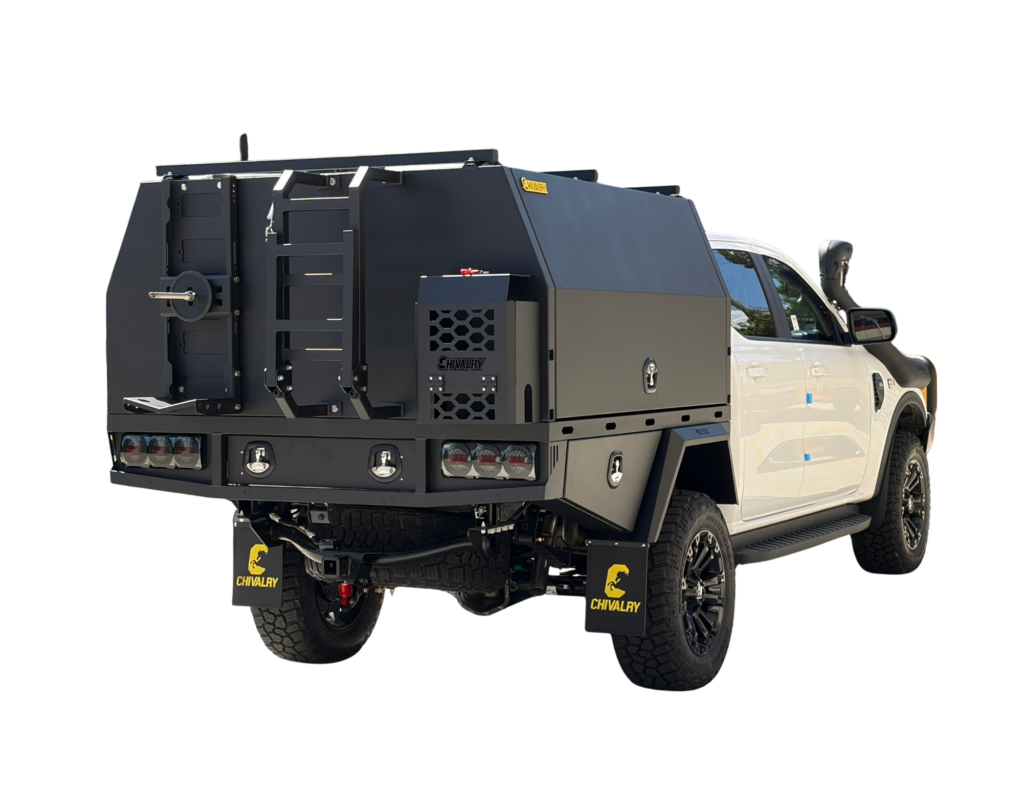
- Roof racks or rooftop tents
Weight should be kept low and evenly distributed where possible. For example, storing heavier toolboxes at floor level rather than on elevated shelving can noticeably improve vehicle stability on uneven roads.
Heavier items stored high can affect the centre of gravity. If roof storage is planned, confirm the canopy’s roof load rating and ensure the rack system and mounting points are designed to support that load safely. Ratings can vary depending on canopy design and installation. Balanced planning supports safer handling and long-term durability.
Common compatibility mistakes buyers make
Even well-intentioned buyers can overlook key details when choosing a canopy. Most compatibility issues are not caused by poor products but by assumptions made early in the process. Be aware of these common pitfalls to avoid unnecessary rework later on:
Choosing based on canopy size alone
It is easy to focus on canopy length without confirming tray specifics. Size must align with internal tray dimensions, mounting points and intended load, not just category labels.
Planning installation before confirming future needs
Some buyers select a canopy without considering future upgrades such as drawers, shelving or electrical systems. Retrofitting later can require additional mounting adjustments or structural modification. If upgrades are likely, choose a canopy designed for staged fit-outs and confirm internal mounting support before purchase.
Prioritising appearance over practicality
A canopy may look proportionate on the vehicle, but real-world use depends on access space, height clearance and storage layout. Visual fit does not always mean functional compatibility.
These issues tend to surface when buyers look for quick answers to model-specific questions. Compatibility works best when decisions are based on verified measurements and intended use rather than assumptions. This becomes especially important when buyers begin asking vehicle-specific questions.
What canopy fits my ute? Understanding general and model-specific compatibility
There is rarely a universal answer to the question, “What canopy fits my ute?” Compatibility depends on your exact tray dimensions, mounting configuration and how you intend to use the vehicle.
Two utes of the same model year can have different tray setups. One may have a factory tub, while another runs an aftermarket tray. Even small variations in internal width, headboard height or mounting rail design can influence how securely and evenly a canopy fits.
Instead of searching for a generic answer, confirm:
- Exact internal tray measurements
- Cab configuration
- Tray type, whether factory or aftermarket
- Mounting style and rail thickness
- Intended load and storage layout
Once you have these measurements and specifications, compare them directly against canopy dimensions and mounting requirements. This narrows your options quickly and reduces trial-and-error selection.
Compatibility is specific, not general. This becomes even clearer when looking at common vehicle-specific questions.
For example, buyers often ask, “What canopy fits a Great Wall dual cab ute?” The starting point remains the same. Confirm the tray type and measure the internal length and width carefully. Some Great Wall dual cab variants differ slightly in tray height or mounting arrangement compared to more common models. Avoid assuming that a canopy suited to another dual cab will align perfectly without verification.
Similarly, questions such as “What canopy fits my Ford AU ute?” usually relate to older tray designs. Earlier models can feature different internal widths, unique headboard angles or alternative mounting layouts. When fitting a canopy to an older Ford AU, careful measurement and mounting alignment are especially important to ensure even seal compression and secure installation.
Whether the vehicle is new, older or less common, the process remains consistent. Measure accurately, confirm mounting compatibility and plan the load layout before committing.
Planning for electrics and internal fit-out
Compatibility should also consider how you plan to configure the interior. If you intend to install any of the following:
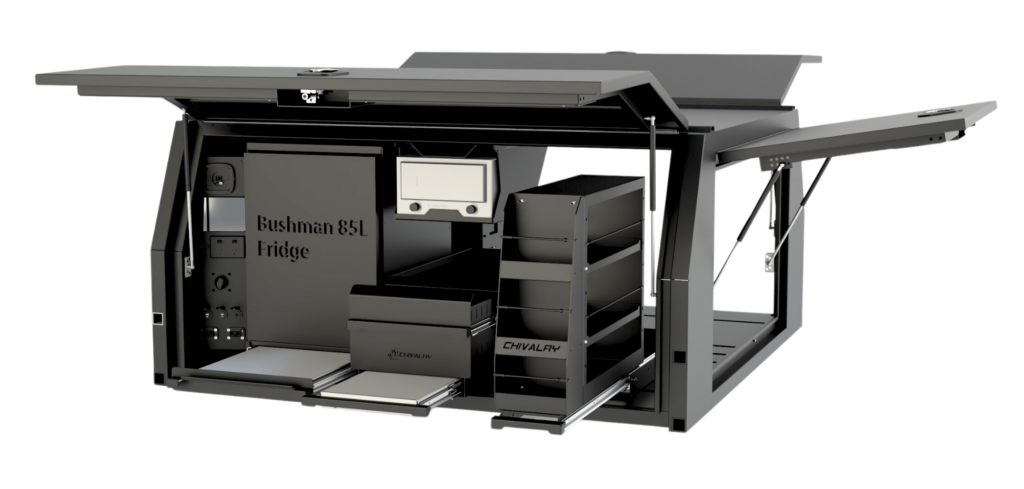
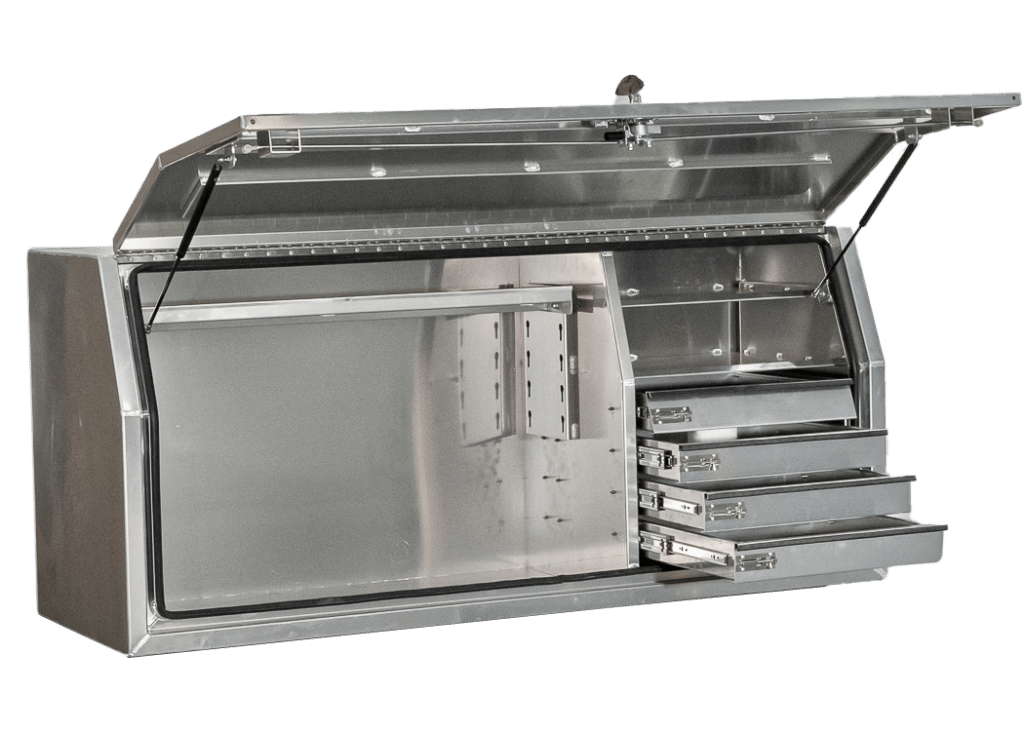
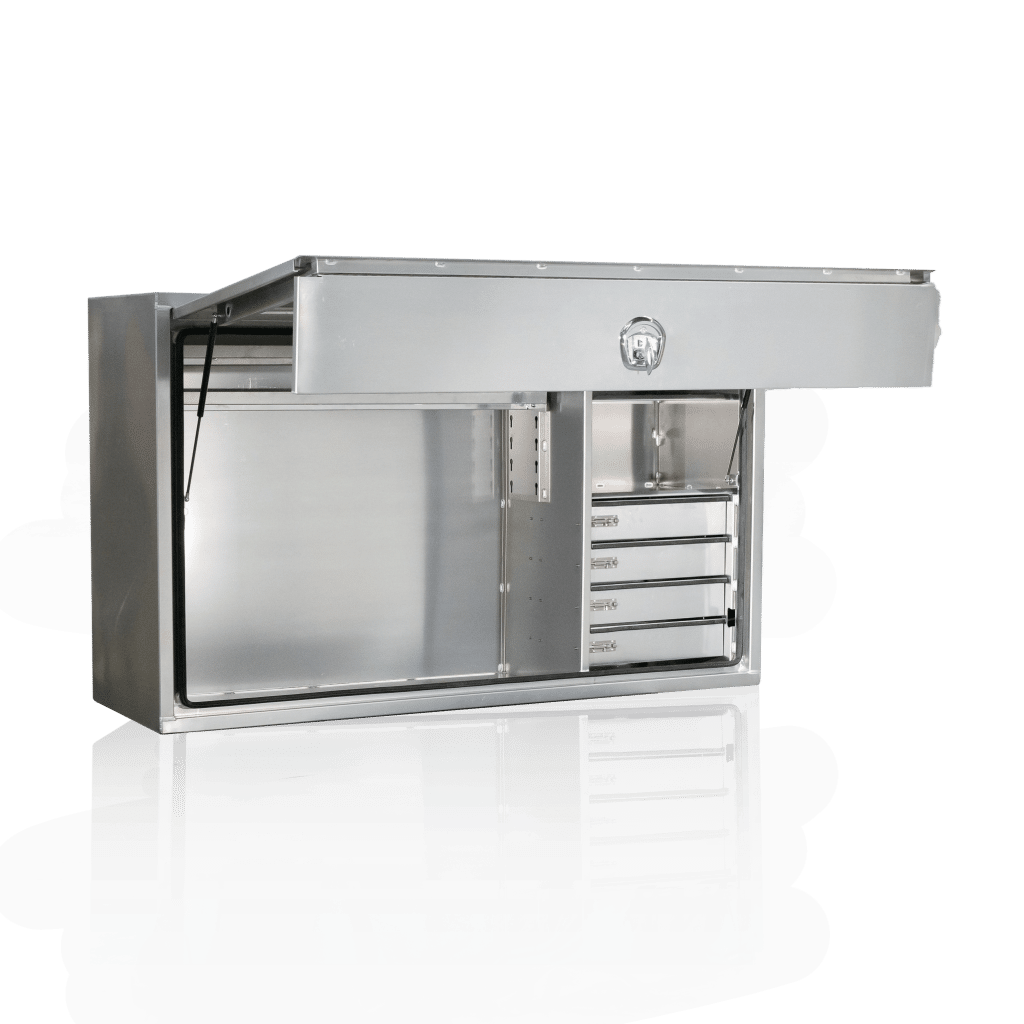
- Drawer systems
- Shelving
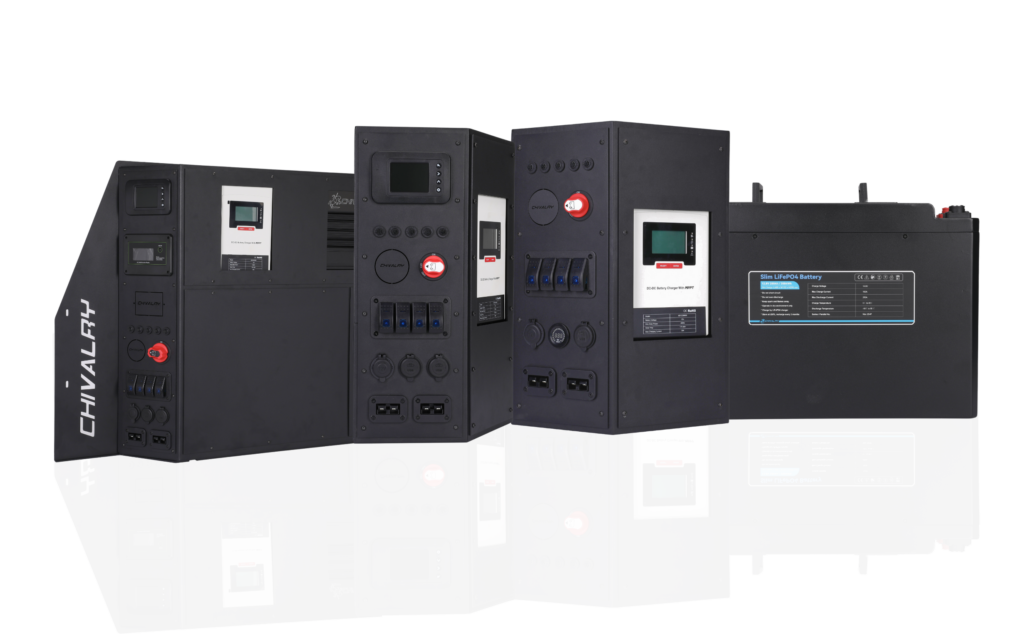
- 12V power systems
- Internal lighting
Ensure the canopy design supports mounting points and cable routing. Planning this early reduces the need for later modification.
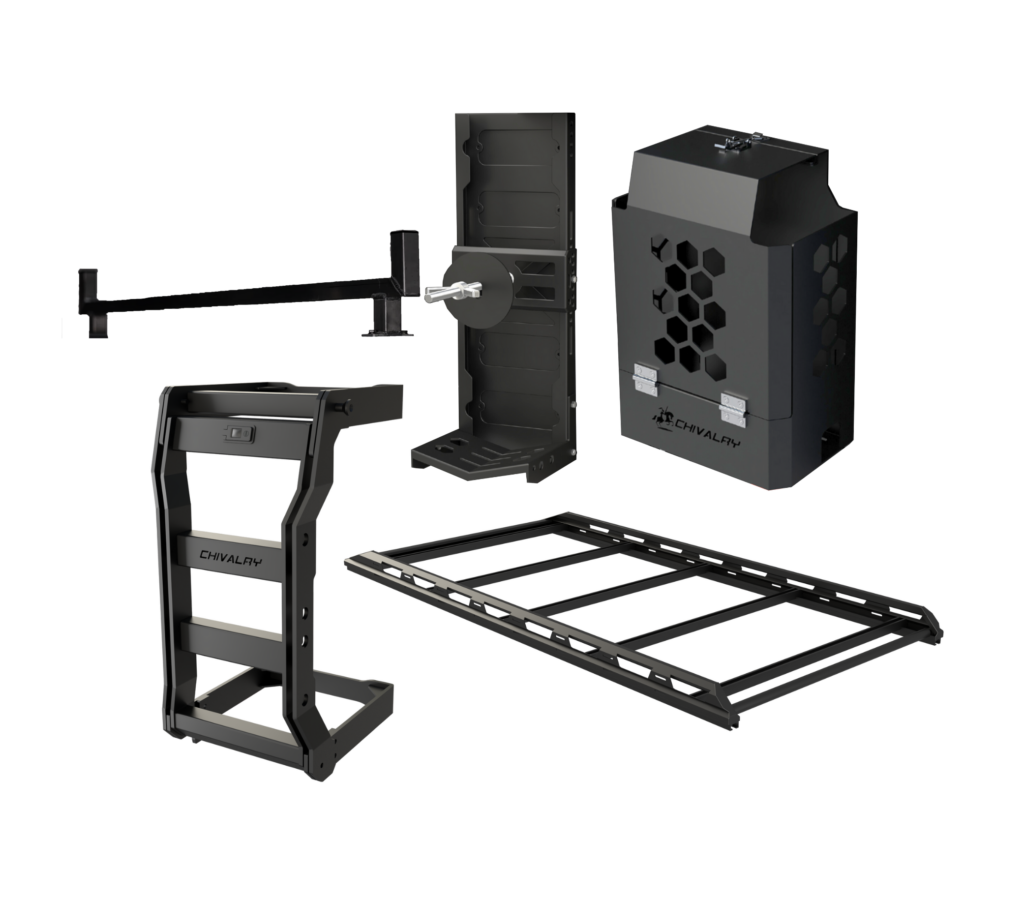
It is also useful to review the core features to look for in a ute canopy before making a final decision. Factors such as material strength, seal quality, security features and modular support all influence how well a canopy adapts to changing needs. For modular systems such as the Canopy X3, internal framework design can support staged fit-outs over time, allowing you to begin with a shell and expand as required.
Ute and canopy compatibility checklist before you commit
Before committing to a canopy, ask yourself the following:
- Have I measured the exact internal length and width of my tray?
- Have I confirmed the height of the headboard and tailgate alignment?
- Do I know whether my ute is a single, extra or dual cab configuration?
- Is my tray factory-fitted or aftermarket, and have I confirmed its exact dimensions?
- Have I checked that the mounting method matches my tray design?
- Does the canopy weight, combined with my intended load, remain within my vehicle’s payload rating?
- Have I planned where heavier items will sit to maintain balanced weight distribution?
- If I intend to use roof racks or a rooftop tent, have I confirmed the roof load rating?
- Will the canopy seals sit evenly against the tray edges to maintain dust and water resistance?
- Have I considered future upgrades such as drawers, shelving or electrical systems?
If you cannot confidently answer each of these questions, it is worth clarifying the details before proceeding. Compatibility is far easier to confirm at the planning stage than to correct after installation.
Plan your canopy installation with L&G Chivalry
Choosing the right canopy is about more than size alone. It requires accurate measurement, clear load planning and mounting systems that align properly with your tray configuration.
At L&G Chivalry, we design aluminium ute canopies, trays and modular storage systems with compatibility in mind. Our solutions are developed to support secure mounting, effective sealing and flexible internal layouts suited to both trade and touring use.
If you are assessing compatibility for your ute and would like practical guidance tailored to your tray, load and intended use, speak with the L&G Chivalry team in Sydney, Melbourne or Perth. A measured approach helps ensure your canopy performs reliably from day one and continues to support your work or travel plans over time.