For field service technicians, a ute is a mobile workshop, parts store and service hub that needs to perform reliably across multiple jobs each day. When tools, parts and equipment are easy to access, repairs are faster, call-outs run smoother and downtime is reduced.
This guide breaks down what an effective field service ute setup needs to achieve, explores practical storage solutions and outlines how to configure a ute that supports on-the-go repairs across changing tasks and locations.
What a field service ute setup needs to achieve
Field service work is varied by nature. One call-out may involve fault-finding with test equipment, while the next requires replacing components, installing parts or completing preventative maintenance on site. A field service ute setup for technicians must support this variety without constant reorganisation.
At a practical level, most technicians rely on their ute to deliver the following core functions:
Fast access during call-outs
Service work often runs on tight schedules. Technicians need to open the canopy, reach the right tools and get started without unpacking half the vehicle. Storage must be predictable, logical and easy to maintain.
Flexibility for changing loads
Daily loads can change quickly. One day may require spare parts, test equipment and hand tools. The next may involve heavier components, replacement units or consumables. A well-planned ute setup for field service technicians adapts to both without compromising access or safety.
Reliable mobile power
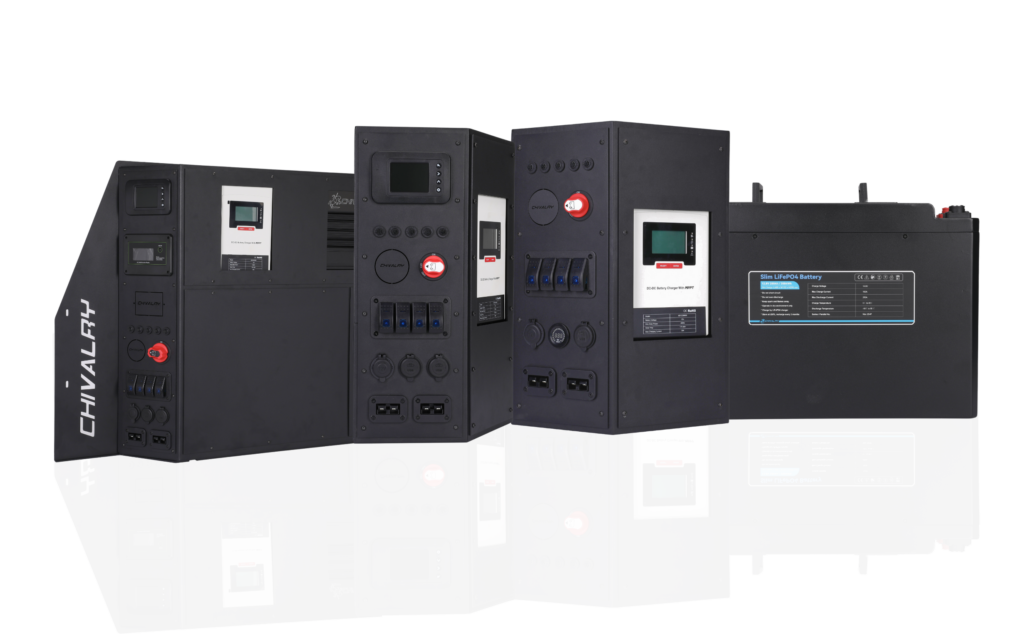
Modern field service relies heavily on battery-powered tools, testing devices and mobile technology. Charging capability inside the ute helps technicians stay productive between back-to-back call-outs, keeping tools, test equipment and devices ready without returning to base or relying on site power.
Protection and security
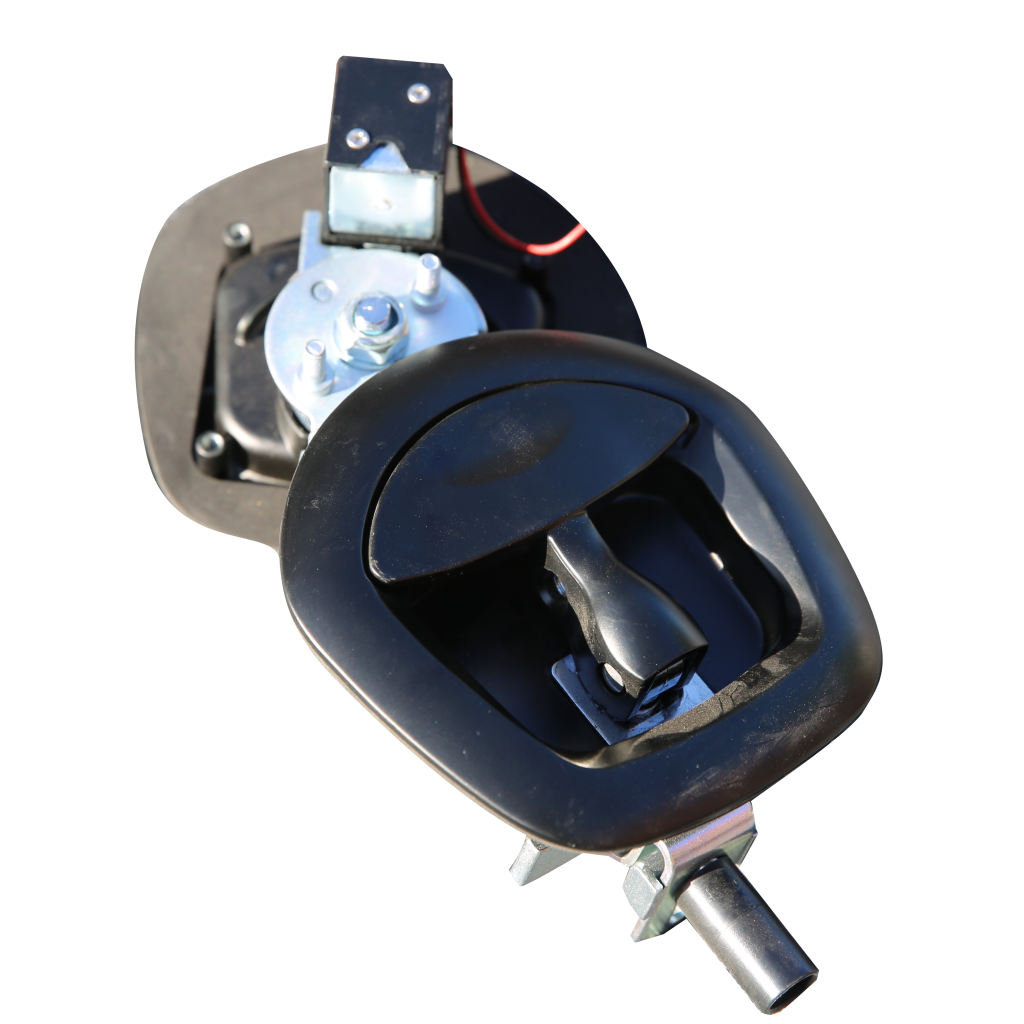
Tools, diagnostic equipment and parts are often high value and sensitive to dust or moisture. Secure, weather-resistant storage protects equipment and keeps it ready for use throughout the workday.
Choosing the right canopy or tray foundation
The base configuration of a ute shapes how everything else works. For field service roles, the choice between a canopy, tray or hybrid setup should reflect the balance between storage, access and load capacity. Consider the options below:
Canopy-based setups
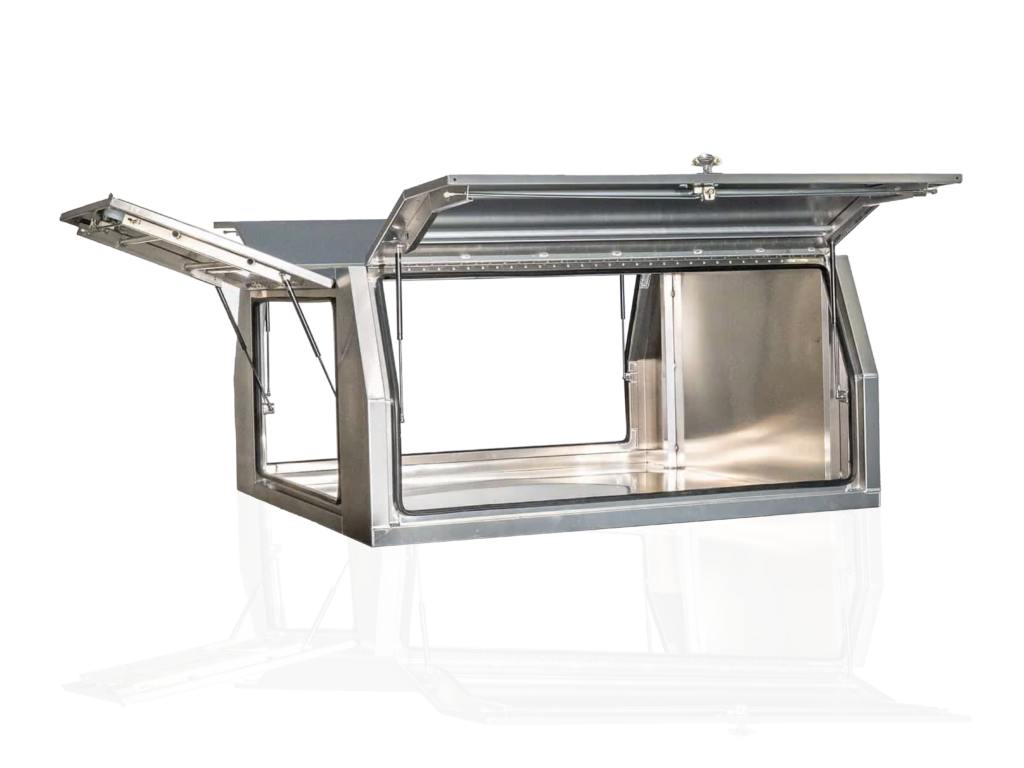
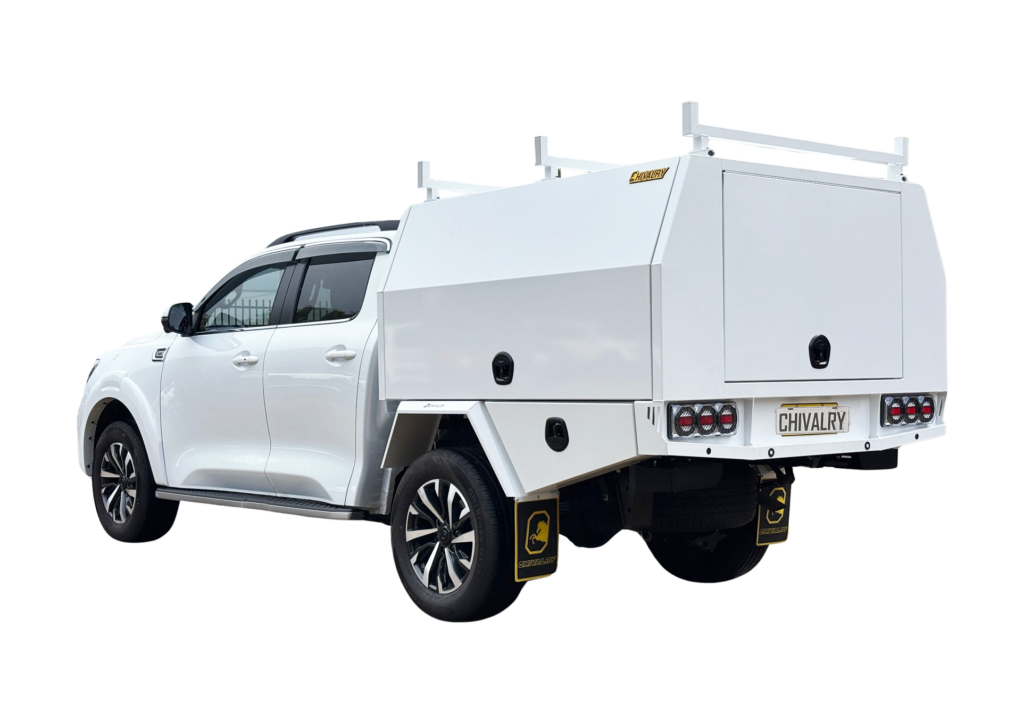
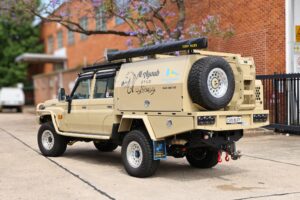
A canopy is a popular option for field service technicians who need enclosed storage. It allows for structured internal layouts and keeps tools protected from dust and weather.
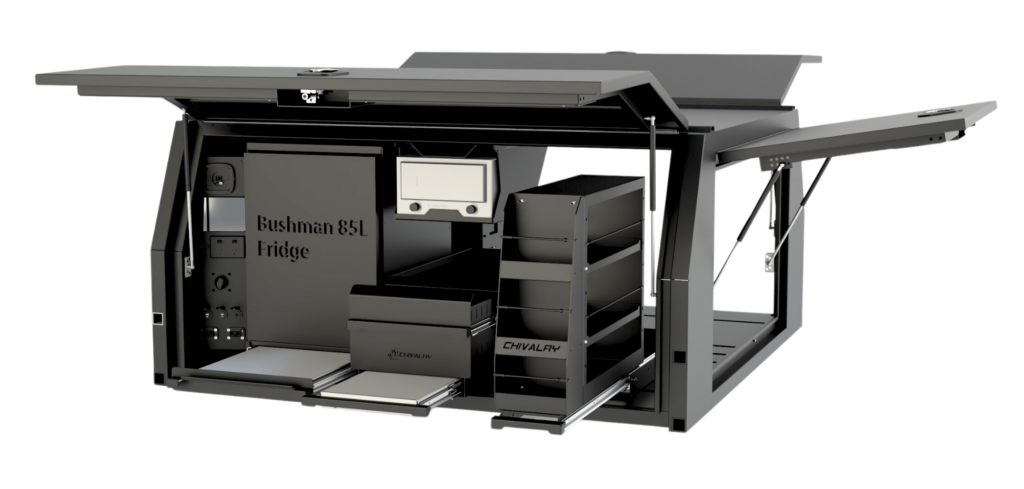
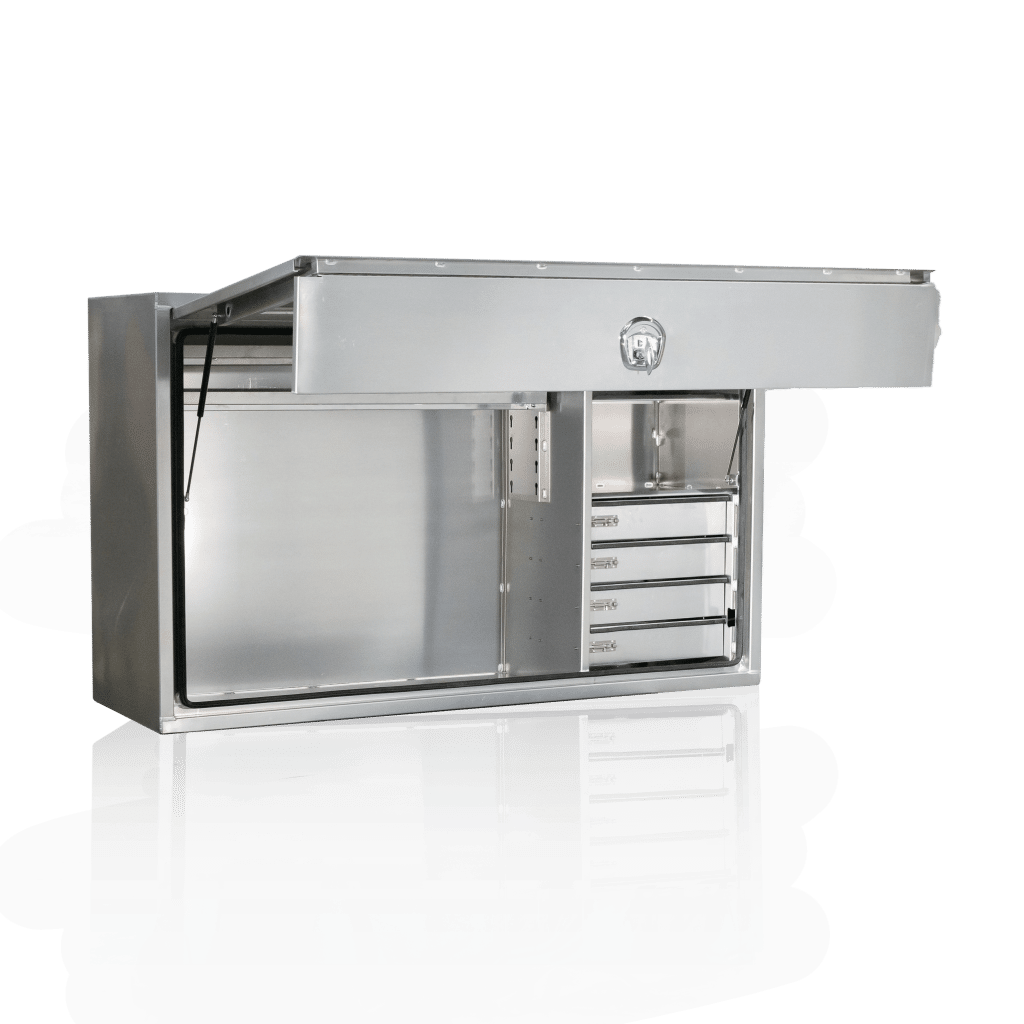
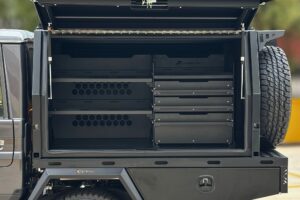
Inside a canopy, drawers, shelving and mounting systems can be arranged into clear zones for tools, parts and testing equipment. This makes it easier to maintain order across busy schedules and varied job types.
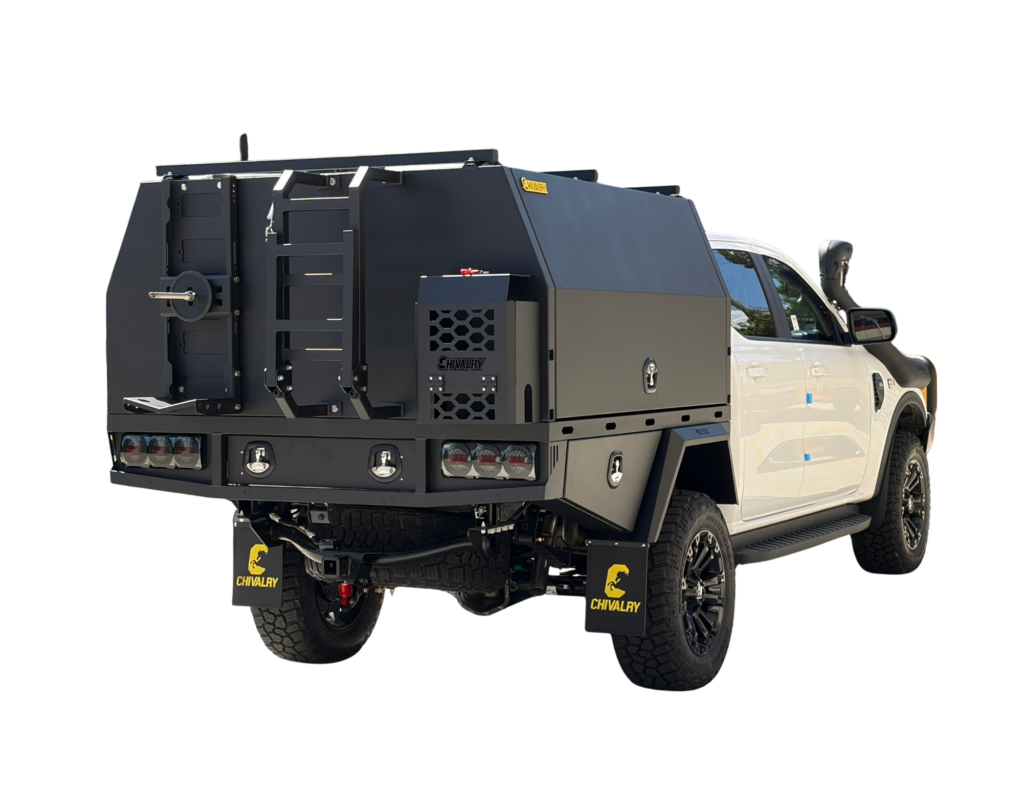
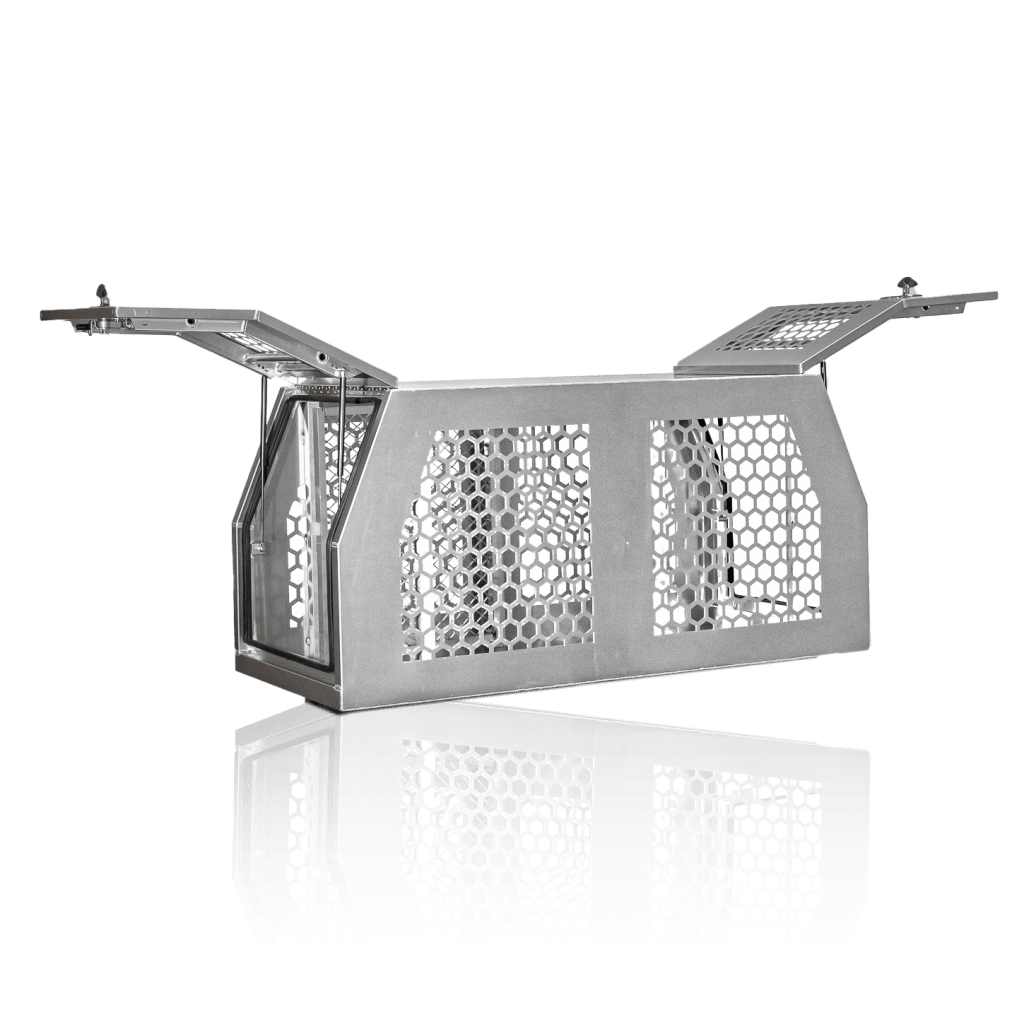
A modular canopy such as the Canopy X3 offers additional internal support for mounting drawers, toolboxes and power systems securely. This is particularly useful for technicians carrying heavier diagnostic equipment, multiple drawer systems or integrated power setups that need secure mounting in a mobile service environment.
Tray-based setups
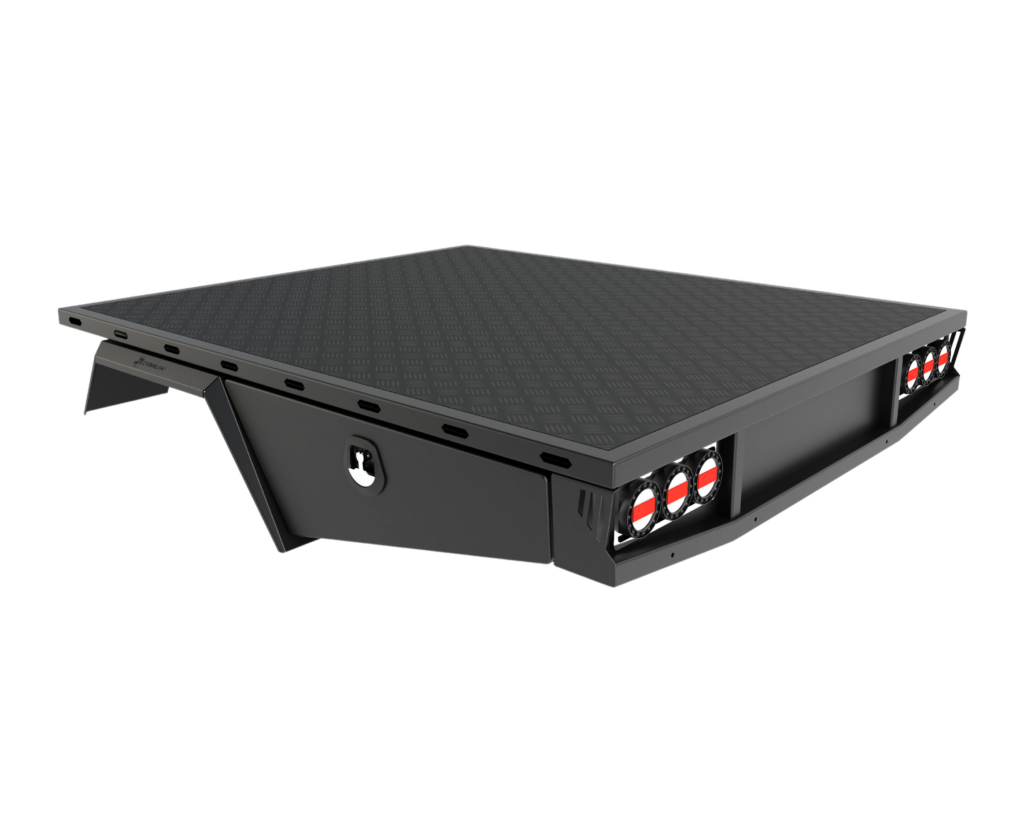
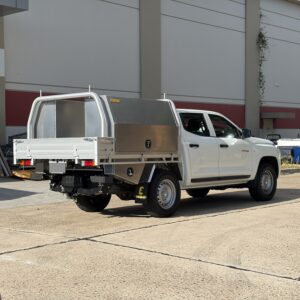
An open tray suits technicians who regularly carry bulky or oversized components. It provides flexibility for loading and unloading but requires additional planning to maintain organisation.
Under-tray toolboxes or modular storage units can be added to keep essential tools secure while leaving tray space free for materials or replacement parts.
Hybrid setups
Many field service technicians benefit from a hybrid approach. Part of the tray is enclosed with a canopy for tools and equipment, while the remaining space is left open for larger items. This setup works well for technicians who move between scheduled service calls, urgent repairs and occasional installation or replacement work without knowing exactly what each day will require.
Building structured storage for tools and parts
Efficient storage reduces wasted time and keeps repairs moving by ensuring tools, spare parts and diagnostic equipment are always easy to locate during call-outs. Without clear organisation, tools and parts quickly become mixed together, leading to frustration and delays on site. A practical field service ute setup for technicians typically relies on a combination of drawers, toolboxes and modular storage, arranged around how the technician actually works.
In field service work, the biggest inefficiency is not missing tools, but missing the right part at the right time. Many technicians structure their storage around a small set of high-use spare parts that resolve the majority of call-outs. Keeping these parts in clearly defined, fast-access zones reduces return visits and avoids the need to revisit sites due to incomplete repairs.
Before installing components, it helps to think in terms of the following functional zones:
Drawers for tools and consumables
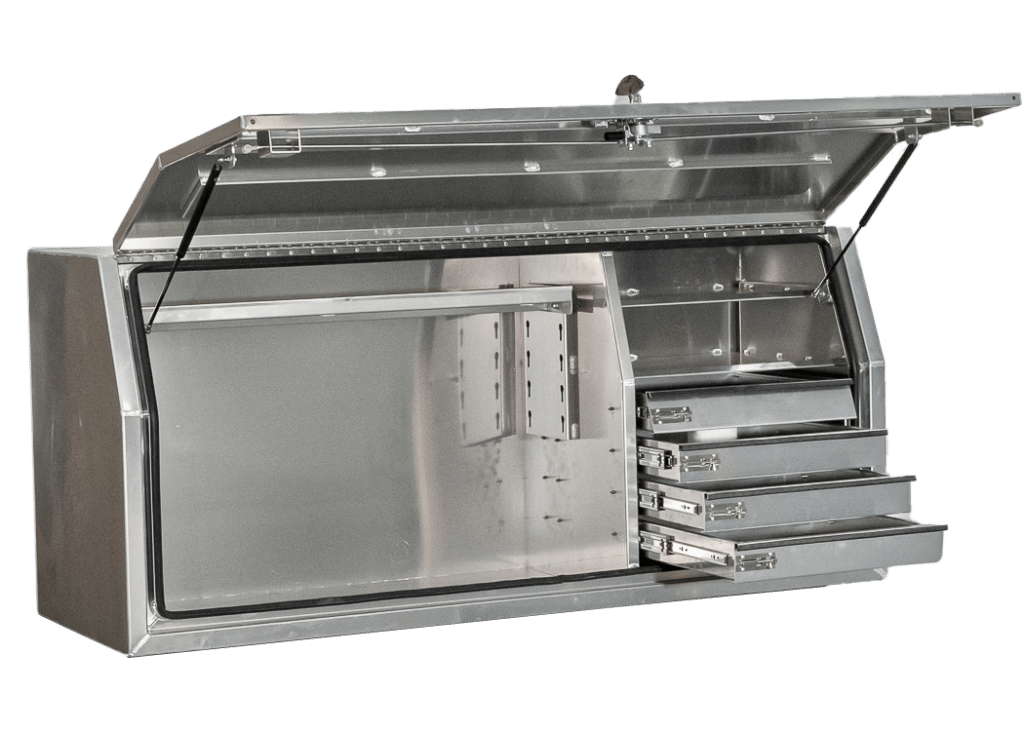
Drawer systems are ideal for organising smaller tools, fittings and consumables. Shallow drawers work well for fasteners, connectors and hand tools, while deeper drawers can house drills, testers and power tools.
Grouping drawers by task rather than tool type helps maintain consistency. For example:
- One drawer for diagnostic and testing equipment
- One for hand tools used on every job
- One for commonly used spare parts
- One for safety gear and PPE
Clear labelling makes it easier to keep drawers organised over time.
Toolboxes for larger or less frequent items
Toolboxes provide secure storage for equipment that does not need daily access. Side-opening toolboxes allow quick access without climbing onto the tray, while under-tray toolboxes keep heavier or dirtier items separate from main storage.
Toolboxes are ideal for:
- Extension leads and reels
- Backup tools
- Larger testing devices
- Parts used less frequently
Modular storage for adaptability
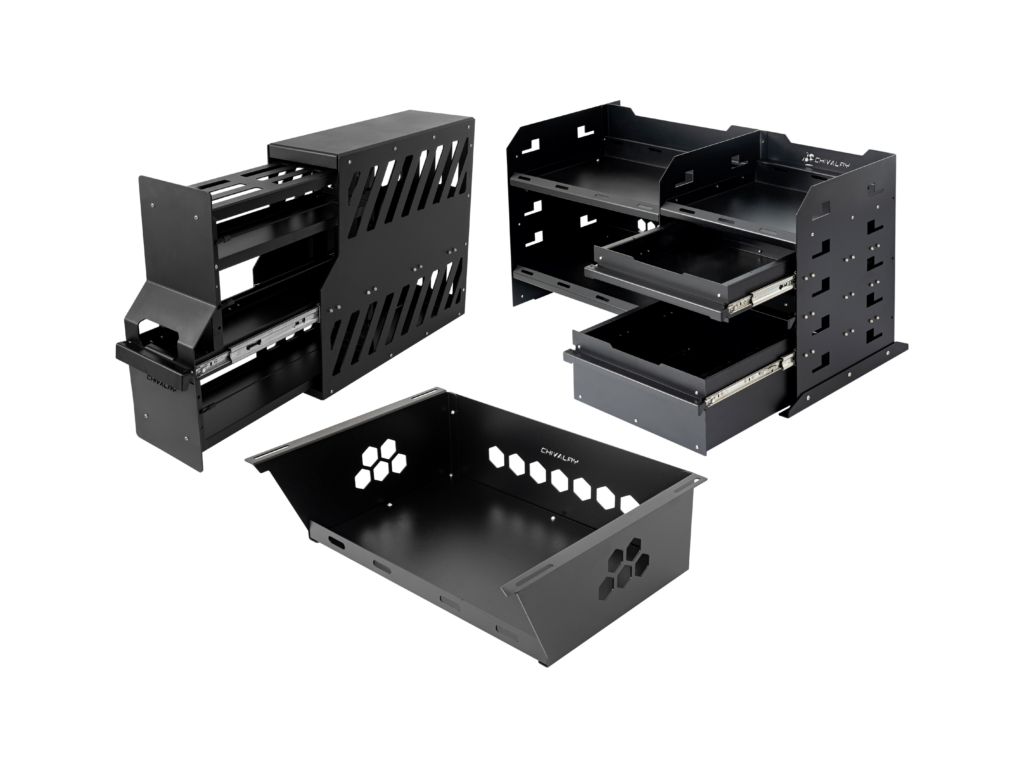
Modular tubs, dividers and adjustable shelving give technicians the ability to reconfigure storage as job requirements change. This flexibility is valuable for field service roles where equipment and parts lists evolve over time.
Common mistakes to avoid in field service ute setups
Avoiding these issues early helps build a setup that stays effective long term:
- Overloading the canopy — Heavy drawers, tools and batteries add up quickly. Too much weight affects handling and wear. Keep heavier items low and avoid installing storage you do not need every day.
- Over-reliance on open storage — Large open spaces lead to shifting tools, mixed parts and slower access during time-sensitive service call-outs.
- Poor power planning that leads to flat batteries — Battery-powered tools and devices need consistent charging. Without a planned power solution, downtime and repeat visits become more likely.
- Storing daily tools too far from access points — Frequently used tools should be easy to reach from the canopy doors. Poor placement wastes time on every job.
Thoughtful planning reduces the need for constant adjustments and keeps the setup working as intended.
Build a field service ute setup that supports daily repairs with L&G Chivalry
A reliable field service ute setup is built around organisation, durability and access that reflects how technicians actually work, moving between sites, managing parts on the fly and resolving issues without workshop support. When a ute is set up correctly, technicians arrive on site prepared, complete repairs with fewer interruptions and reduce the risk of return visits caused by missing tools or equipment.
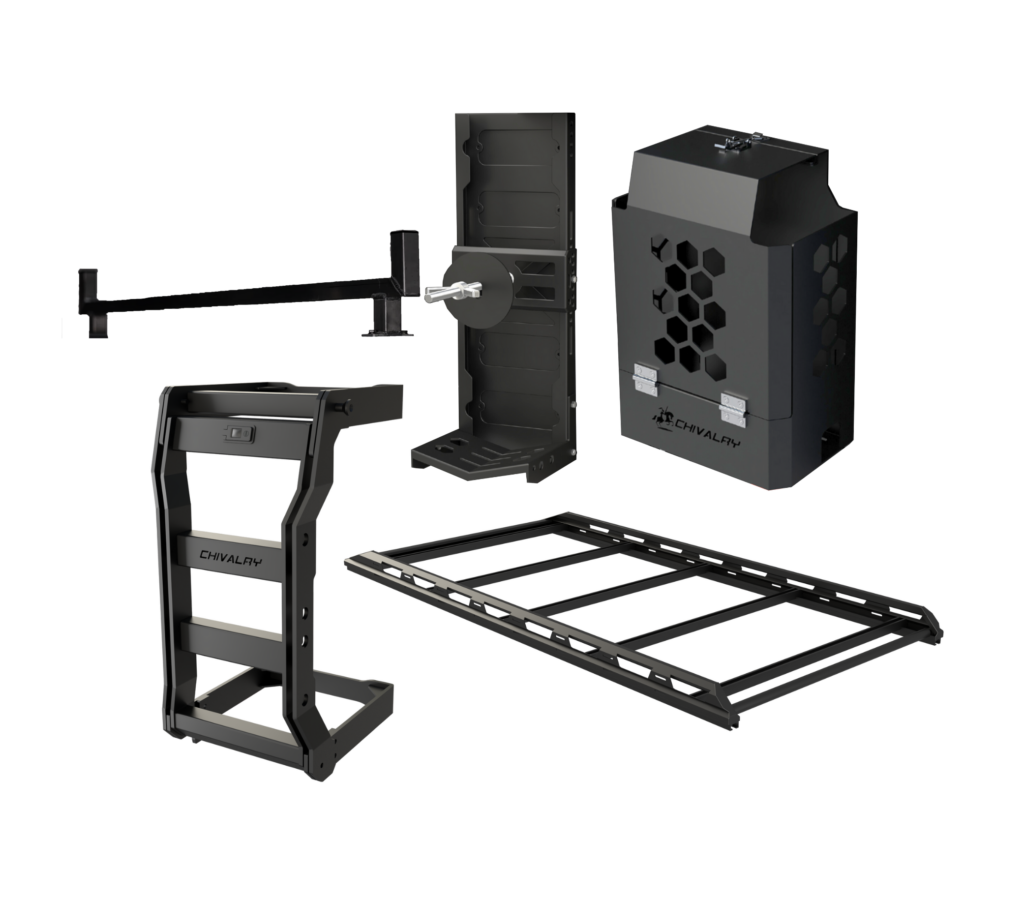
At L&G Chivalry, we design and manufacture aluminium ute canopies, trays, toolboxes and storage systems suited to demanding field service environments. Our modular canopy solutions, including the Canopy X3, are built to support drawer systems, onboard power setups and organised internal layouts that help technicians manage tools, parts and equipment with confidence.
If you are planning a field service ute setup for technicians and need a solution that balances secure storage, flexible load handling and practical access for on-the-go repairs, speak with the L&G Chivalry team. We can help you configure a setup that suits your workflow, equipment and the realities of field service work.