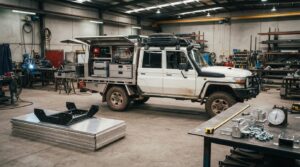
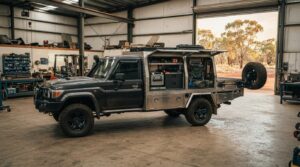
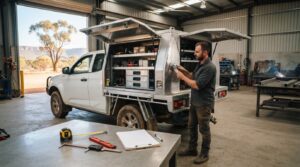
The right ute tray and canopy combo isn’t necessarily the one with the most storage. It’s the setup that carries your gear without getting in the way of the job. Matching a combo to your ute, cab configuration and regular load takes more than choosing a canopy size.
Before deciding, weigh up fitment, payload and access. A tray and canopy add weight before you load tools, camping gear or passengers, and a storage layout that works for one task can leave too little usable tray space for another. Aim for a balanced load-carrying system, not simply a bigger box on the back.
This guide will help you plan a practical setup around your vehicle and regular work or touring needs. You’ll learn what to consider when matching a combo to your ute, organising storage and keeping load distribution in view, including the effect of fitted equipment on available payload.
You’ll also find a checklist to use before comparing product options. It can help you clarify what needs to fit, where it needs to go and how you’ll use the vehicle.
Key Takeaways
- Think of the tray and canopy as one working setup: enclosed storage and usable tray space need to suit the same tasks.
- Choose a ute tray and canopy combo around your vehicle, cab configuration and regular gear, not storage capacity alone.
- Separate payload from tray capacity, then account for passengers, accessories and cargo when planning your load.
- Compare an integrated combo with separately selected parts to weigh coordinated planning against specific layout preferences.
- Use a practical checklist to narrow your setup, then explore Chivalry’s X1 and X3 canopy series or tailored fabrication options.
What a ute tray and canopy combo does for work and touring
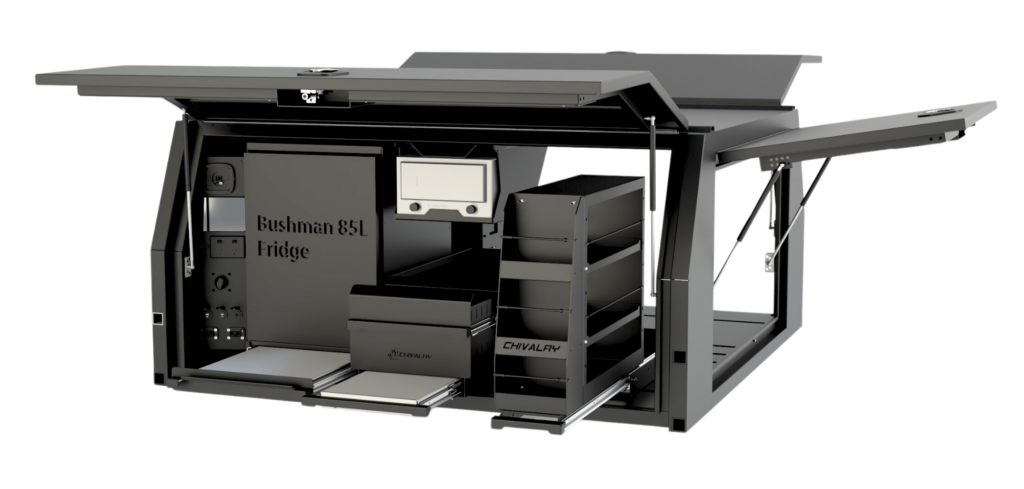
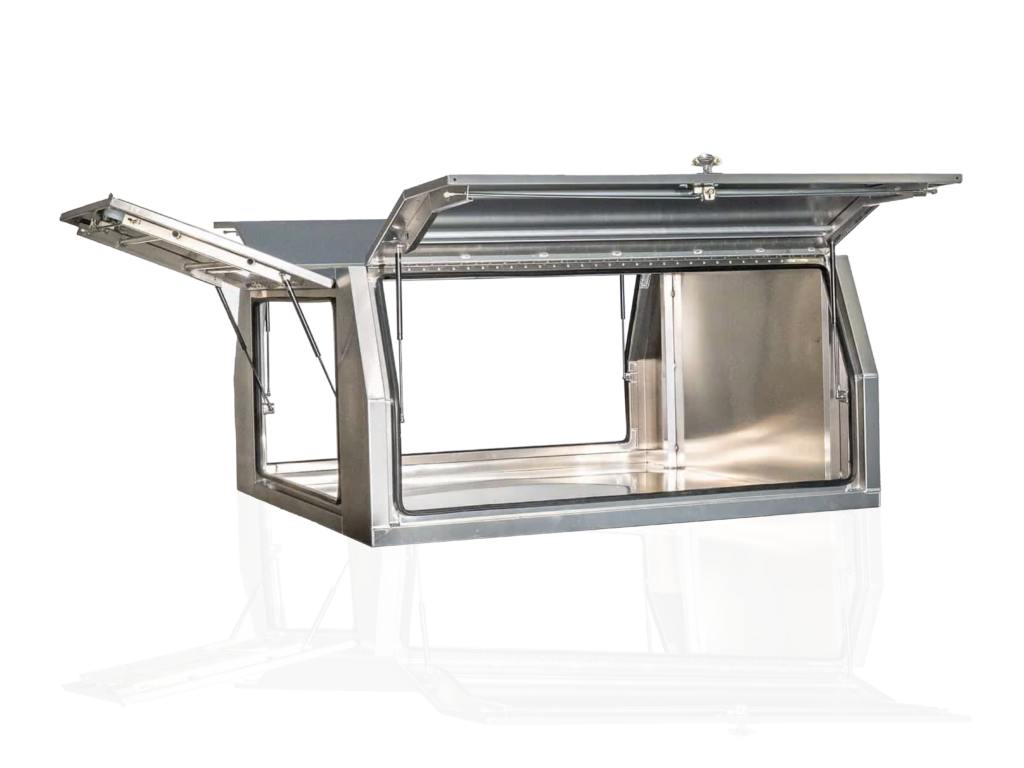
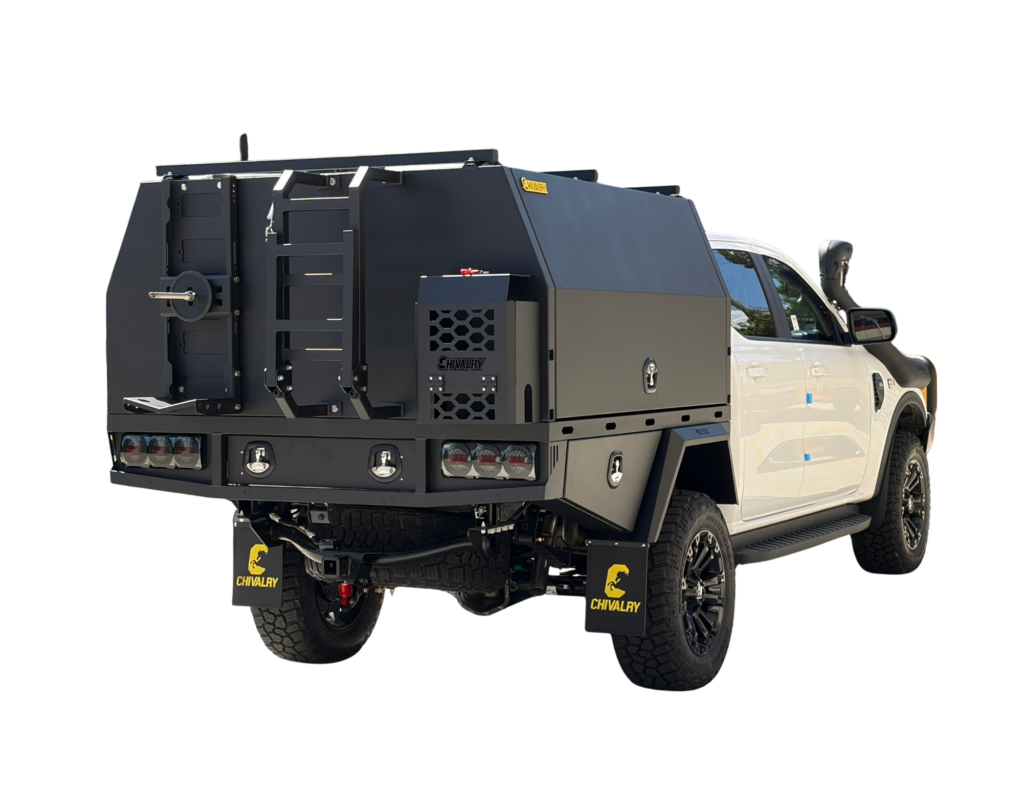
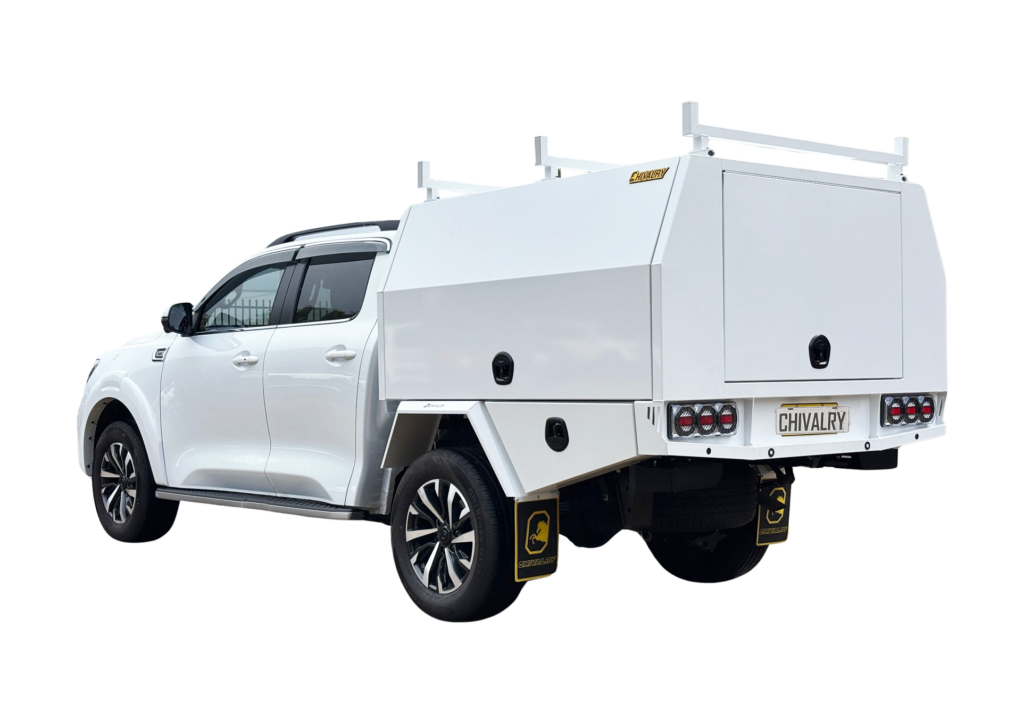
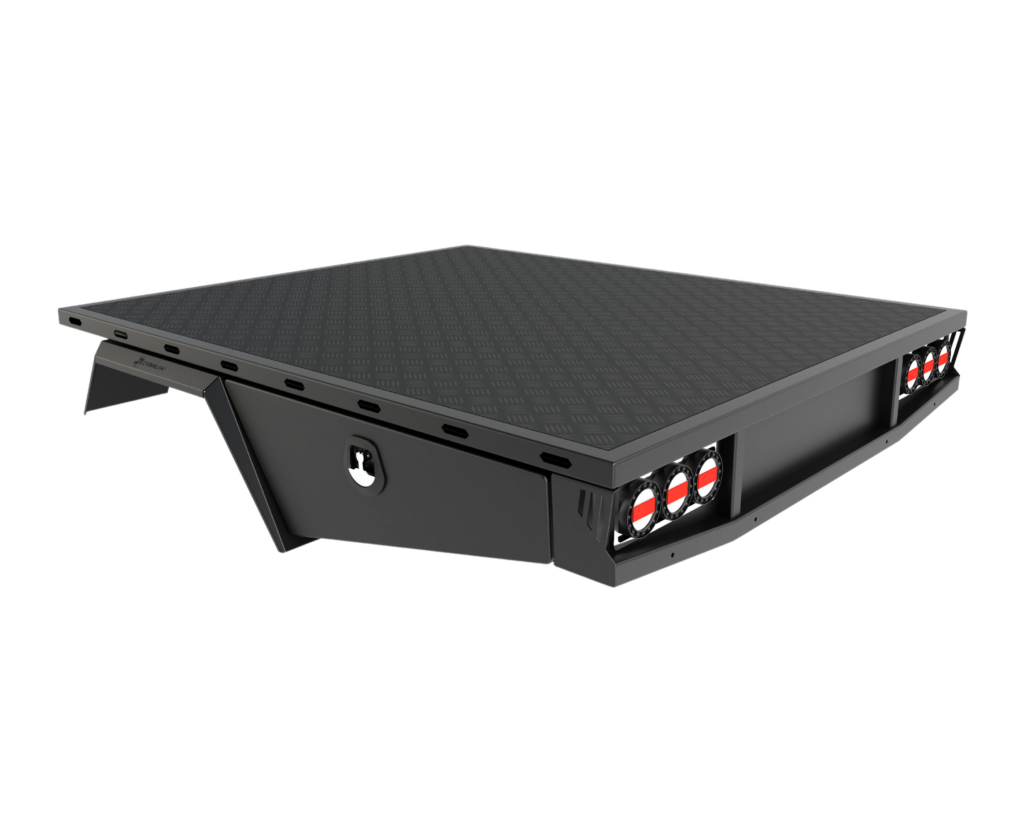
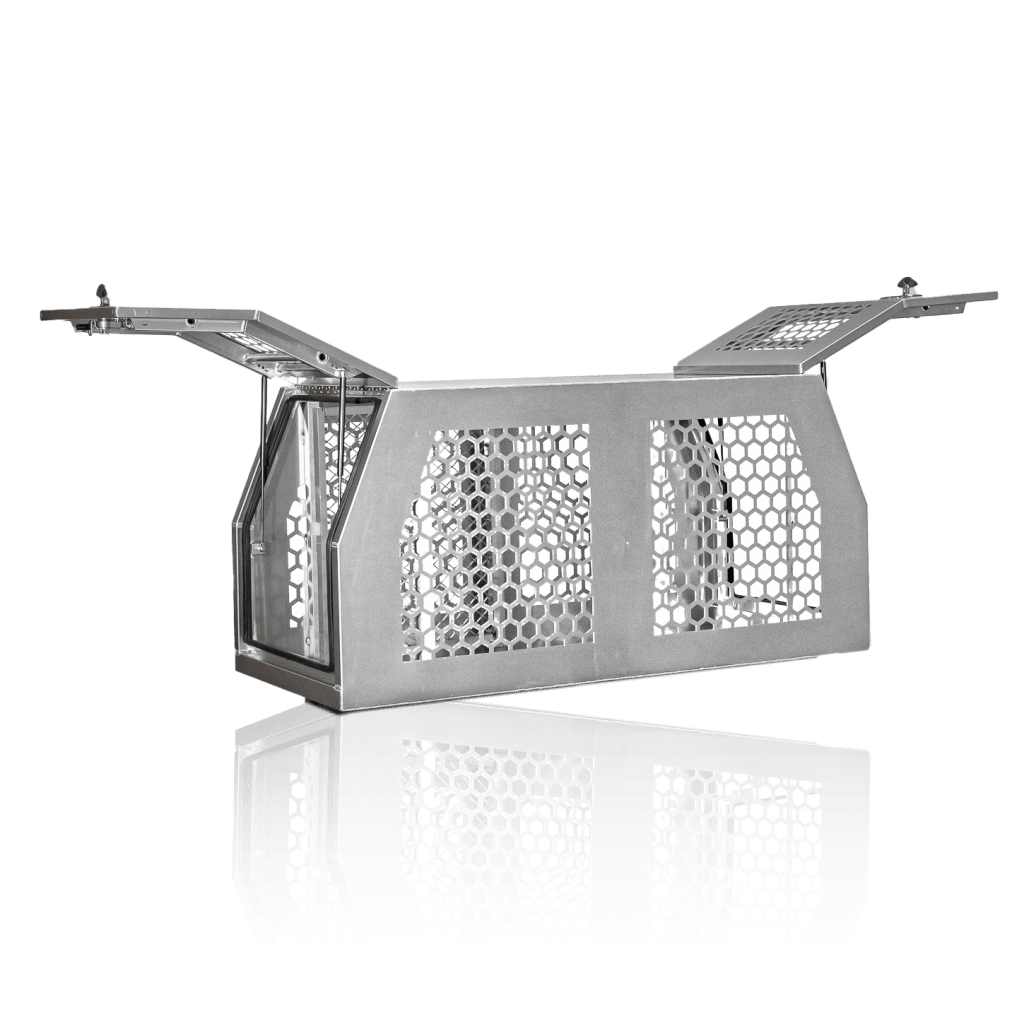
A ute tray and canopy combo brings together a carrying platform and enclosed storage. The tray supports cargo, while the canopy provides space for tools, equipment or touring essentials. Planning the two together helps you organise enclosed gear while keeping useful tray space available for loads that do not belong inside the canopy.
This differs from a factory tub, the formed cargo area supplied with many utes, or a canopy fitted to a tray you already own. A canopy added to an existing tray encloses part of that platform; a combo brings tray and canopy planning together. If you’re new to the term, Wikipedia offers background on what is a ute and how the name is used in Australia.
What is included in a tray and canopy setup?
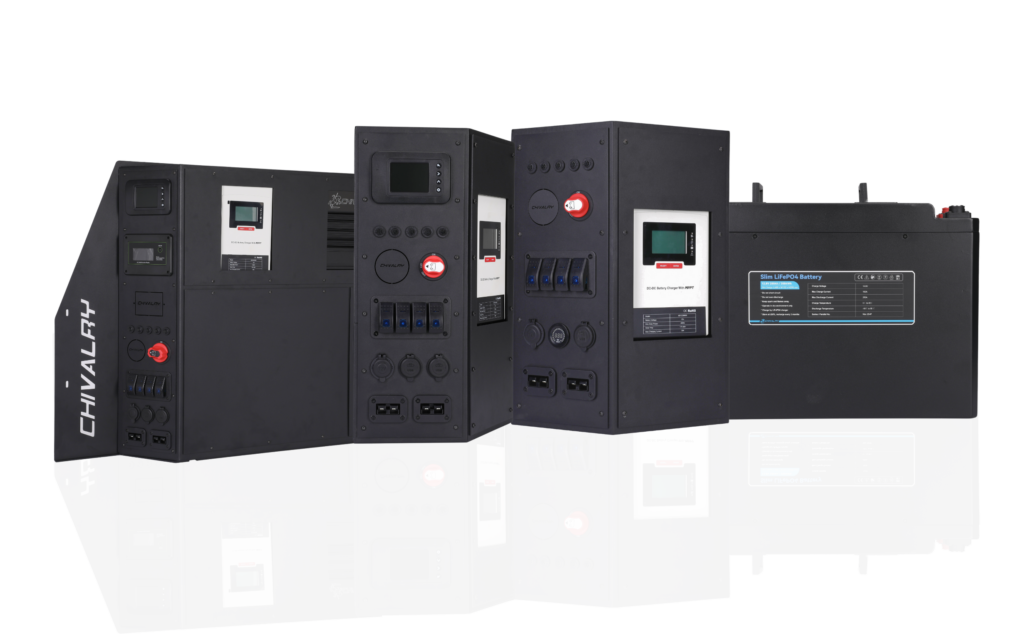
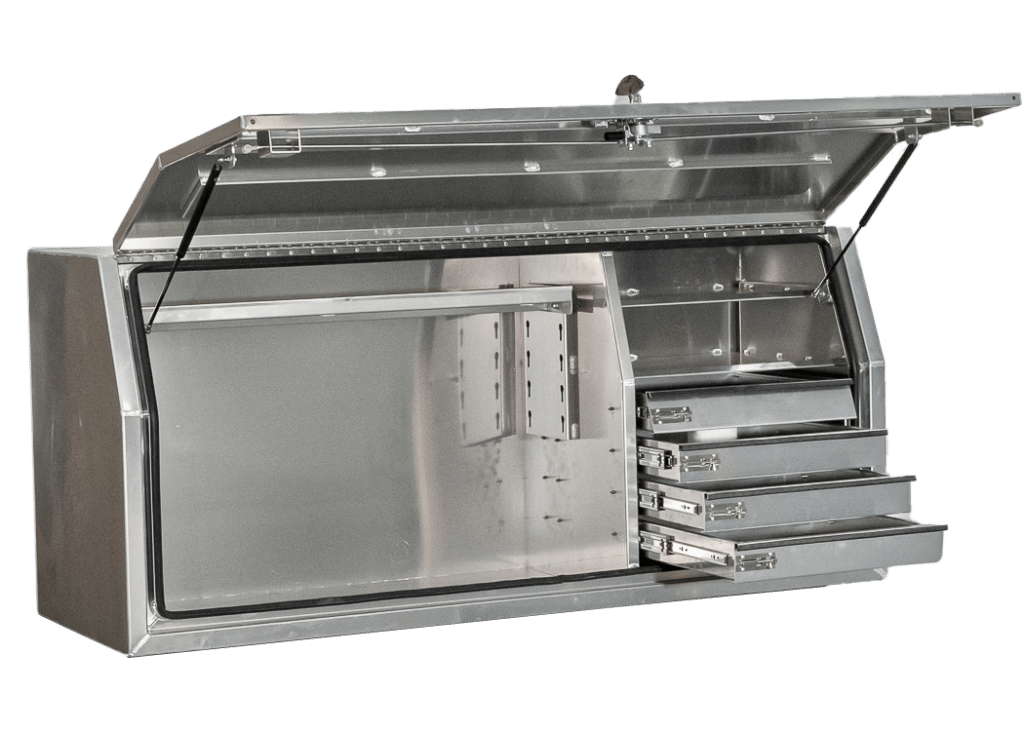
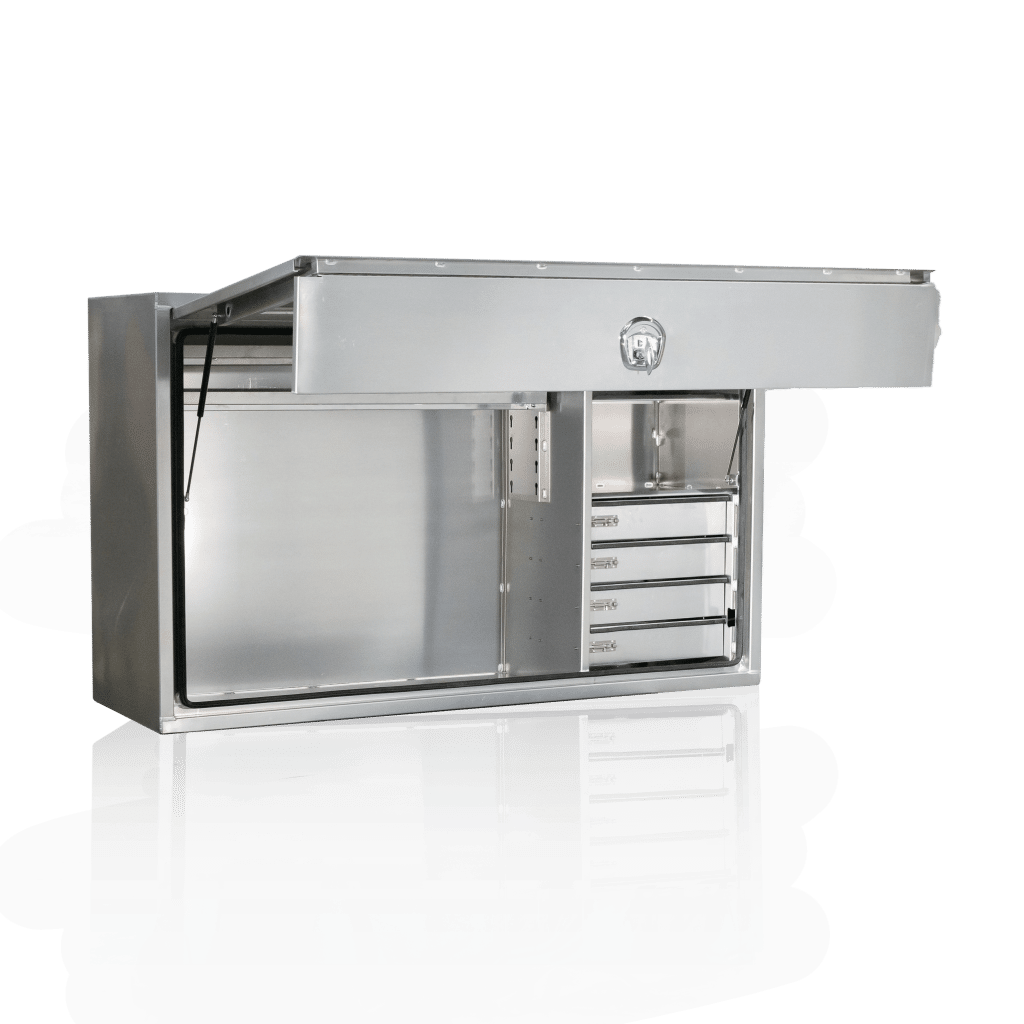
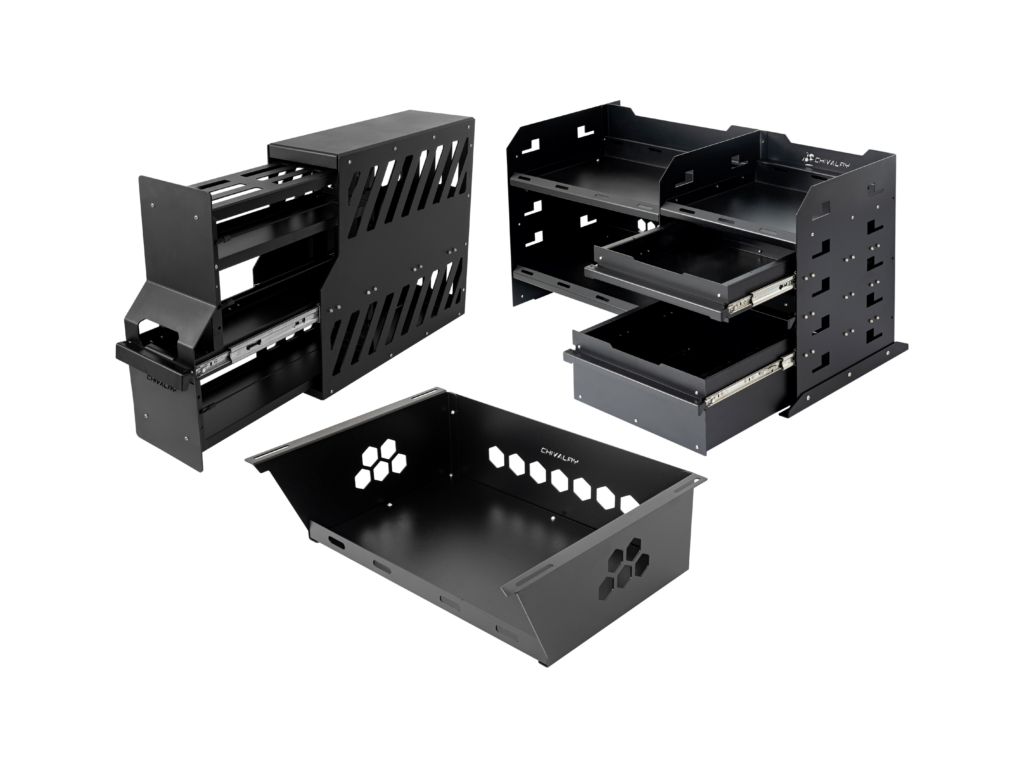
The tray supports cargo and provides the base for the canopy. The canopy creates enclosed storage for tools, equipment or touring essentials. Storage accessories can help organise that space, but the right choices depend on what you carry and how you need to reach it. Compare the actual layout and inclusions rather than assuming every combo has the same accessories.
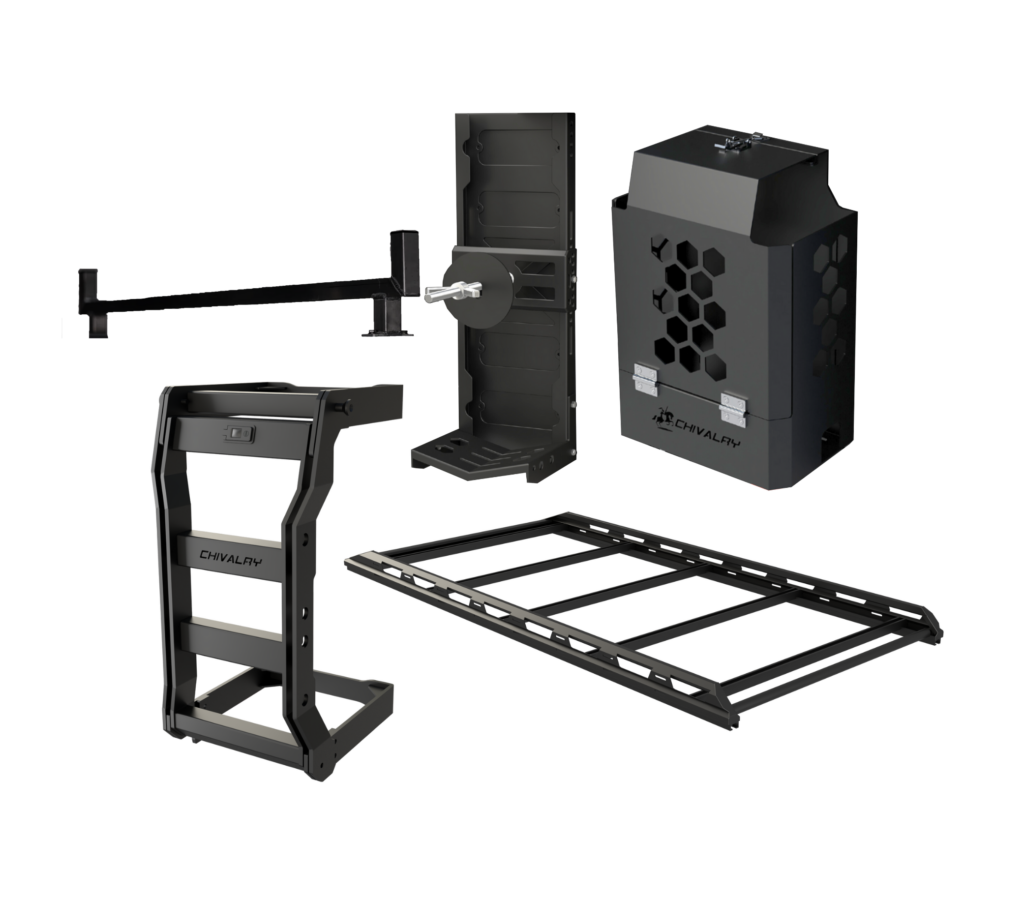
Vehicle details and intended use shape a setup’s dimensions and configuration. Chivalry manufactures tray-and-canopy combos with options in the X1 and X3 canopy series. If a standard arrangement doesn’t suit the job, Chivalry’s custom aluminium fabrication can be tailored to vehicle specifications and intended use.
Who benefits from an integrated ute combo?
Tradespeople can use enclosed storage to organise tools and job gear, while leaving the tray available for materials or bulky items. For touring, a considered layout can separate frequently used equipment from items that stay enclosed. The right balance depends on your load and routine, not on a generic idea of the perfect build.
Start by listing what you carry most days, what you load only occasionally and what needs enclosed storage. Then think about how you work around the vehicle. Do you need clear tray space for awkward loads, or quick access to regularly used equipment? Those habits help show whether a coordinated tray and canopy arrangement suits your work or touring routine.
How the tray, canopy and payload work together
A ute tray and canopy combo needs to suit both the vehicle and the way you use it. Vehicle fit affects the available platform and canopy dimensions, while storage layout affects where gear sits and how easily you can reach it. Plan these together rather than treating the tray, canopy and accessories as separate decisions.
Payload is the weight your vehicle can carry, including people, fitted equipment and cargo. It is not the same as the tray’s carrying capacity. A tray may have its own load limit, but that does not increase the vehicle’s allowable payload or override its other limits. Start with the vehicle manufacturer’s information for applicable limits, including Gross Vehicle Mass (GVM). If towing, check the relevant Gross Combination Mass (GCM) information too.
Plan storage around the gear you actually carry
Sort your tools or touring gear by size, how often you use each item and whether it needs enclosed storage. Then consider your usual loading routine. If you often park close to a wall or load from one side, access needs may differ from a setup used in open work areas. Choose a layout that keeps everyday items reachable without blocking space needed for larger or occasional loads.
Understand payload, load placement and vehicle fit
Fitted equipment and carried items all use part of the available payload. Include the tray, canopy, storage accessories, occupants, fuel and cargo in your overall load plan. Exact weights, dimensions and compatibility depend on the vehicle and selected configuration, so use current, vehicle-specific information rather than assuming figures from another ute will apply. For a closer look at tray material, benefits and trade-offs, see this guide to choosing an aluminium ute tray.
Payload sets the overall limit; load distribution determines how that weight sits across the vehicle. Heavy or unevenly placed gear can affect how the vehicle carries its load, even when the total appears to be within the payload allowance. Secure items and consider their position as well as their weight. For broader guidance, consult the National Heavy Vehicle Regulator’s information on payload and loading regulations, alongside the limits that apply to your vehicle.
Plan your storage around the vehicle’s limits before settling on a configuration. Chivalry’s ute tray and canopy combos bring the platform and enclosed storage into one setup, with layouts tailored to vehicle specifications and intended use.
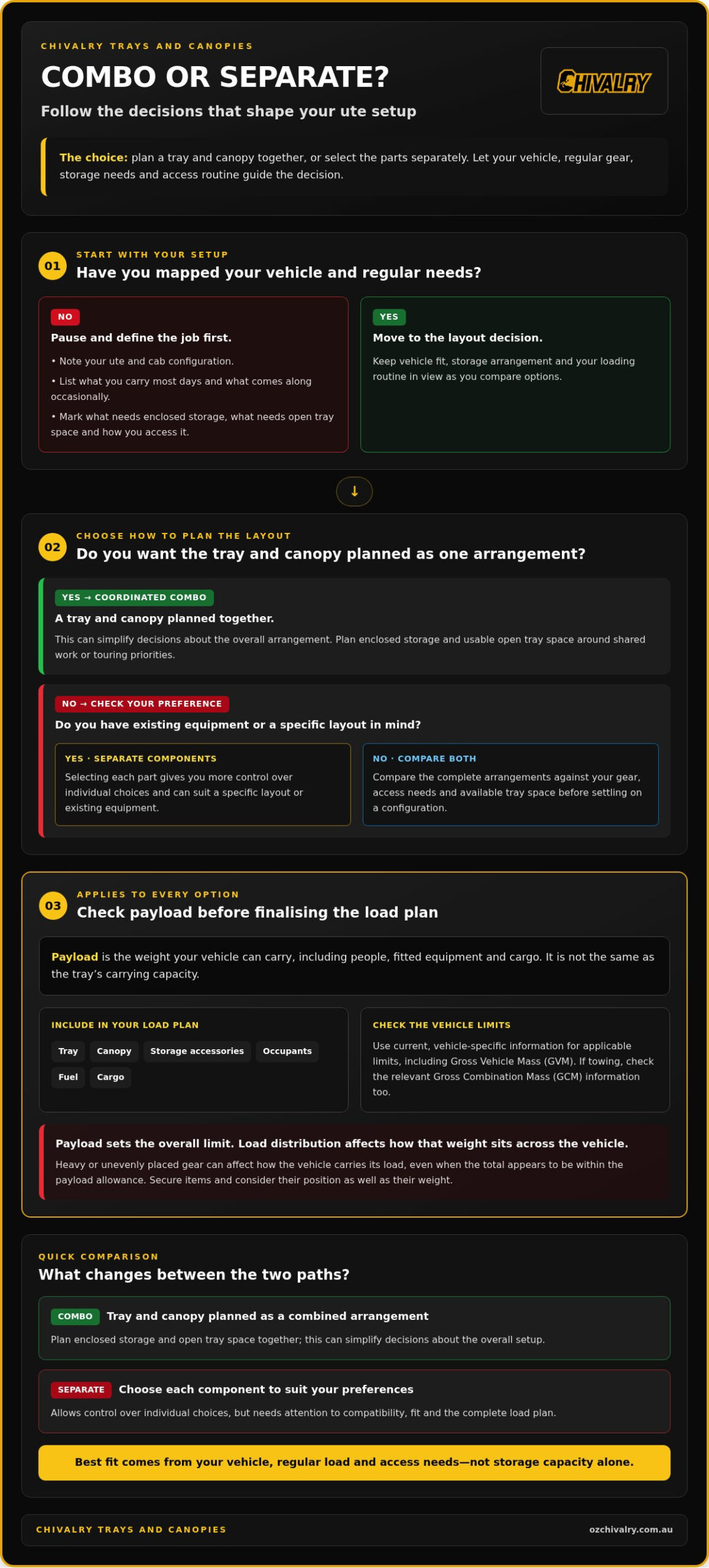
Combo or separate tray and canopy: which suits your setup?
Neither option suits every ute or job. A coordinated setup makes it easier to plan the tray and enclosed storage as one layout. Selecting a tray and canopy separately gives you more control over individual choices, but you’ll need to consider how the parts work together. Start with your vehicle, regular loads and access needs, then compare the trade-offs.
| Consideration |
Coordinated combo |
Separate components |
| Setup |
Tray and canopy are planned as a combined arrangement. |
You select each component to suit your preferences. |
| Storage |
Plan enclosed storage and open tray space together. |
Choose components around a specific layout or existing equipment. |
| Planning effort |
Can simplify decisions about the overall arrangement. |
Requires attention to compatibility, fit and the complete load plan. |
| May suit |
A trade or touring setup being built around shared storage priorities. |
An owner replacing one component or working to a particular configuration. |
When a coordinated combo makes practical sense
Choose a coordinated combo if you’re setting up the vehicle as a whole and want enclosed storage alongside usable tray space. A tradie, for example, may need tools under cover while keeping room for materials. A touring driver may want enclosed space for selected equipment without giving up the tray for bulky gear. A ute tray and canopy combo brings these needs into one planning decision. Check the selected configuration against your vehicle and intended use.
When separate components may suit your priorities
Separate parts may make sense if you already have a tray, want to replace only one component or have a particular layout in mind. This can suit a staged upgrade, but the parts still need to work together on your vehicle. Consider dimensions, mounting, access and the total equipment and cargo load. A preferred component is only useful if the completed setup meets your practical needs.
Use the comparison as a starting point, not a universal verdict. If you’re building from scratch and value a joined-up layout, a combo may simplify planning. If you have an established tray or a particular configuration to achieve, selecting separate parts may suit you better. Either way, base the decision on your work or touring routine, not on the assumption that one approach is automatically stronger or more suitable.
Plan your ute tray and canopy combo before choosing
A clear plan makes it easier to compare layouts against the work or trips you actually do. Before choosing a ute tray and canopy combo, map your regular loads, access habits and vehicle details. Keep confirmed information separate from specifications you still need for your ute.
Start with the job, trip and load
Use this sequence to turn your day-to-day needs into a practical setup brief:
- Map a typical day or trip. Note where you drive, what you carry and how you load or unload.
- List your gear. Separate regular tools or touring essentials from occasional loads. Mark which items need enclosed storage.
- Set storage priorities. Identify frequently accessed items and consider how you park when retrieving them. Long or bulky cargo may need open tray space, while smaller gear may need organised storage.
- Choose a layout to suit the load. Balance enclosed storage, accessible gear and usable tray area around your real routine, not an imagined “ideal” setup.
For example, a work ute carrying the same tools each day has different access priorities from a touring vehicle that carries bulky equipment only for certain trips. Start with the gear and loading pattern, then decide how the layout should support them.
Check vehicle details before settling on a configuration
Record the ute’s make, model, year and cab configuration. Note relevant vehicle dimensions and mounting requirements, then review the manufacturer’s information for fitment guidance and vehicle limits. Gathering these details before choosing a configuration makes it easier to compare options against your actual vehicle.
Exact dimensions, compatibility and equipment weights depend on the vehicle and selected setup. Don’t rely on figures from a different model or configuration. Include the tray, canopy, accessories, occupants and cargo in your load plan, and use vehicle-specific information before settling on the final arrangement.
Planning checklist
- Record now: regular and occasional gear, items needing secure storage, access habits, make, model, year and cab configuration.
- Verify for your vehicle: dimensions, mounting requirements, compatibility, equipment weights and applicable vehicle limits.
If a standard layout doesn’t match your measured needs, Chivalry’s custom aluminium fabrication can shape a configuration around the vehicle and intended use. Explore Chivalry tray and canopy combos as you refine your setup brief.
Choose a Chivalry tray and canopy combo for your next setup
Once you’ve mapped your work or touring needs, compare them with a setup designed around the vehicle and its intended use. Chivalry’s tray-and-canopy combos bring the tray platform and enclosed storage into one coordinated option for trade and recreational utes. Focus on a practical layout that suits your gear, access habits and available tray space.
Explore Chivalry combo options
Chivalry’s canopy series include the X1 and X3. Use these as starting points when exploring the combo range, then consider how the selected arrangement will suit your regular tasks. Don’t choose on the series name alone. Focus on your vehicle configuration, the equipment you carry and how you need to use the tray and canopy together.
Every ute has its own fitment requirements. Vehicle make, model, year and cab configuration help shape the dimensions and layout needed for the setup. Keep your vehicle information close as you review the combo options, and use current product details for configuration-specific information.
Turn your planning checklist into a finished setup
Before settling on a configuration, bring your key decisions together:
- Vehicle: make, model, year and cab configuration.
- Use: regular work tasks, touring needs or a mix of both.
- Storage: gear carried every day, occasional loads and items that need secure enclosure.
- Access: where you park and how you load, unload and reach equipment.
- Load plan: fitted equipment, occupants and cargo, considered against the vehicle’s applicable limits.
If a standard layout doesn’t match a specific dimension or storage requirement, Chivalry’s custom aluminium fabrication can be tailored to the vehicle and intended use. This gives you a way to plan a more considered configuration around your needs, rather than guessing at measurements or overlooking how the setup will work day to day.
Use your checklist to compare the X1 and X3 canopy series and identify which details need vehicle-specific attention. Browse Chivalry’s tray-and-canopy combo range and take the next practical step towards a setup built around your work or touring needs.
Build a setup around the work ahead
The right ute tray and canopy combo starts with your vehicle and the gear you carry, not a one-size-fits-all layout. Match the tray and enclosed storage to your daily tasks or touring plans, then consider access, usable tray space and the payload impact of equipment and cargo together.
Chivalry manufactures dedicated tray-and-canopy combo packages, including options with the X1 and X3 canopy series. If your vehicle or work calls for specific dimensions or a different layout, Chivalry’s custom aluminium fabrication can be tailored to your requirements. Use your checklist to keep the decision practical: vehicle details, regular and occasional loads, storage priorities and access needs.
Ready to compare options? Explore Chivalry tray and canopy combos and take the next step towards a setup shaped around your ute and how you use it.
Frequently Asked Questions
What is a ute tray and canopy combo?
A ute tray and canopy combo is a coordinated tray and canopy setup that provides a carrying platform and enclosed storage together. The tray supports cargo, while the canopy gives you space for selected gear. It differs from a factory tub or adding a canopy to a tray you already own. Chivalry manufactures aluminium tray-and-canopy combos, including options with its X1 and X3 canopy series.
Is a ute tray and canopy combo better than separate components?
Neither option is automatically better. It depends on your vehicle and how you use it. A coordinated combo can simplify planning the tray space and enclosed storage as one layout. Separate components may suit you if you already own a tray, want to replace one part or have a particular configuration in mind. In either case, consider fit, access, compatibility and the weight of the complete setup before deciding.
How do I choose a ute tray and canopy combo?
Start with your vehicle details and regular tasks. Record the make, model, year and cab configuration, then list everyday gear, occasional loads and items that need enclosed storage. Consider how you load the ute and which equipment needs quick access. Check vehicle-specific dimensions, mounting requirements and payload information before settling on a layout. This helps you compare options against actual work or touring needs instead of choosing by storage space alone.
Will a tray and canopy combo affect my ute payload?
Yes. The tray, canopy and any fitted accessories add weight, reducing the payload left for occupants and cargo. Payload means the total weight your vehicle can carry, not simply the load the tray itself can support. Check the vehicle manufacturer’s information for applicable limits, and include passengers, fuel, equipment and cargo in your load plan. Exact equipment weights and payload effects depend on the vehicle and selected configuration.
Can a ute tray and canopy combo be used for touring?
Yes. A combo can suit touring if its storage layout matches your equipment, access habits and need for open tray space. You might plan enclosed storage for gear you want organised, while keeping the tray available for bulky or occasional loads. Think through a typical trip before choosing the configuration. Account for the weight of the setup, passengers and touring gear within your vehicle’s applicable limits.
Can I get a custom ute tray and canopy setup?
Yes. Chivalry offers custom aluminium fabrication for requirements that call for tailored dimensions or layouts. This can help address specific vehicle requirements or a work and touring setup that doesn’t suit a standard arrangement. Before settling on the design, prepare your vehicle details, intended use, storage priorities and access needs. Vehicle dimensions, compatibility and payload effects are configuration-specific, so factor those into the plan.