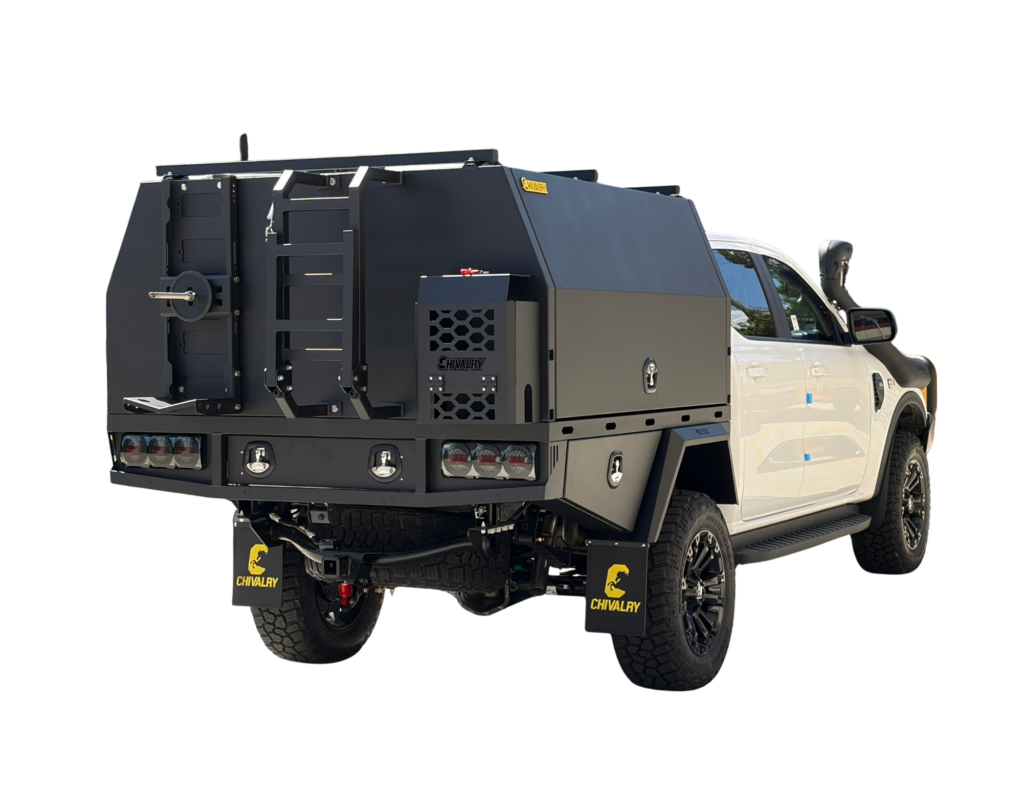
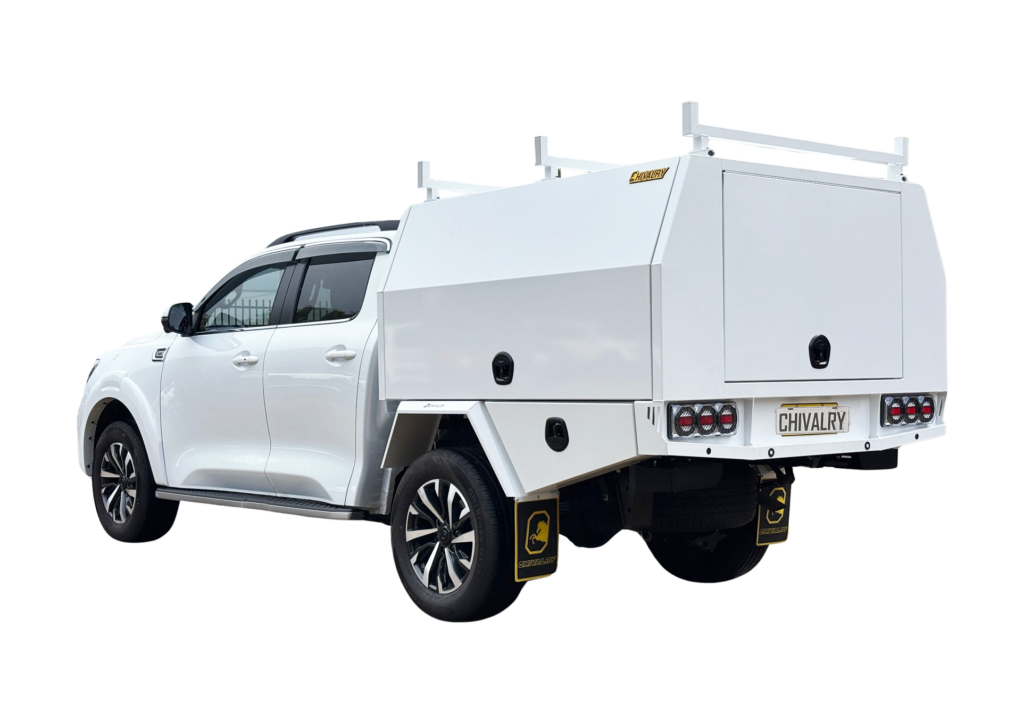
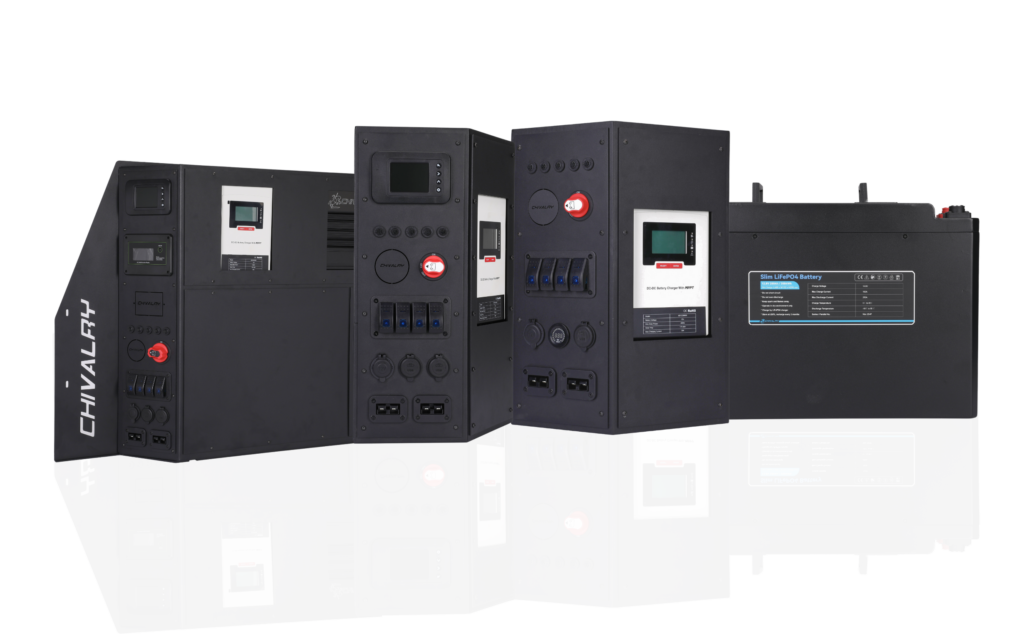
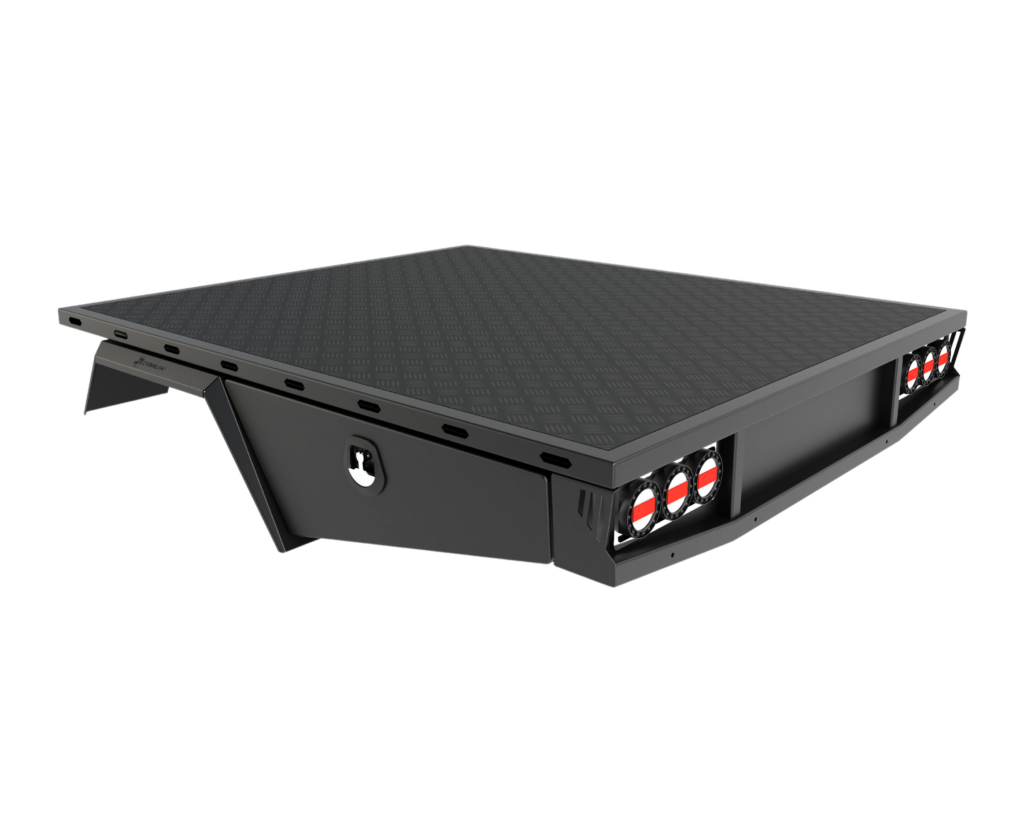
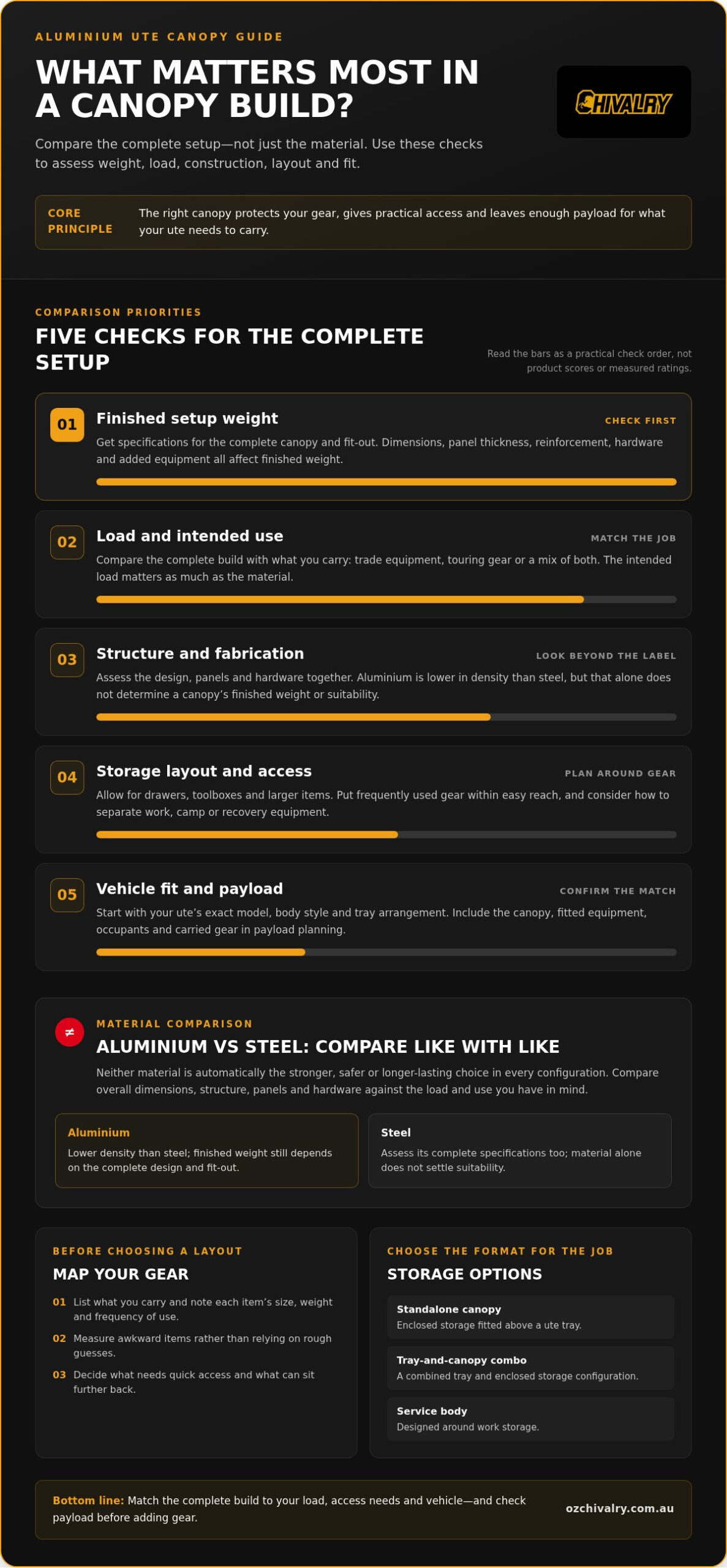
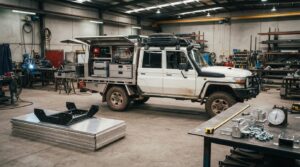
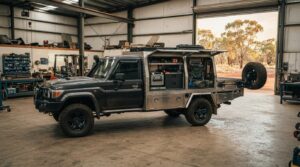
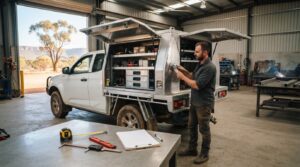
The right aluminium ute canopy isn’t necessarily the one with the most storage. It’s the one that protects your gear, gives you practical access and leaves enough payload for the load your ute needs to carry.
Choosing a setup means weighing up more than materials. Canopy construction, drawer and toolbox options, vehicle dimensions and mounting all affect how well it works day to day. It’s also easy to underestimate the weight of the canopy and its fit-out before adding tools, camping gear or passengers.
This guide explains what to compare in aluminium construction, how to plan a layout around your work or touring gear, and which vehicle details matter for fit. You’ll also learn how to factor payload into your choice. Chivalry’s X1 and X3 canopy series offer starting points, while custom aluminium fabrication can help align a setup with your vehicle and storage requirements. Use these checks to narrow your options and choose a canopy built around how you use your ute.
Key Takeaways
- Compare aluminium and steel by construction, intended load and use, not material alone.
- Match a standalone canopy, tray-and-canopy combo or service body to your storage and access needs, and your existing tray.
- Start fitment planning with your ute’s exact model, body style and tray setup.
- Factor occupants and fitted equipment into payload planning before choosing an aluminium ute canopy layout.
- Explore the X1 and X3 series, or consider custom fabrication to suit your vehicle and gear.
Why choose an aluminium ute canopy for work or touring?
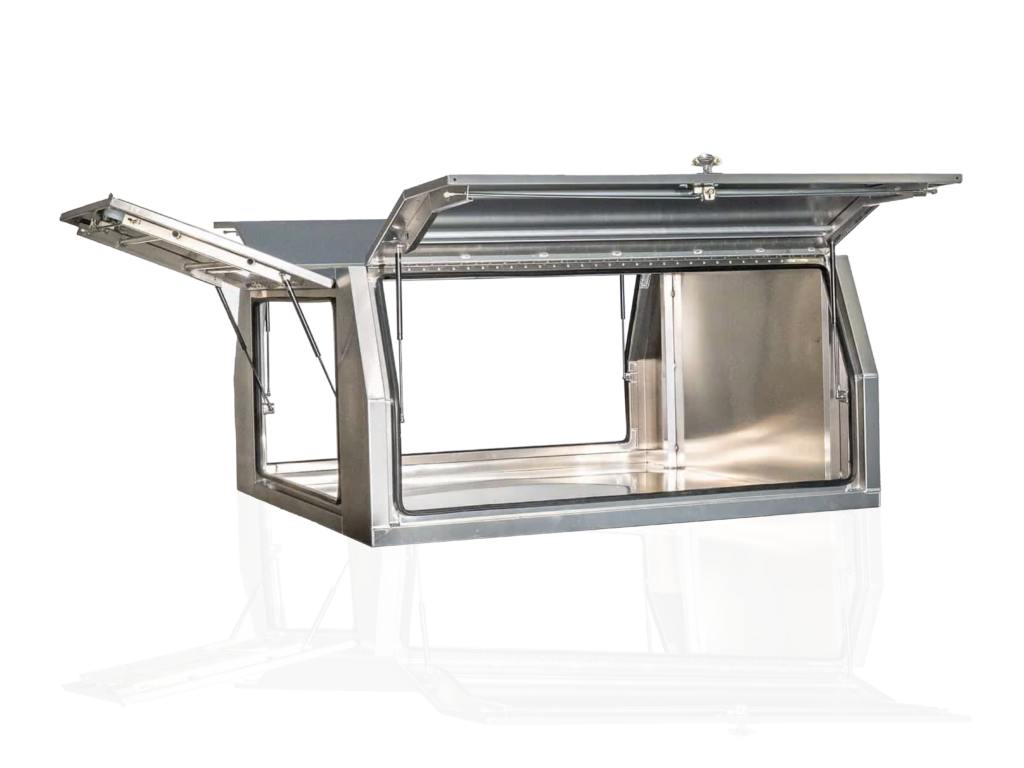
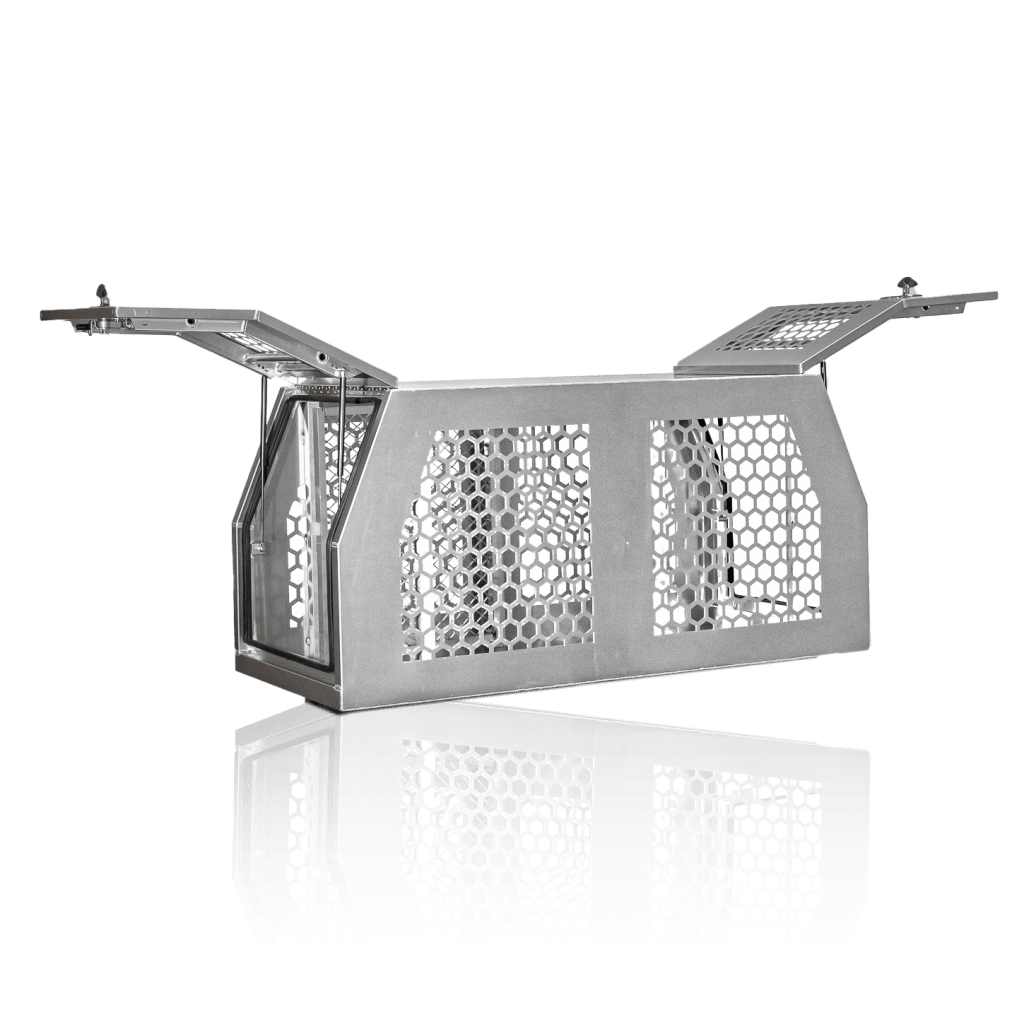
An aluminium ute canopy is an enclosed storage structure fitted to a ute, giving you a place to carry tools or travel gear instead of leaving everything on an open tray. It keeps gear contained and reduces its exposure to the elements and passing debris. How well it suits your needs still depends on its construction, layout and your vehicle’s carrying capacity.
For a tradie, that might mean keeping cases, hand tools or supplies together between jobs. For touring, it could mean storing recovery gear, camp equipment or other essentials. A mixed-use ute needs a layout that handles both without making frequently used items hard to reach. If you’re unfamiliar with the vehicle type, What is a Ute? offers background on utes and their place in Australian and New Zealand motoring.
What an aluminium ute canopy is designed to do
A canopy adds enclosed space above a ute’s tray or forms part of a tray-and-canopy configuration. Unlike an open tray, it surrounds the load, helping keep loose items together and reducing their exposure while you’re travelling. It also gives you a defined area to organise equipment, rather than stacking gear where it may shift or need to be unloaded before you can reach something underneath.
That doesn’t make every canopy suitable for every load. Consider the size and shape of what you carry, how often you need access, and whether the layout can accommodate your gear without wasting space. A canopy encloses cargo, a tray carries it openly, and a service body is designed around work storage. Choose the format that matches the job, not just the material.
When a canopy suits your day-to-day setup
Think about the rhythm of your day. If you regularly reach for tools, place the most-used items where they’re easy to access and avoid burying them behind bulky gear. For touring, you may prioritise room for larger equipment and a clear way to separate camp gear from recovery or cooking items. A mixed-use fit-out should adapt without turning every change of gear into a full unload.
Before settling on a layout, list what you carry and note each item’s size, weight and frequency of use. Measure awkward items, such as long-handled tools or camping equipment, rather than relying on rough guesses. Then decide what needs quick access and what can sit further back. This makes it easier to balance storage capacity with usability. For more practical planning ideas, see the ute canopy setup guide.
Aluminium is one part of the decision, not the whole answer. Construction, layout and fit all affect whether a canopy works with your load and vehicle. Start with the gear you actually carry, then compare configurations that support those needs.
How aluminium canopy construction affects your choice
Material matters, but it doesn’t tell you on its own whether a canopy will suit your ute. Finished weight, structural design, fabrication and the load you plan to carry all shape how a setup performs. Compare the complete build with your vehicle and intended use, not just the material named in a product description.
Aluminium has a lower density than steel, but that doesn’t make every aluminium canopy lighter than every steel one. Dimensions, panel thickness, reinforcement, hardware and construction all affect finished weight. A larger aluminium canopy with a substantial fit-out may weigh more than a compact steel option. Get the specifications for the complete setup so you can include its weight in your vehicle’s payload planning.
Vehicle manufacturers use lightweight materials to manage mass, with potential benefits for efficiency and performance. The US Department of Energy outlines these considerations in its guide to Benefits of Lightweight Materials in Vehicles. That broader context helps explain why weight matters, but it doesn’t replace checking the figures for a particular canopy and ute.
Aluminium and steel: compare the complete build
Compare like with like. Look at the canopy’s overall dimensions, structure, panels and hardware, then consider how those parts suit the intended load. A setup carrying frequently used trade equipment has different demands from one storing occasional touring gear. Neither aluminium nor steel is automatically the stronger, safer or longer-lasting choice in every configuration. Compare complete product specifications, because the finished design and intended load matter as much as the metal itself.
Weight is only one part of the comparison. Durability also depends on how the canopy is designed and fabricated for its use. Avoid judging suitability from a material label alone or assuming that a heavier build is always better. Match the product information to what your ute will carry and how you’ll use it.
Construction details that shape everyday use
Check how the canopy’s shape supports the storage arrangement you need. Consider the room available for drawers, toolboxes or larger items, and whether the layout gives you useful access to the gear you reach for most. A design that suits your load makes the space more workable. An awkward fit can leave capacity unused or make equipment harder to organise.
Vehicle-specific design matters because ute dimensions and tray arrangements vary. The canopy needs to align with your vehicle configuration and storage plan, rather than forcing your gear into an unsuitable shape. Chivalry designs aluminium canopies and offers custom fabrication tailored to vehicle specifications and intended use. For a separate durability-focused review, use this heavy-duty ute canopy checklist.
Set your priorities before comparing models: note the load, storage layout and vehicle details that constrain the build. Then explore Chivalry’s aluminium canopy options as you plan a setup around those requirements.
Compare aluminium ute canopy configurations by storage needs
The right configuration depends on what’s already fitted to your ute and how you need to reach your gear. A standalone canopy, a tray-and-canopy combo and a service body each solve a different storage problem. Compare the setup as a whole, including the tray, available space and access you need during a typical workday or trip.
| Configuration |
May suit |
Storage access |
Existing tray |
| Standalone canopy |
Owners who want enclosed storage with a compatible tray already fitted. |
Access depends on the canopy design and the way you organise the load. |
Usually part of the plan. Check that the canopy suits the vehicle and tray. |
| Tray-and-canopy combo |
Buyers planning the tray and enclosed storage together. |
Plan access around the canopy layout and the gear carried. |
The tray is included in the setup decision. |
| Purpose-built service body |
Work setups where organised access to equipment is a priority. |
Purpose-built compartments support separated storage. |
Consider the service body as the work-storage configuration, rather than assuming an existing tray is retained. |
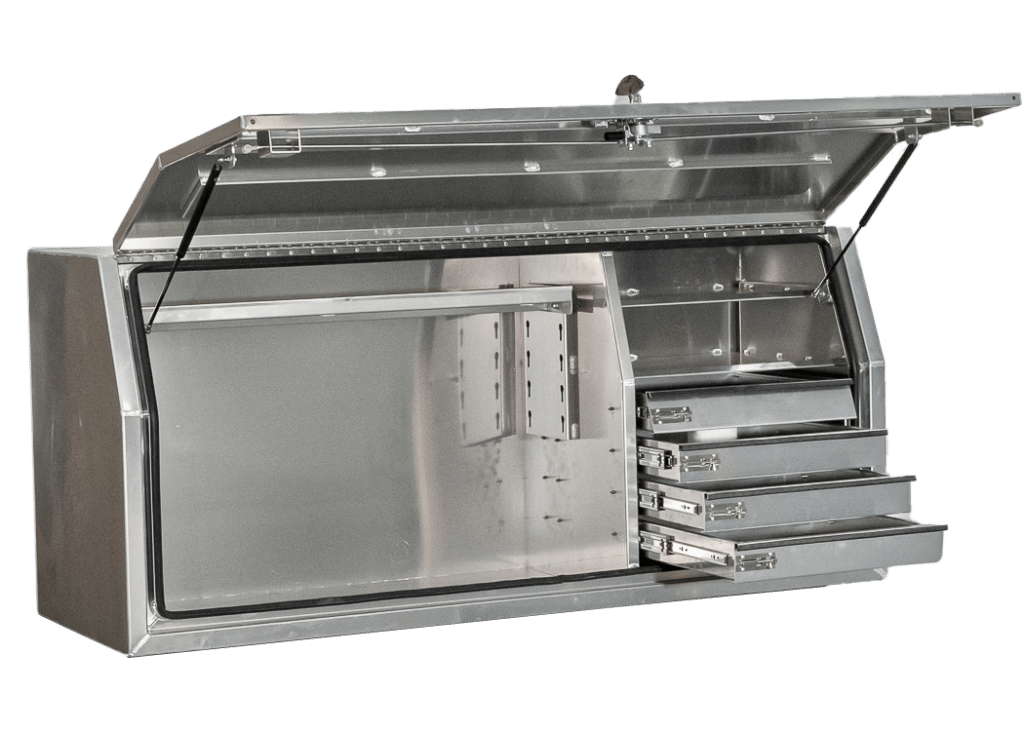
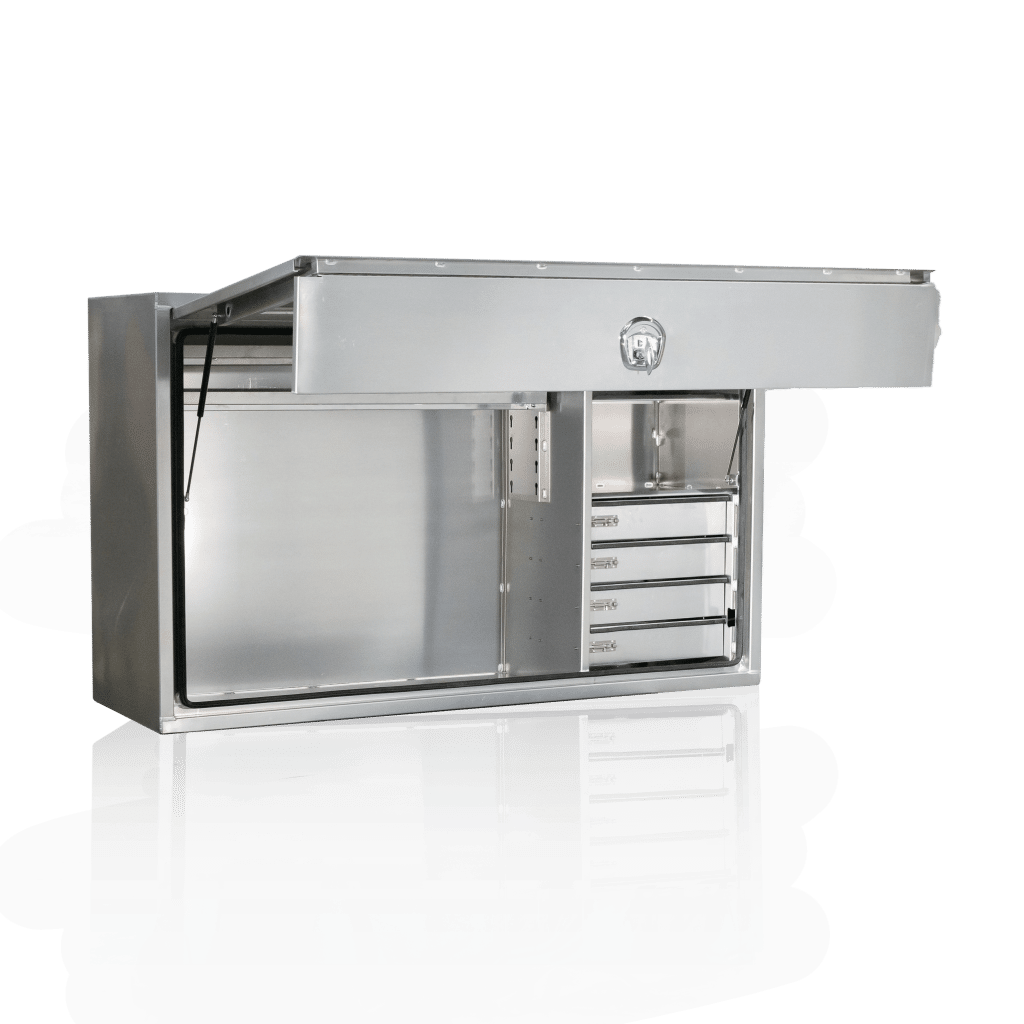
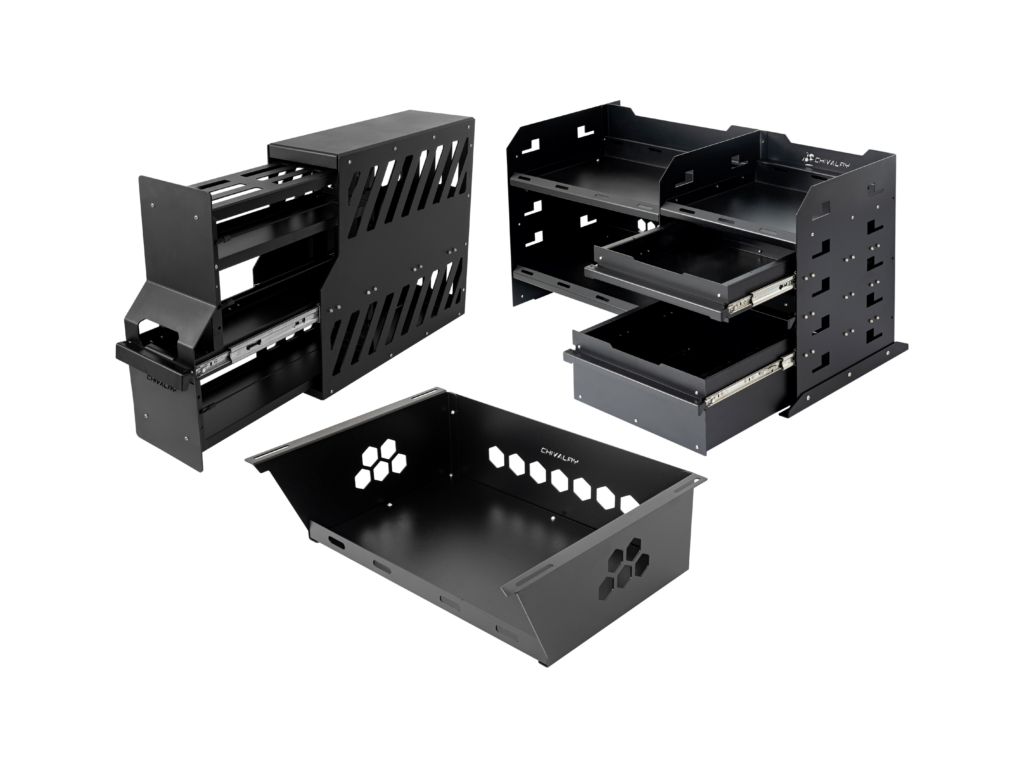
Drawers and toolboxes are layout choices, not standard inclusions in every aluminium ute canopy. Decide what needs a dedicated place, what must be reached quickly and what can be stored in a larger open area. This keeps the comparison grounded in your actual gear, rather than assumed features.
Standalone canopy or integrated tray-and-canopy setup?
A standalone canopy may suit an existing tray, provided it’s compatible with the vehicle and tray dimensions. If you’re planning a new tray as well, an integrated combo lets you consider both parts together. Compare the space and access you need, then use this ute tray and canopy combo guide for a closer look at combo planning.
Canopy or service body for work storage?
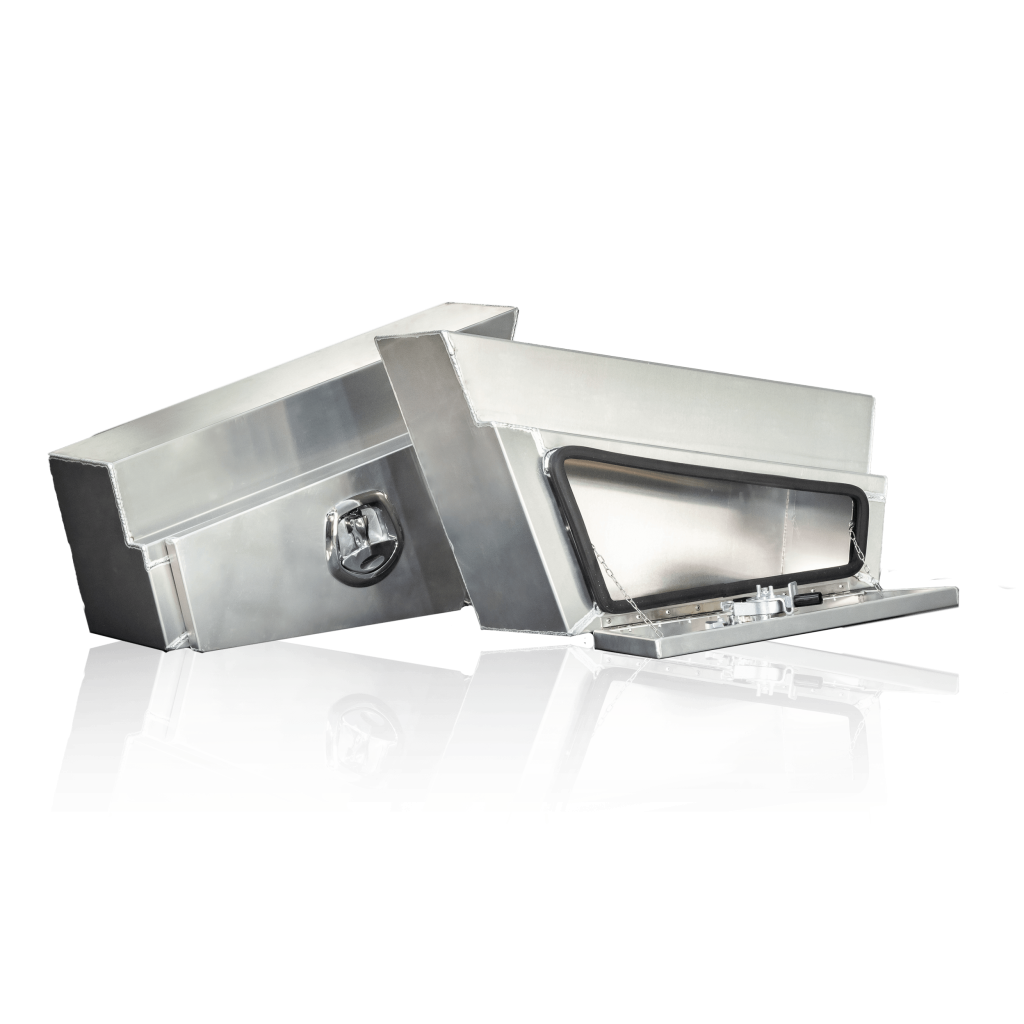
A canopy provides general enclosed storage, while a purpose-built service body is organised around work-storage compartments. Think about whether your equipment is best kept together in a shared space or separated for easier organisation. The best fit depends on the gear and access pattern, not on an assumption that one format suits every trade. If compartment planning is central, explore the custom ute service body guide.
Before choosing, sketch the load you carry and note which items need quick access. Then compare each configuration against your vehicle, tray plans and preferred storage arrangement. Chivalry offers trays, canopy combos and custom service bodies, giving you distinct formats to consider for work or recreational use.
Check vehicle fit, payload and layout before choosing
Confirm the vehicle details before settling on an aluminium ute canopy. Fit depends on the ute and its tray configuration, while payload limits how much the vehicle can carry once people, equipment and cargo are on board. Work through these checks in order so the canopy plan fits the vehicle as well as the job.
- Record the exact ute model, body style and existing tray. Note the model year, cab type and whether the vehicle has a factory tub, flat tray or another setup.
- Measure the tray and mounting area. Record usable length and width, and note features that affect where a canopy can sit or how it can be mounted.
- Check vehicle-specific information. Use the owner’s manual, vehicle information plate and manufacturer guidance to understand the vehicle’s stated mass limits and configuration.
- List occupants and fitted equipment. Include accessories already on the ute, not just the canopy you’re considering.
- Map the cargo and access pattern. Write down what you carry, its dimensions and weight, and how often you need to reach each item.
Confirm canopy compatibility and fitment details
Make, model, year, body style and tray dimensions all help define the fit. A canopy designed around one vehicle configuration may not align with another, even if both utes look similar. Keep those details together before comparing setups, and use this ute canopy fitment checklist to organise the key measurements and configuration details.
Plan payload and access around real gear
Payload is the vehicle’s available carrying capacity. Account for occupants and fitted equipment, then include the canopy, storage fit-out and typical cargo when assessing the remaining capacity. Don’t treat the canopy’s storage space as extra carrying capacity. The vehicle’s own information is the reference point for its limits, so base your plan on the figures for your specific ute rather than a general estimate.
Now make a simple layout sketch. Put frequently used tools where you can reach them without shifting larger items. Occasional touring equipment may suit a different position from daily-use gear. Measure bulky or awkward cargo, such as a long tool case or camp equipment, and allow room to access it. This can reveal early if drawers, toolboxes or other planned accessories compete for the same space.
Use the checklist to bring vehicle fit, load and storage into one decision. Chivalry designs aluminium canopies and custom fabrication around vehicle specifications and intended use. Explore Chivalry’s aluminium ute canopy options as you plan a setup for your ute.
Explore Chivalry aluminium ute canopies and plan your setup
With your vehicle, load and storage priorities mapped out, you can compare canopy options against a clear plan. Chivalry designs and manufactures aluminium ute canopies for Australian trade and recreational use. The X1 and X3 canopy series give you two ranges to explore as you narrow down a setup for your ute.
Match the Chivalry canopy range to your requirements
Start with how the ute will be used. Daily work gear, touring equipment and a mixed-use load can call for different storage priorities. Use your notes on vehicle model, body style, tray configuration and cargo to guide decisions about dimensions and intended use. This keeps the process practical and avoids choosing by series name alone.
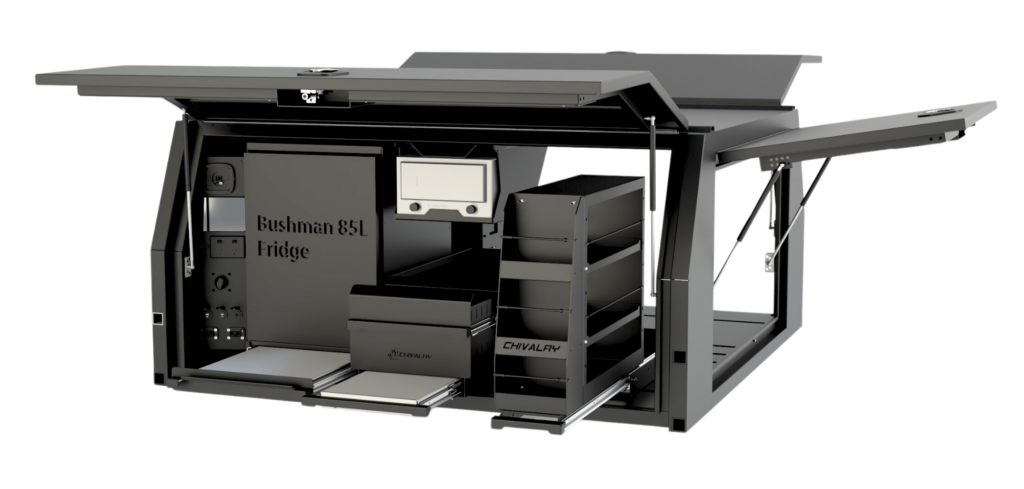
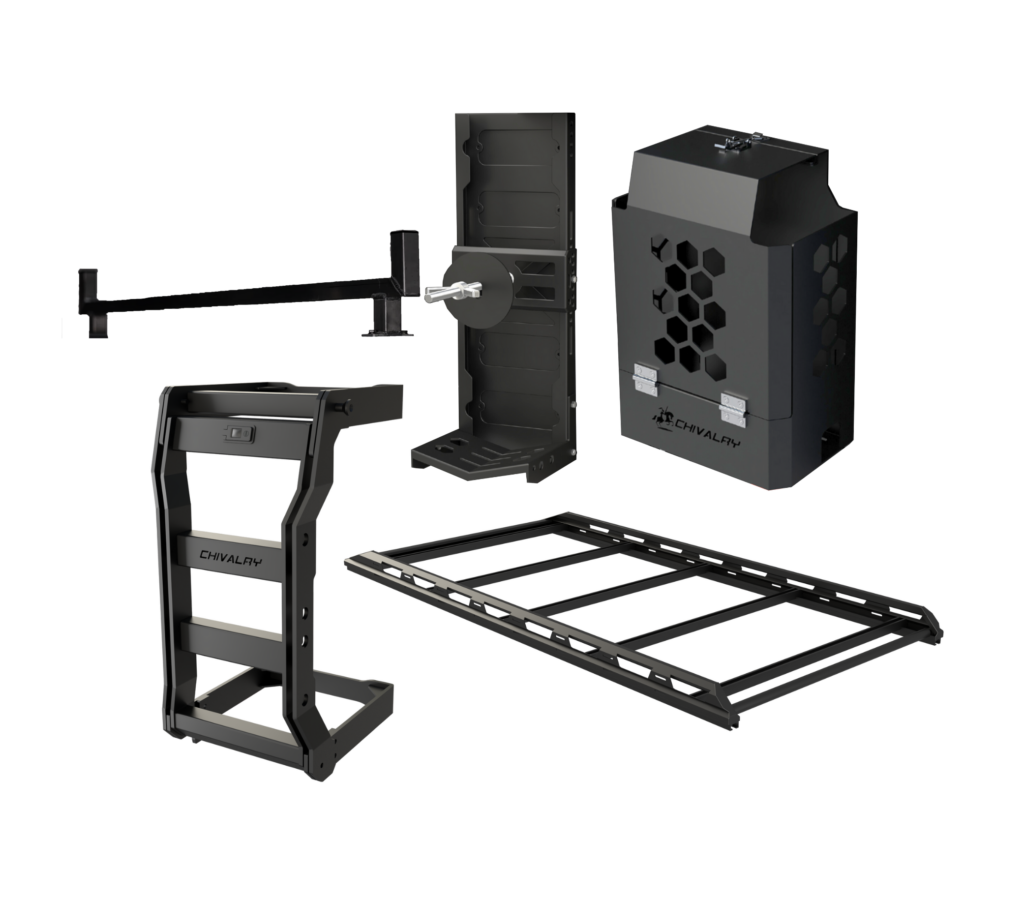
Chivalry also offers custom aluminium fabrication tailored to vehicle specifications and intended use. This provides a way to align a setup with vehicle-specific dimensions and storage needs. Related products such as slide canopy drawers and toolboxes can be considered as part of your storage plan, but treat them as separate choices rather than assuming they come with a canopy.
Take the next step with a defined canopy plan
Before progressing, bring your key details together. A useful plan includes:
- The exact ute model, body style and existing tray configuration.
- Available tray dimensions and the mounting arrangement you’re planning around.
- Your payload considerations, including occupants, fitted equipment and the load you expect to carry.
- A list of cargo with approximate dimensions, weights and access frequency.
- Any drawers, toolboxes or other storage products you want to factor into the layout.
These details turn a broad product comparison into a vehicle-specific setup plan. They also make it easier to identify which gear needs quick access, what can be stored further away and where space may be tight. Keep the plan grounded in your usual load, not only the occasional item you might carry.
Explore the aluminium ute canopy range and compare the X1 and X3 series against your requirements. Bring your vehicle details and storage plan, then take the next step towards a canopy setup built around your ute and intended use.
Build your canopy plan around the next job
A well-planned aluminium ute canopy should work with the way your ute earns its keep, whether that means carrying trade gear through the week or setting up for time away. Before moving ahead, turn your notes into a practical brief: vehicle details, typical load, storage priorities and the access you need. That gives your canopy decision a clear purpose and keeps the setup grounded in real use.
Chivalry’s X1 and X3 series provide options to explore, while custom aluminium fabrication can be tailored to vehicle specifications and intended use. Use your brief to consider which direction suits your requirements, rather than adding storage without a clear need.
Explore Chivalry’s aluminium ute canopies and take the next step towards a setup planned for your vehicle and day-to-day demands.
Frequently Asked Questions
Is an aluminium ute canopy lighter than a steel canopy?
Aluminium is less dense than steel, but that fact alone can’t tell you which finished canopy weighs less. Dimensions, panel design, structural components and fittings all contribute to the complete unit’s mass. Compare specifications for the canopy as supplied, including attached hardware, rather than comparing raw material labels. If carrying capacity is tight, use those figures in the vehicle’s overall load plan before adding tools or travel gear.
Can an aluminium ute canopy be fitted to any ute?
An aluminium ute canopy won’t fit every ute by default. Compatibility depends on the vehicle’s make, model, year and body style, as well as tray size and mounting arrangement. A factory tub and a flat tray can present different fitting conditions. Gather those details and any existing tray measurements before selecting a canopy. This gives you the information needed to match the canopy to your specific ute.
Will an aluminium canopy affect my ute’s payload?
Yes. A canopy contributes to your ute’s load and leaves less capacity for people and cargo. The same applies to drawers, toolboxes, racks and other fitted accessories. For example, if you add a canopy and a drawer system, include the weight of both in the overall calculation, alongside occupants and everyday gear. Use the vehicle’s specified limits and consider the fully equipped ute, not just its empty tray.
Can I add drawers to an aluminium ute canopy later?
Drawers may be added if the canopy’s dimensions, internal arrangement and intended load suit them. Check how the drawer footprint affects space for taller or irregularly shaped cargo, and whether access remains practical for your regular gear. Chivalry offers slide canopy drawers as a separate storage product. They’re not an automatic inclusion or a universal fit, so plan for storage early, even if you expect to add drawers later.
How do I clean and maintain an aluminium ute canopy?
Follow the care guidance supplied for your canopy, since suitable cleaners and methods depend on its materials and finishes. Avoid assuming a product used on another surface is appropriate. During routine cleaning, inspect accessible panels and hardware for visible damage or looseness, and look over mounting points after rough roads or demanding work. If you spot a concern, use the manufacturer’s guidance for the next step.
Is an aluminium ute canopy suitable for both work and touring?
Yes, an aluminium ute canopy can suit work and touring if the planned load and layout support both uses. A ute carrying service tools during the week and camping gear on weekends may need a way to separate items without blocking access to essentials. List both sets of gear, note what changes between trips, then plan where each item goes. Recheck the total load when both types of equipment are carried together.