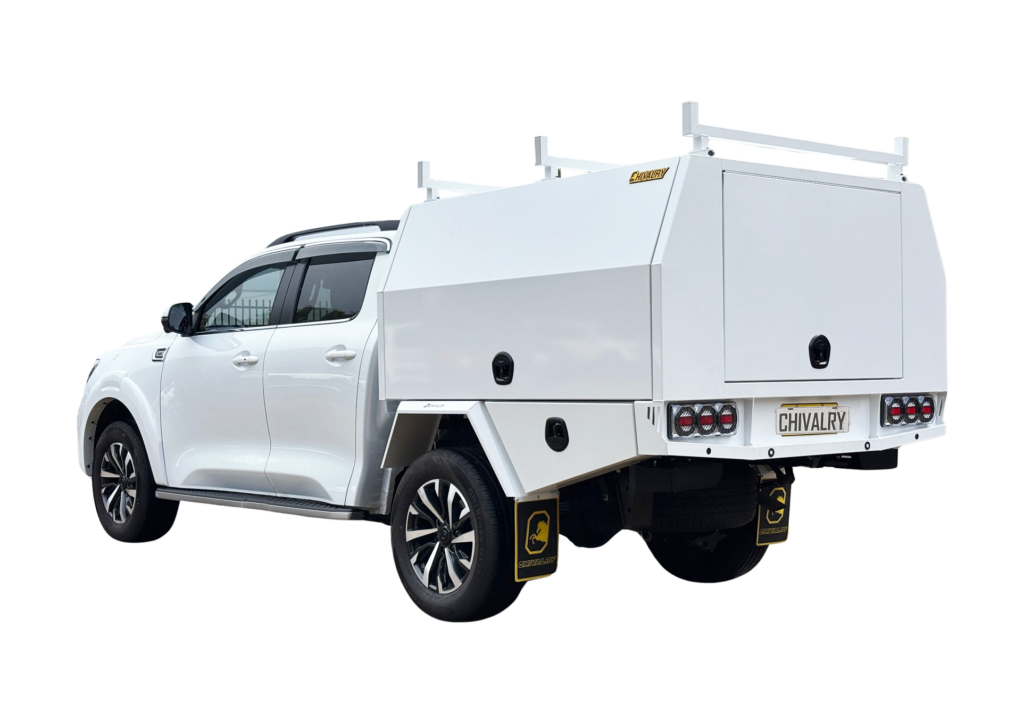
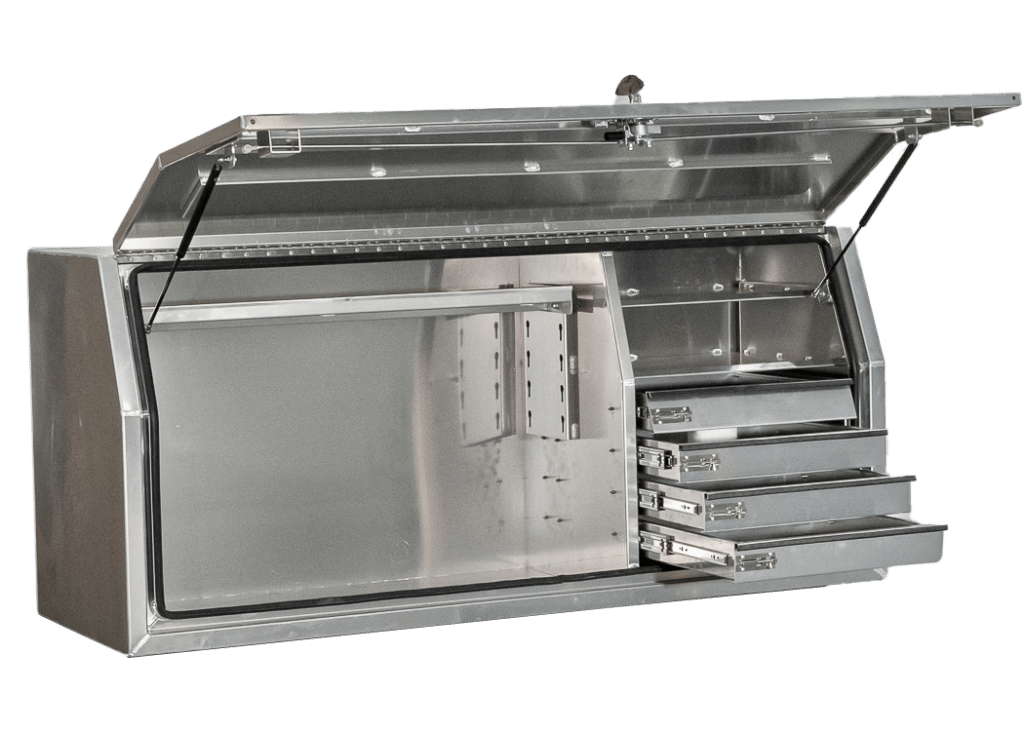
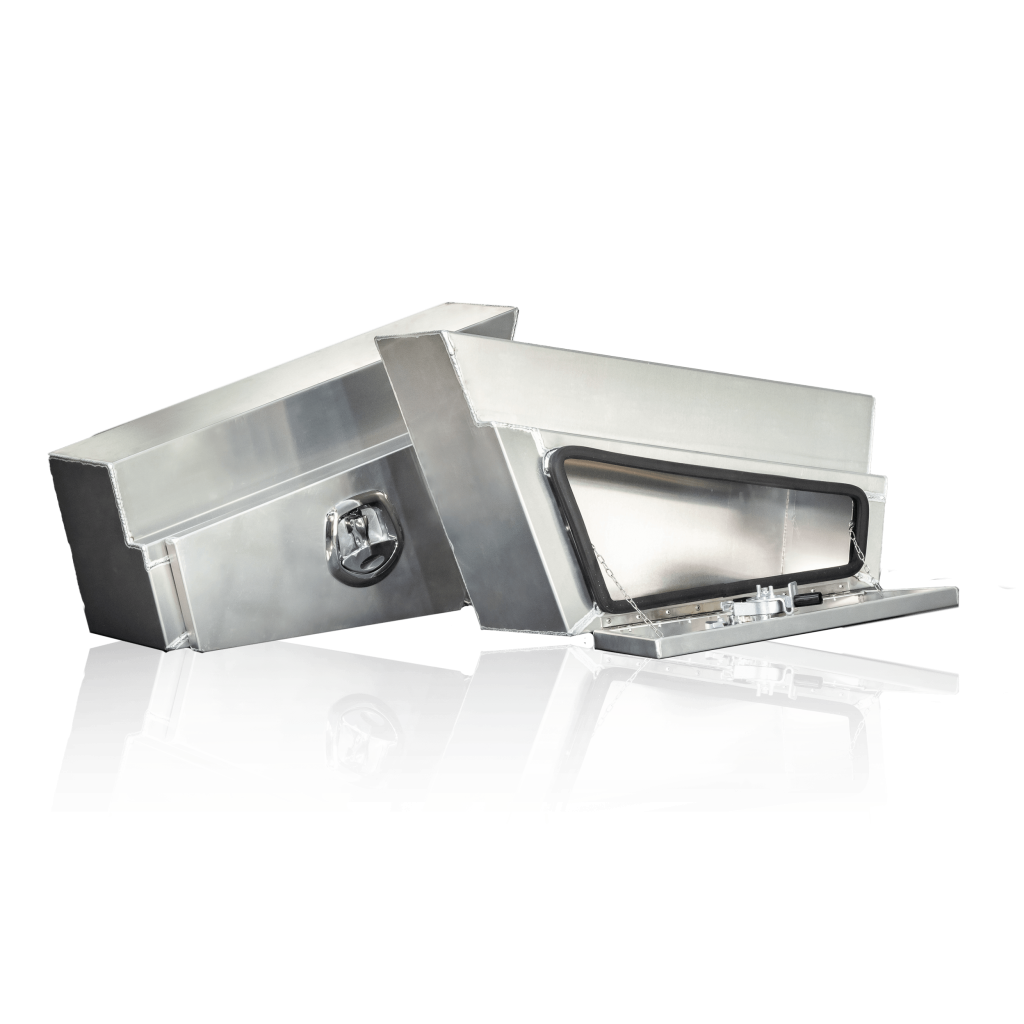
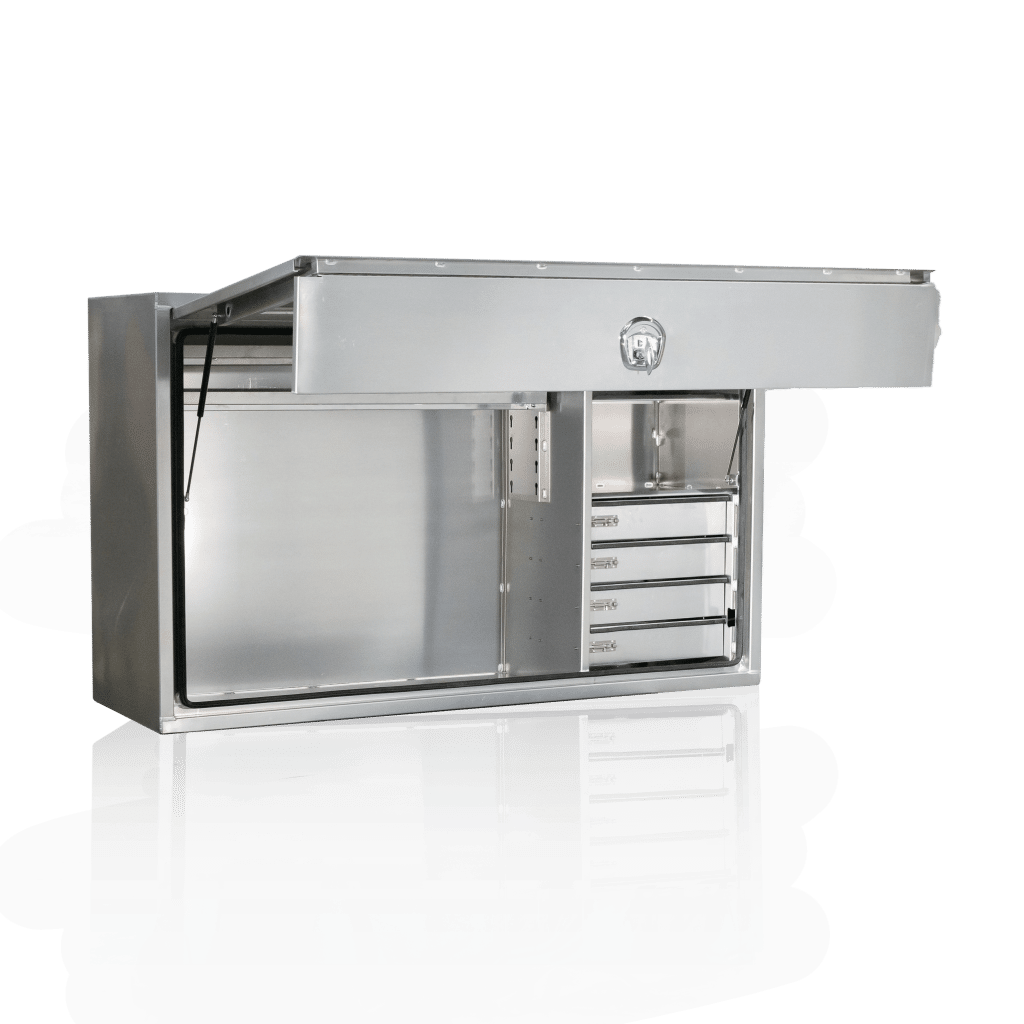
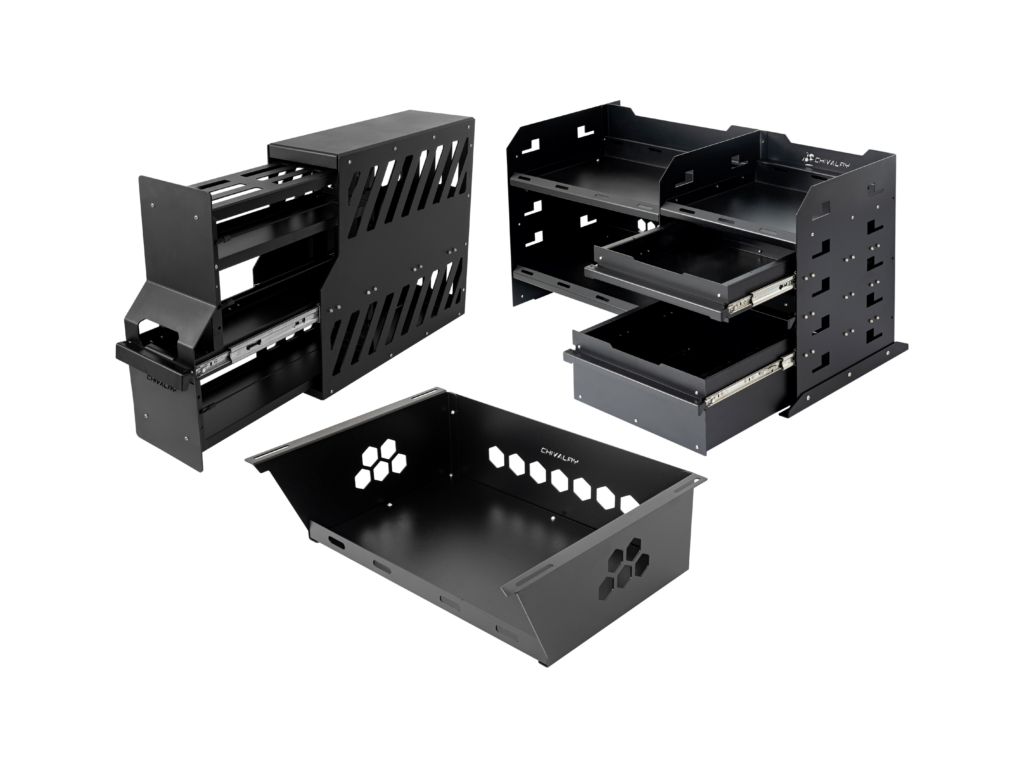
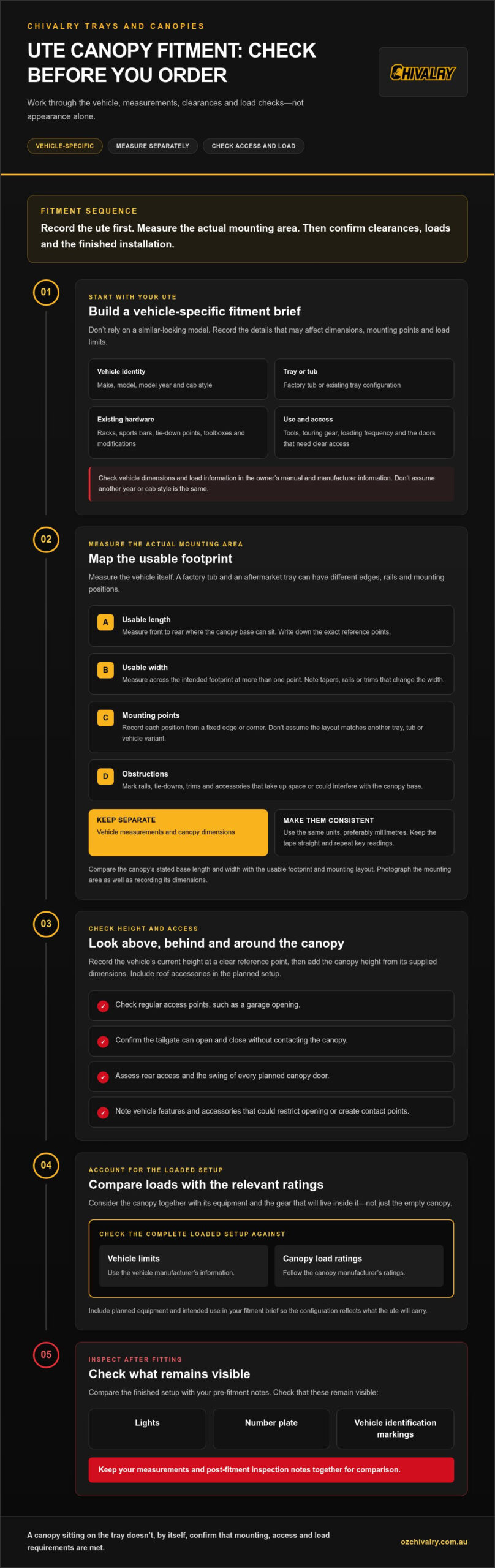
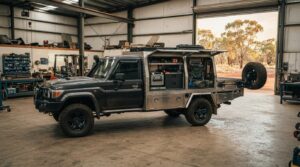
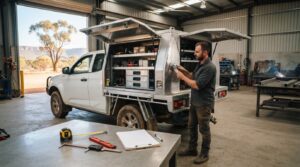
A canopy can look right on the tray and still clash with mounting points, access or your ute’s load limits. This ute canopy fitment guide helps you check the practical details before installation, so you can assess more than appearance alone.
Matching a canopy to your ute’s make and model is a useful start, but it isn’t the whole fitment check. Tray dimensions, fixing points, door and tailgate clearances, and the weight of the canopy and its equipment all affect whether the setup suits your vehicle and the way you use it.
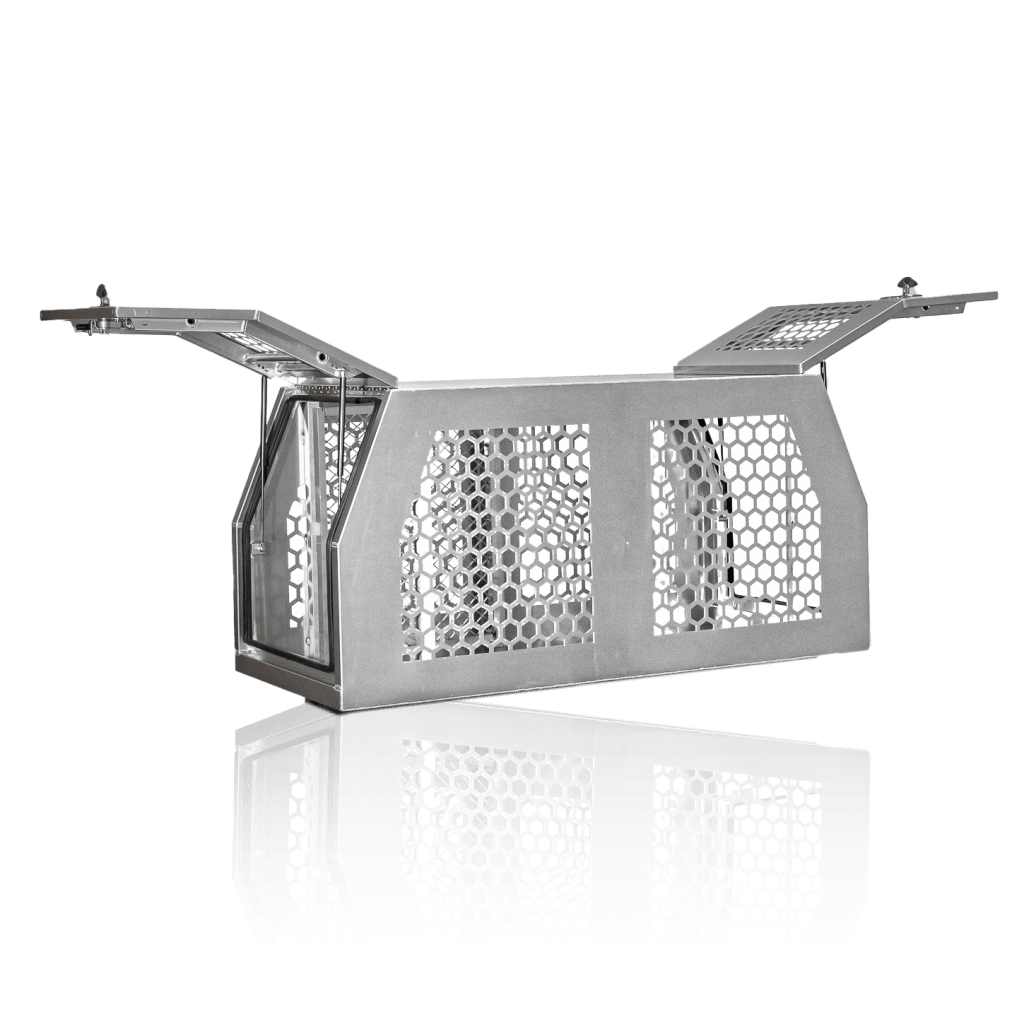
Use this checklist to confirm vehicle and canopy compatibility, take consistent measurements, inspect mounting and access clearances, and account for payload and axle loads. After fitting, check that lights, the number plate and vehicle identification markings remain visible. Compare vehicle limits with the manufacturer’s information and follow the canopy manufacturer’s load ratings. Chivalry Trays and Canopies designs and manufactures aluminium canopies, tray-and-canopy combos and custom aluminium fabrication for Australian vehicles.
Key Takeaways
- Use this ute canopy fitment guide to organise the details that matter for your ute and its intended work.
- Record vehicle, tray or tub, and canopy dimensions separately, then repeat key measurements to catch errors.
- Check mounting points, door access and tailgate clearance separately. A canopy sitting on the tray doesn’t confirm that the whole setup works.
- Compare the complete loaded setup with vehicle limits and canopy load ratings before settling on a configuration.
- Keep your pre-fitment measurements and post-fitment inspection notes together, so you can compare the finished setup with your records.
Ute Canopy Fitment Guide: Start with the Vehicle and Its Intended Use
Check compatibility before committing to a canopy. Start with the ute you own, not a model that looks similar in a brochure. Record the exact make, model, model year, cab style and whether it has a factory tub or an existing tray. These details shape the fitment brief and help avoid assumptions about dimensions, mounting points or load limits carrying over from another variant.
A ute’s body style and tray configuration affect the space available for a canopy. For general context, the Ute (vehicle) overview explains the vehicle type. Use your own vehicle documentation for the dimensions and limits relevant to fitment.
Record the ute details that affect canopy compatibility
Build a clear record before measuring. Include accessories and modifications that take up space or could affect mounting, such as racks, sports bars, tie-down points or existing toolboxes. Don’t assume a different year or cab style shares the same dimensions. Check the owner’s manual and manufacturer information for vehicle dimensions and load limits, and note details to inspect on the vehicle itself.
- Make, model and model year
- Cab style and tub or tray configuration
- Existing accessories, modifications and mounting hardware
- Vehicle dimensions and load information from manufacturer documentation
Match fitment checks to how you use the ute
Plan around the gear that will live in the canopy. A trade setup may need room for tools and materials, with frequent loading, while a touring fit-out may prioritise access to camping gear and space for added equipment. For mixed use, list what needs to stay accessible and what can be packed away. Those priorities help shape the canopy layout and fitment requirements.
- Work: List tools and equipment, how often you load them and which doors need clear access.
- Touring: Note bulky gear and how you’ll reach it, including whether side or rear access suits your packing routine.
- Mixed use: Separate essential work gear from touring items and identify where their storage needs overlap.
For a broader layout plan, the ute canopy setup guide covers work and touring requirements to consider before settling on a configuration.
Keep a fitment brief you can revisit
Bring your vehicle details and use requirements together in one record. It gives you a consistent reference for measuring and inspecting the ute, and makes missing information easier to spot. Keep the brief practical and specific to your vehicle.
- Vehicle identity, body style and tray or tub type
- Accessories or modifications that could affect mounting space
- Equipment list, access priorities and manufacturer-sourced load details
Use these notes to guide the next checks. Chivalry designs and manufactures aluminium canopies, trays and tray-and-canopy combos for Australian vehicles, with vehicle and use requirements informing a suitable configuration.
Measure Your Ute for Canopy Fitment Before Ordering
Accurate measurements turn your vehicle details into a useful fitment brief. Measure the ute first, then compare those figures with the canopy’s stated dimensions. Keep the two sets separate: the tray or tub footprint describes the available space, while the canopy dimensions describe the unit itself. This step in your ute canopy fitment guide can reveal potential mismatches before you commit to a configuration.
Use the same units throughout, preferably millimetres, and write down the start and end point for each measurement. Measure on level ground, keep the tape straight and repeat key readings. A recording error can make a setup look suitable on paper when mounting space or access doesn’t line up.
Measure the mounting area and available footprint
Start with the surface that will support the canopy. A factory tub and an aftermarket tray have different edges, rails and potential mounting positions, so measure the actual vehicle rather than relying on a generic model description. Photograph the area as well as recording dimensions.
- Measure the usable length. Record the front-to-rear space where the canopy base can sit, noting the exact front and rear reference points.
- Measure the usable width. Check across the intended footprint at more than one point. Note changes caused by tapered sides, rails or trims.
- Map the mounting points. Record their positions from a fixed edge or corner. Don’t assume the layout is the same across tray, tub or vehicle variants.
- Mark obstructions. Note rails, tie-downs, trims and accessories that occupy space or could interfere with the canopy base.
Keep vehicle measurements separate from canopy measurements. Compare the canopy’s stated base length and width with the usable footprint and mounting layout. Those dimensions alone don’t confirm fitment.
Check height, access and vehicle clearances
Next, consider the space above and around the planned canopy position. Record the vehicle’s current height at a clear reference point, then add the canopy height using its supplied dimensions. Check regular access points, such as a garage opening, and account for any roof accessories in the planned setup.
- Check that the tailgate can open and close without contacting the canopy.
- Assess rear access and the swing of each planned canopy door.
- Note accessories or vehicle features that could restrict opening or create contact points.
Cab, tailgate and tray configurations can change the relevant reference points. Verify variant-specific dimensions and load information against vehicle manufacturer documentation. A measurement from one ute variant can’t establish compatibility for another.
Make the fitment measurements usable
Label every figure clearly, such as “tray width, front edge” or “mounting point from left rear corner”. Take photos from above and from each side, showing obstructions and mounting areas. Clear records make measurements easier to interpret and support a more accurate fitment discussion. Chivalry’s aluminium ute canopies and trays are designed for Australian vehicles, with vehicle-specific requirements informing suitable configurations.
Check Mounting, Clearance and Load Issues Before Fitment
A canopy sitting neatly on a tray doesn’t prove the complete setup is suitable. Check three things separately: whether the mounting arrangement matches the supporting surface, whether the vehicle can carry the finished load, and whether doors and accessories can operate without interference. This is where a ute canopy fitment guide goes beyond dimensions to consider everyday use.
Canopy and accessory mass contributes to the vehicle load. Include that weight in your planning before adding tools, touring gear or other equipment.
Inspect mounting points and supporting surfaces
Compare the canopy’s mounting arrangement with the actual tray or tub. Look for matching positions and an even supporting surface. Rails, trims, tie-downs, previous modifications or other fittings may obstruct the intended location or affect how the canopy sits. Record what you find, and don’t assume a mounting layout is shared across vehicle or tray variants. Use vehicle-specific information rather than guessing bolt sizes or installation methods.
An existing tray and a tray-and-canopy combo involve different planning considerations:
- Existing tray with a canopy: This may retain the tray already fitted, but the canopy still needs to suit its mounting layout and available footprint.
- Tray-and-canopy combo: Planning the tray and canopy together can align their requirements, but you still need to assess the combined setup against the vehicle and your intended use.
Neither option suits every ute. The right choice depends on the supporting surface, vehicle details and fitment requirements.
Account for payload, GVM and axle loads
Payload is the carrying capacity available for people, equipment and added fit-out within the vehicle’s limits. Work out the full intended load, not just the canopy: include occupants, stored gear and every other fitted accessory. An empty setup can change considerably once loaded for a workday or trip.
Check the vehicle’s GVM and axle-load information against manufacturer documentation for your exact variant. Consider how the planned load is distributed as well as its total, and don’t rely on figures from a similar model. Keep the canopy’s own load recommendations in view too, especially if you plan to carry equipment on or inside it.
Confirm clearances with the fully planned setup
Plan the intended layout and inspect the vehicle for possible contact points. Consider towbar equipment, lights and existing accessories, then check the full operating range of the canopy doors, tailgate and other access points. A door that opens only part-way can block routine loading; a tailgate that contacts the canopy can restrict access. Resolve clashes before finalising the fitment layout.
- Check each door and the tailgate through its full opening and closing movement.
- Look for contact with accessories, vehicle features or nearby fittings.
- Reassess access with the equipment and additions you intend to carry.
Record any changes to mounting, load or clearance requirements in your fitment notes. The whole arrangement needs to work together, not just fit within the tray’s outline.
Use This Pre-Fitment and Handover Checklist
Keep the process clear by separating what to record before installation from what to inspect once the canopy is in place. This checklist brings vehicle details, measurements, mounting, access and load considerations into one sequence. Save it with your vehicle records and mark off each item as you go.
Before fitment: prepare the vehicle information
Gather details and evidence that describe your ute as it is now. Compare the intended canopy use and equipment with the available space, mounting arrangement and vehicle load information. If you’re considering an integrated setup, the tray and canopy combo guide can help you weigh up that configuration. Clearly record any unresolved vehicle-specific measurement or specification and settle it before proceeding.
- ☐ Vehicle: Record make, model, year, cab style and tray or tub type.
- ☐ Measurements: Save labelled dimensions, units and repeated readings.
- ☐ Mounting: Note mounting locations, supporting surfaces and any obstructions.
- ☐ Accessories: Photograph existing fittings and mark where they sit.
- ☐ Use and load: List planned equipment and compare the complete setup with relevant vehicle load information.
- ☐ Open questions: Flag measurements or vehicle-specific details that still need resolving.
After fitment: inspect operation and access
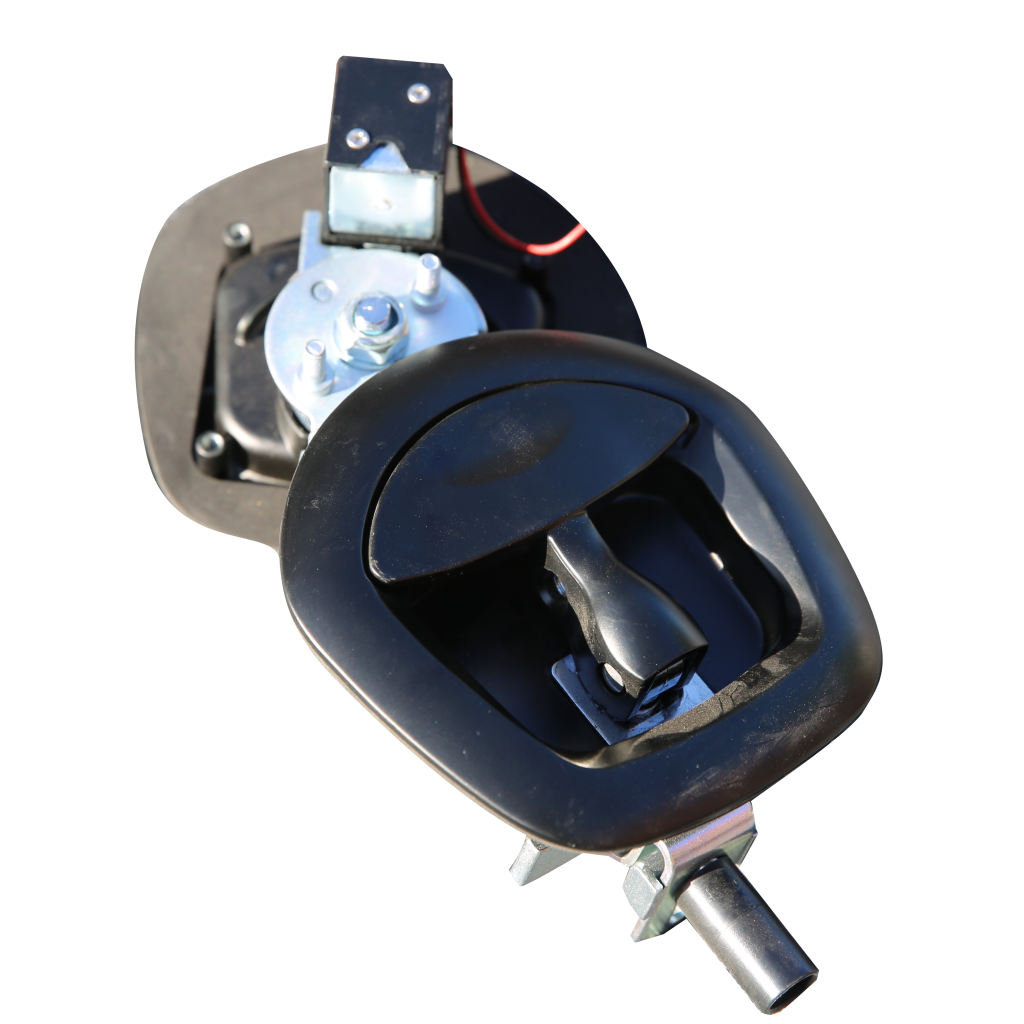
Once the canopy is installed, carry out a careful stationary inspection before loading it for work or touring. Operate each canopy door and lock, then check tailgate access. Look for movement, visible fitment issues or contact with nearby vehicle features and accessories. Address anything that obstructs access or appears out of place before using the setup.
- ☐ Doors and locks: Check that each operates without obstruction.
- ☐ Tailgate and access: Confirm they open and close as intended.
- ☐ Surrounding areas: Look for movement, contact points or visible fitment concerns.
- ☐ Planned load: Recheck the complete loaded setup against vehicle information before carrying gear.
An unloaded inspection isn’t the final load check. The canopy, its contents and other accessories all form part of the setup you’ll carry.
Keep a record of the finished setup
Update your notes after fitment. Keep final measurements, fitment details and accessory information with the vehicle records. Add clear photographs of the installed canopy and nearby components, and note changes that could affect access, clearance or load. These records give you a useful reference if the setup changes later.
A careful record turns this ute canopy fitment guide into a working checklist rather than a one-off read. The aluminium canopy and tray options provide a useful reference as you consider your setup.
Choose a Canopy Fitment That Suits Your Ute and Its Work
A suitable canopy fitment starts with verified vehicle details, not appearance alone. Match the canopy to your ute’s make, model, year and tray or tub, then consider how you’ll use the vehicle and the load you’ve recorded. That gives you a practical basis for choosing a setup for trade work, touring or a mix of both.
Use your fitment notes as a clear brief. Prioritise what the setup needs to do: carry the right gear, provide usable access and avoid clearance issues. A configuration that looks right but misses those requirements may frustrate you every time you load up.
Turn your checklist into a clear fitment brief
Bring together your vehicle identification, measurements, accessory details and intended use. Highlight the requirements that will shape the layout. For example, frequent access to tools may call for a different door arrangement from a setup where bulky touring gear is packed for less frequent use. Keep storage priorities, clearance needs and load information visible in the brief.
If you’re planning to replace the tray and canopy as a combined setup, the ute tray and canopy combo guide can help you consider how the components work together. Your recorded vehicle details remain the reference point for assessing the configuration.
- Vehicle match: Use the exact vehicle and tray or tub details, not assumptions based on a similar variant.
- Work or touring needs: Set out the equipment you’ll carry and which items need quick access.
- Fitment priorities: Identify mounting, door and tailgate clearance requirements.
- Load plan: Keep the intended contents and vehicle load information in view as you settle on the setup.
Explore a canopy setup built around your requirements
Chivalry Trays and Canopies designs and manufactures aluminium ute canopies, trays and tray-and-canopy combos for Australian vehicles. Its products support trade and touring uses, while custom aluminium fabrication can be tailored to project dimensions and specific layout requirements. A precise brief helps connect those requirements to a practical configuration. For more on comparing construction, layouts and fit, see this aluminium ute canopy buying guide.
Not every ute needs a fully custom setup. Use your verified measurements and priorities to weigh up an aluminium canopy, a tray-and-canopy combo or tailored fabrication. Keep the decision grounded in vehicle compatibility, access and recorded load needs.
Use this ute canopy fitment guide as your final check before settling on a configuration. Explore Chivalry canopy options for a setup suited to your ute and its work.
Take the Next Step Towards a Work-Ready Setup
Your fitment notes are a practical starting point for choosing a canopy that supports the way you use your ute. Keep them close as you compare configurations, and settle any unresolved vehicle-specific details before moving ahead. Careful planning helps you avoid compromises in access, storage or load planning.
Use this ute canopy fitment guide when turning your requirements into a clear brief. Chivalry designs and manufactures aluminium ute canopies, trays and tray-and-canopy combos for Australian vehicles, with custom aluminium fabrication tailored to project requirements. Compare these options with your recorded dimensions, layout priorities and intended use.
Explore Chivalry canopy options and choose a setup that fits the work ahead.
Frequently Asked Questions
Will a ute canopy fit any tray or tub?
No, a canopy isn’t automatically compatible with every tray or tub. The footprint, mounting arrangement, edges and available clearance vary between vehicles and tray setups. A canopy base may overhang or sit against an obstruction even if its overall width seems close. Compare the specific canopy dimensions with the actual supporting surface, and consider whether a vehicle-specific tray-and-canopy combo is a better match.
What measurements do I need for a ute canopy fitment?
Measure the usable tray or tub length and width, mounting locations, canopy height, and clearances around the cab, tailgate and access points. Check the tray’s front and rear widths separately rather than assuming they match. If the footprint appears irregular, compare diagonal measurements to help spot differences. Record each measurement with its reference points and units so the figures are clear when comparing configurations.
Can I fit a canopy to a dual-cab ute?
Yes, a dual-cab ute can take a canopy if the canopy and supporting tray or tub suit that vehicle’s configuration. Cab style alone doesn’t establish fitment: tray dimensions, mounting points and clearance behind the cab matter too. Pay particular attention to the gap between the canopy and cab, including rear-window access and nearby fittings. Use the exact model year and body details when assessing compatibility.
Does a canopy affect a ute’s payload or axle loads?
Yes. The canopy uses some of the vehicle’s carrying capacity, leaving less available for occupants, tools, touring gear and other accessories. Load position also matters, so the total weight isn’t the only figure to consider. Check the vehicle manufacturer’s GVM and axle-load information for your exact variant, then account for the canopy and the equipment you plan to carry.
What should I check before fitting a canopy to my ute?
Start with this ute canopy fitment guide: confirm the exact vehicle and tray details, compare the usable footprint with canopy dimensions, and check the mounting area for interference. Then consider door and tailgate operation, intended access, planned accessories and the fully loaded vehicle limits. Keep unresolved measurements or variant-specific details visible in your notes. A canopy’s physical fit doesn’t prove that the complete setup is suitable.
Can I open the tailgate and canopy doors after fitment?
The tailgate and canopy doors should operate without obstruction, but this depends on their position and surrounding equipment. A door may contact a rack or open into a nearby accessory, while the canopy edge may restrict tailgate movement. Check the full opening and closing range while the vehicle is stationary. Test each access point separately, including locks and handles.
Do I need to account for accessories when checking canopy fitment?
Yes. Existing and planned accessories can affect mounting space, clearance, access and total vehicle load. Include items such as racks, sports bars, tie-downs, toolboxes, towbar equipment and lights in your fitment notes. An accessory that doesn’t touch the canopy when closed could still obstruct a door or tailgate as it opens. Assess the arrangement as a complete setup, rather than considering each part in isolation.