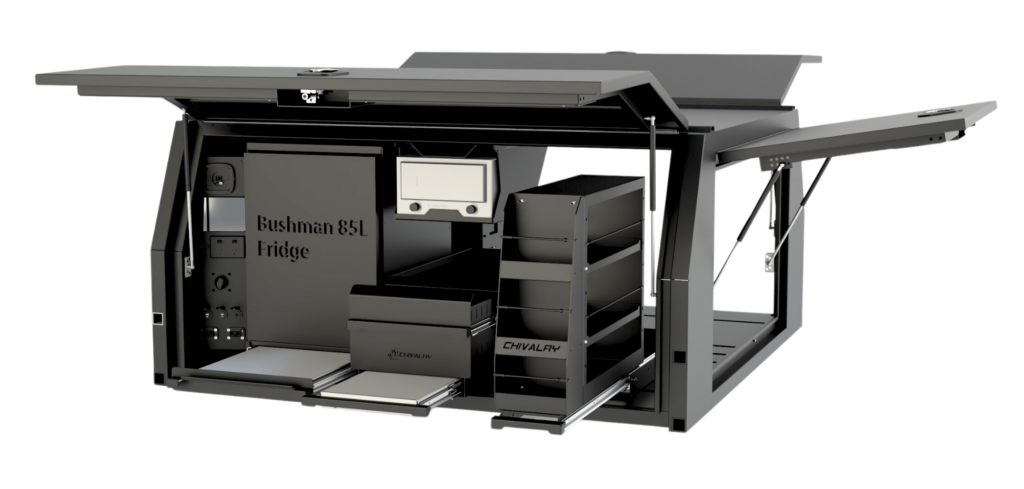
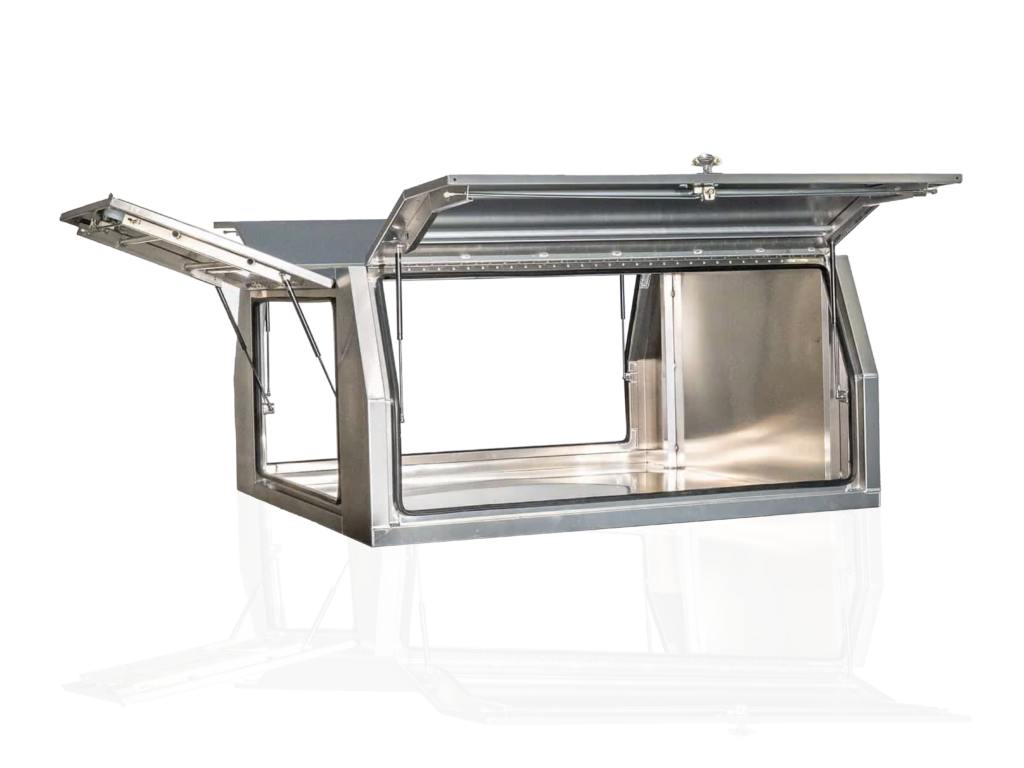
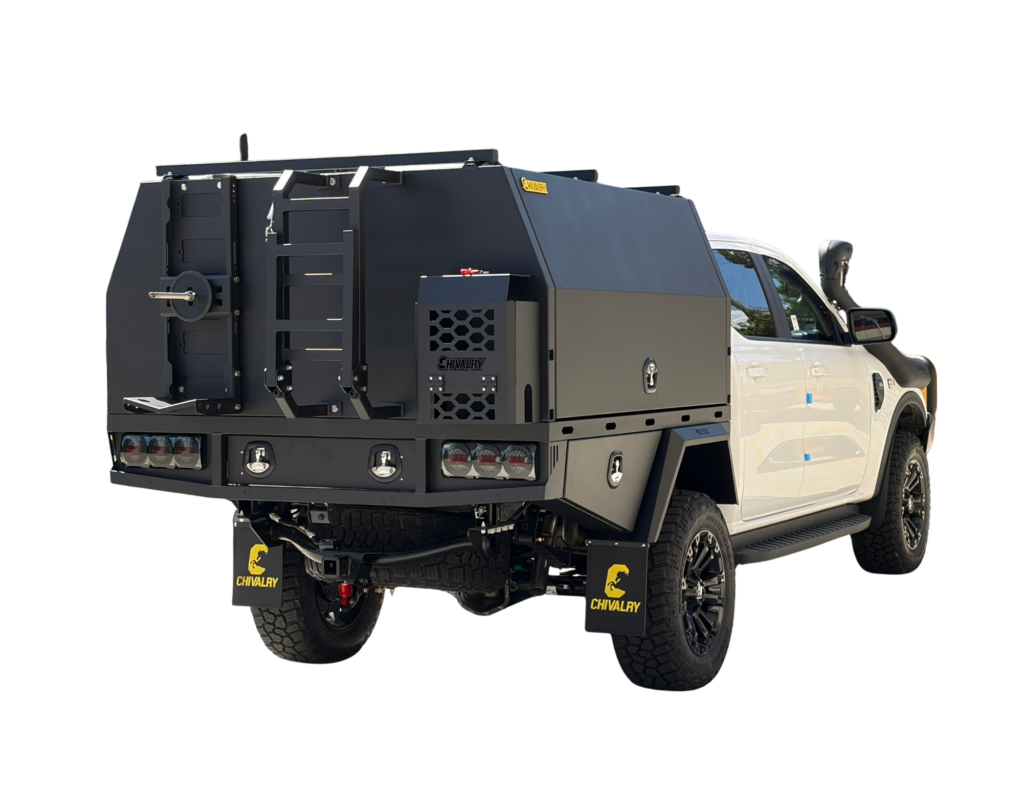
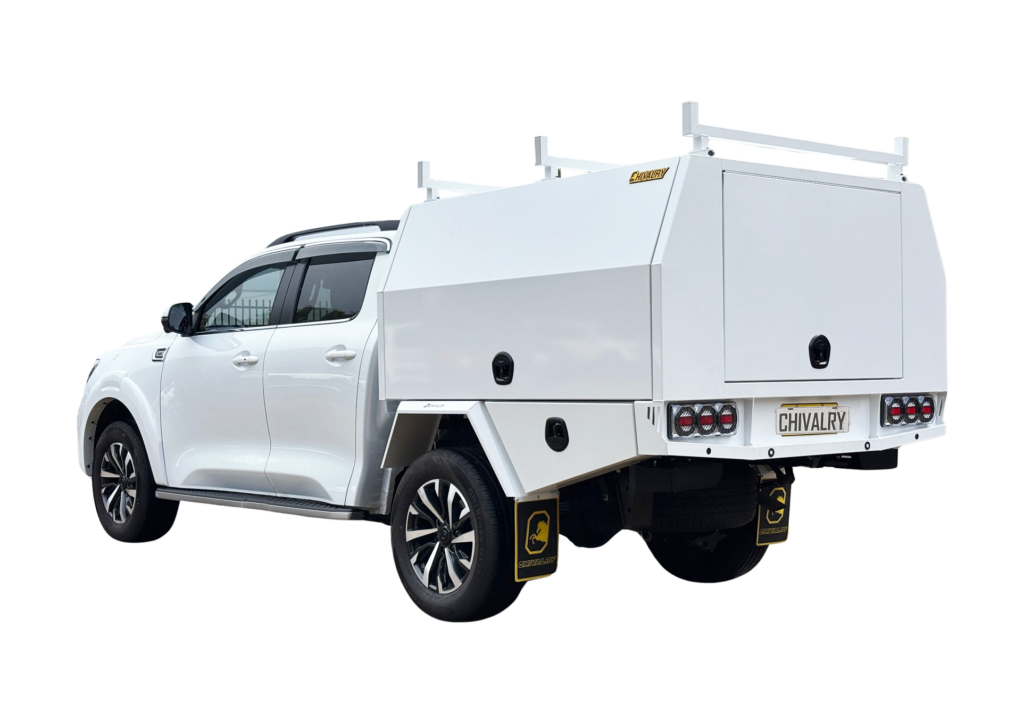
What if the tray that saves weight still isn’t the right fit for your ute? An aluminium ute tray can help keep more of your vehicle’s payload available for tools, touring gear or other equipment. But material is only one part of the decision. Fit, layout and the weight of everything you carry matter too.
If your ute works on site or heads off-road fully loaded, weigh durability against practical benefits. Aluminium’s lower weight can be a drawcard, but the right choice depends on your vehicle, regular loads and driving conditions. Think of the tray as part of the complete vehicle setup, not a standalone purchase.
This guide explains what an aluminium tray can offer, where its limitations may matter and which vehicle and load details to consider before choosing one for work or touring. You’ll also learn how Chivalry designs and manufactures aluminium trays and provides custom fabrication to suit vehicle specifications and practical requirements.
Key Takeaways
- Match an aluminium ute tray to the work, touring gear and cargo you carry, not just the material.
- Look beyond aluminium or steel labels. Construction, finish, design and documented ratings all affect suitability.
- Check your vehicle’s official documentation and account for the tray, accessories, passengers and cargo when planning payload and axle loads.
- Inspect the tray and its finish regularly, especially after demanding work or off-road use.
- Chivalry designs aluminium ute trays and provides custom fabrication to suit vehicle specifications and practical work or recreational needs.
What an aluminium ute tray does for work and touring
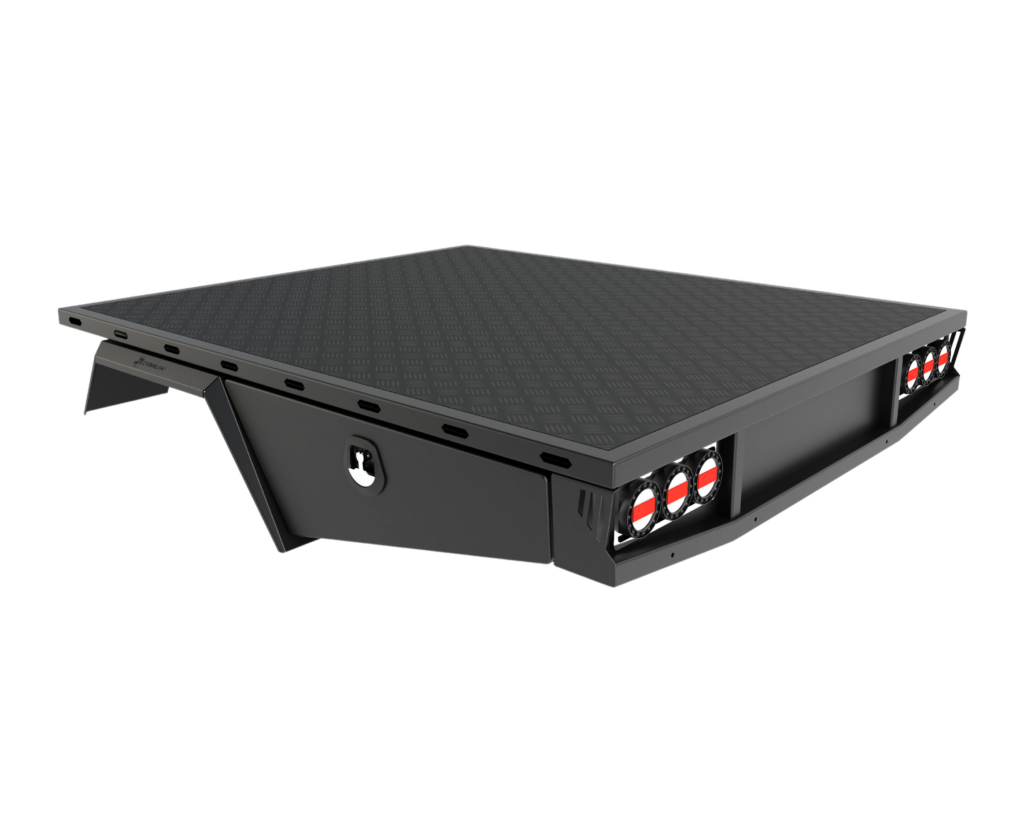
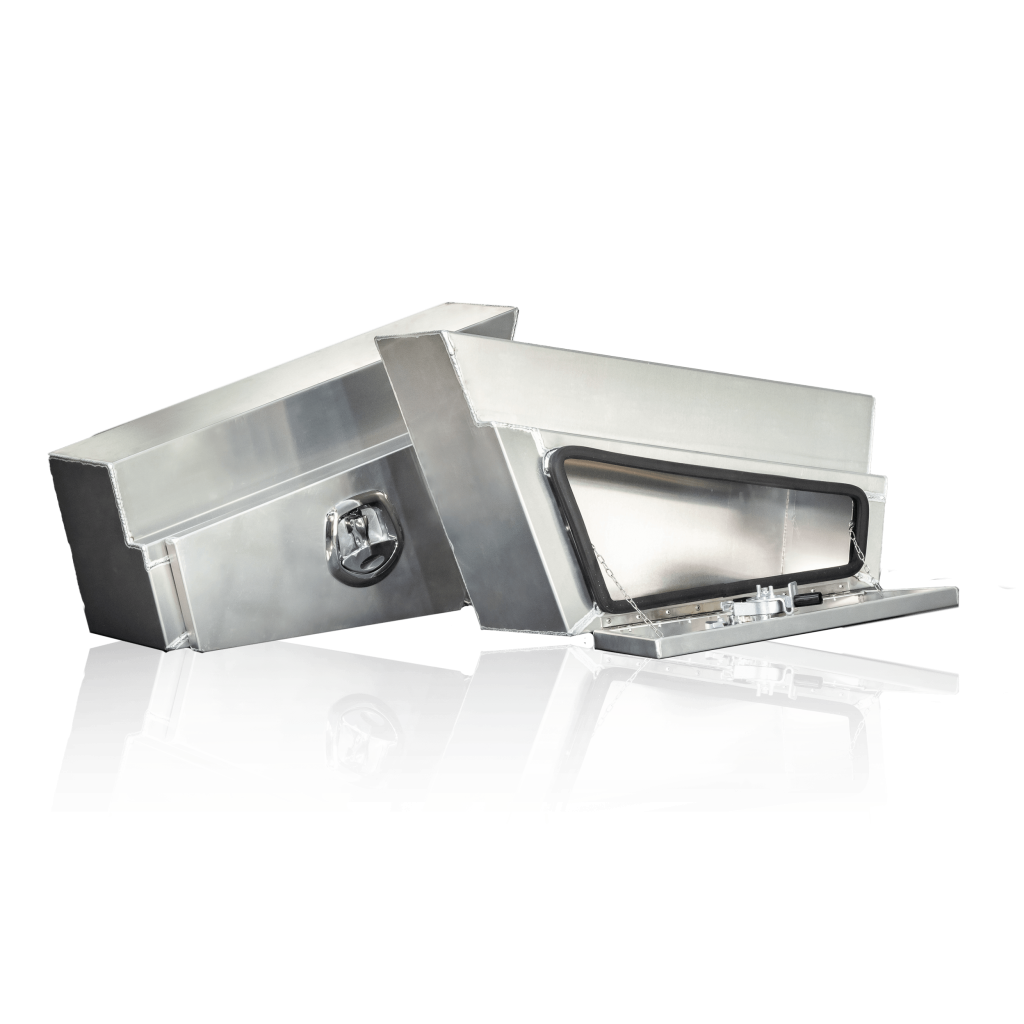
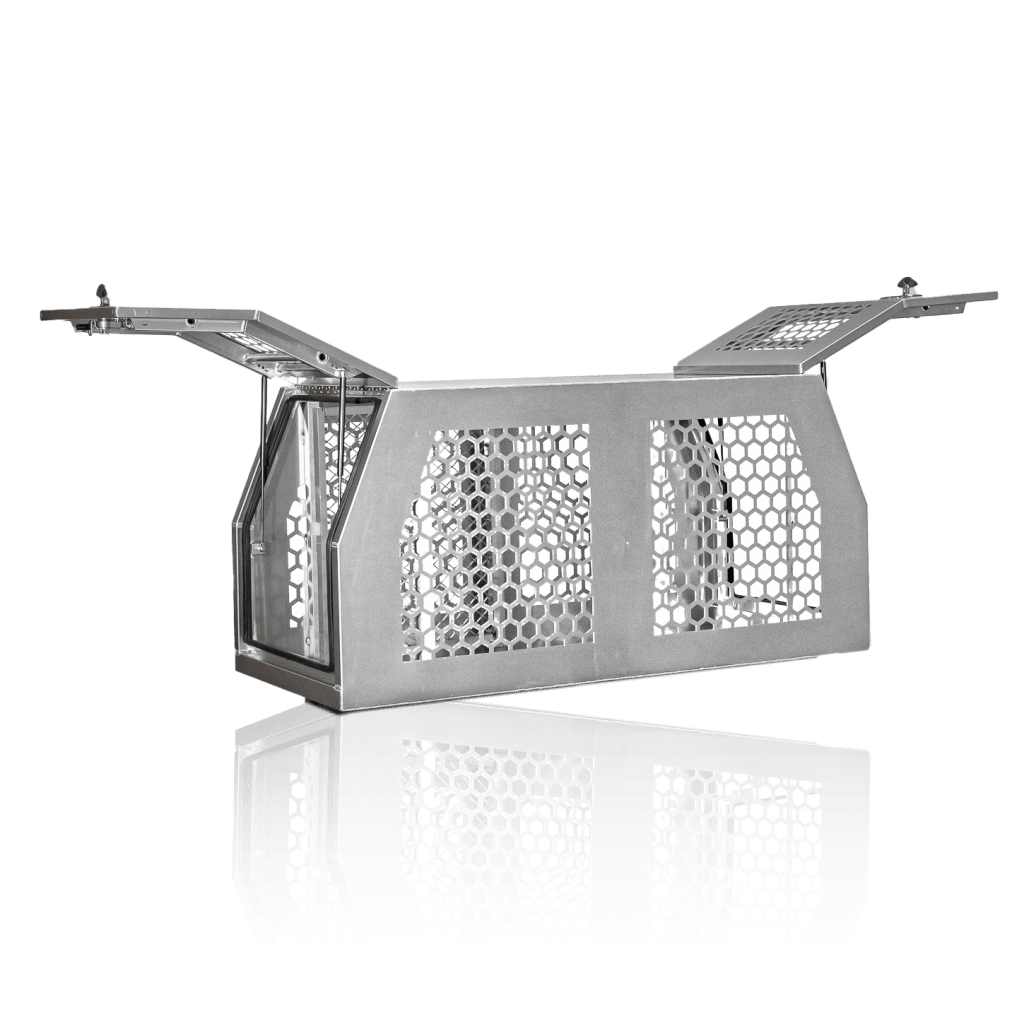
A ute tray is the load-carrying platform fitted behind the cab. An aluminium ute tray is made primarily from aluminium, but that label doesn’t tell you how the tray is braced, joined, finished or laid out. These construction details affect how it fits your vehicle and suits the loads you carry.
Utes are used for a wide range of jobs and trips across Australia. A tray might carry tools between work sites, general cargo for everyday tasks or touring equipment for travel beyond sealed roads. If you’re new to the terminology, What is a ute offers background on the vehicle and how the term is used.
What makes a ute tray an aluminium tray?
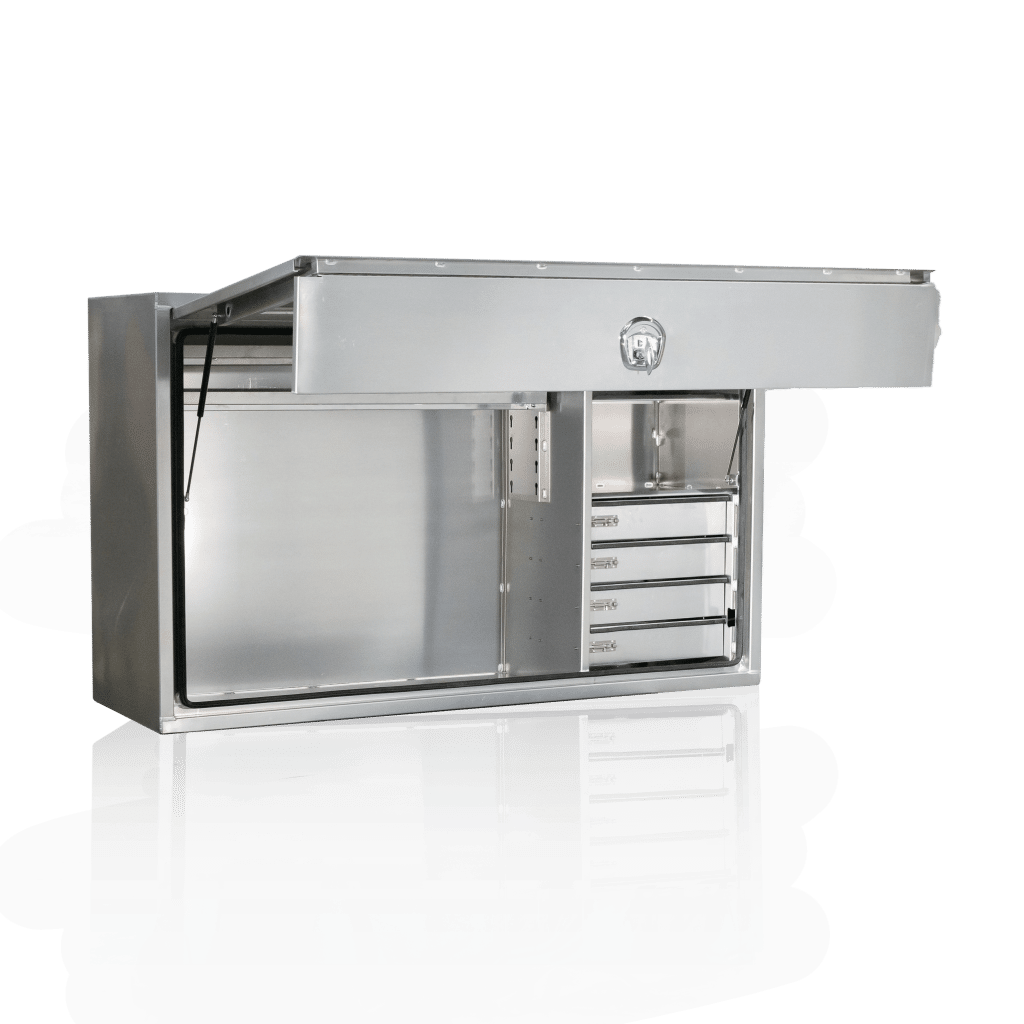
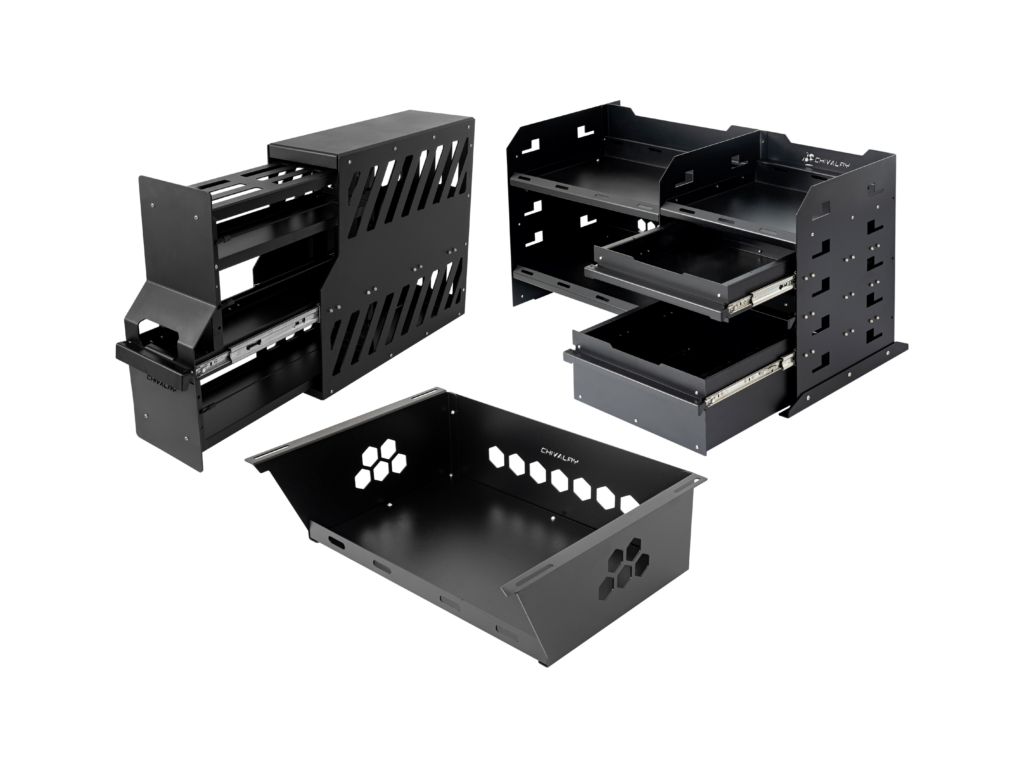
The tray’s panels and structural components are made primarily from aluminium. Products can still differ in construction, layout and specifications. Some designs combine different components or include storage and other features, so check the complete tray rather than assuming they’re all built the same way.
The tray also needs to suit the vehicle it’s being mounted to. Cab and chassis configuration, tray dimensions, mounting points and intended layout all influence how the finished setup works. A tray designed around one vehicle shouldn’t be treated as a universal fit.
Where aluminium trays fit into Australian ute use
Start with the day-to-day job. A tradie carrying tools and materials may need an accessible deck and a layout that works with their gear. A touring setup may need space for camping equipment and accessories. General cargo use may call for an open platform that handles varied loads.
Those needs can point to different tray layouts, even when the vehicles use the same material. Consider what you carry most often, how it’s loaded and secured, and whether the ute also needs to serve another purpose. A work vehicle that tours on weekends has different demands from one set up for a single task.
Start with your vehicle and its intended use, then assess the tray as part of the complete setup. Include planned storage and accessories, since they affect the space and payload available for cargo. Suitability comes down to the match between vehicle, tray design and actual use, not material alone.
Aluminium ute tray benefits and trade-offs to understand
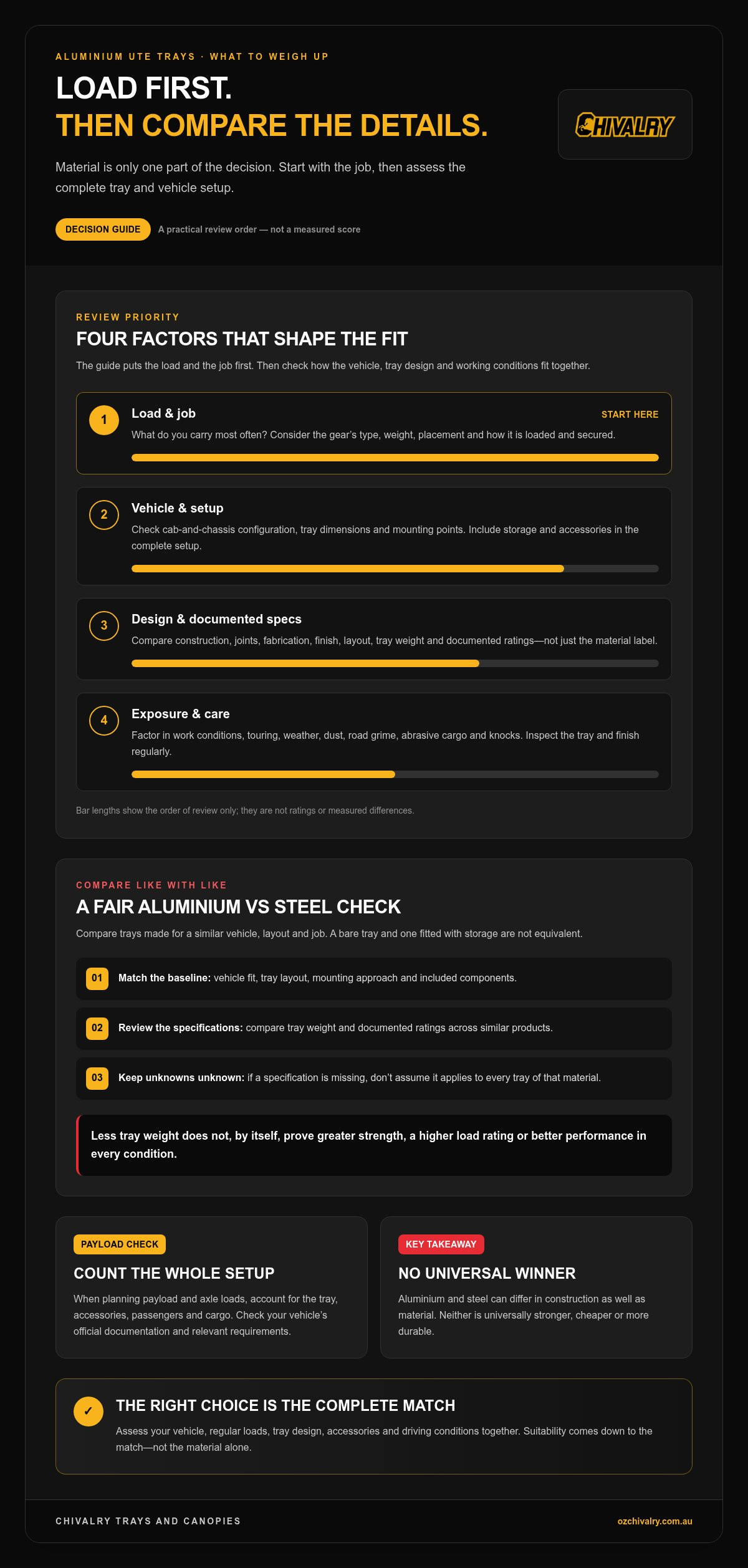
An aluminium tray can be a practical choice when keeping the vehicle’s overall setup lighter is a priority. But material alone won’t tell you how a tray will handle daily loading, rough access tracks or exposure to the elements. Build details and the load the tray is designed to carry matter too.
There’s no automatic answer to the aluminium-versus-steel debate. Compare complete products with similar layouts and intended uses, then review their documented specifications. Comparing a basic tray with one fitted with storage won’t show what the material itself contributes.
How material and construction influence everyday performance
Panels are only part of the picture. The tray’s structure, joints, fabrication, mounting and finish all affect how the finished product suits its job. A work ute carrying gear over uneven access roads faces different demands from a vehicle mainly used for general cargo on sealed roads.
An aluminium ute tray may weigh less than a comparable steel option, but the actual difference depends on each tray’s design and fitted components. Less tray weight doesn’t prove greater strength, a higher load rating or better performance in every condition. Compare like-for-like product specifications, including tray weight and documented ratings, rather than relying on the material label.
Finish also deserves attention. Dust, moisture, road grime, abrasive cargo and knocks can affect a tray’s condition. Consider its construction and finish alongside the exposure it will face. Material choice is one part of the decision, not a substitute for checking the whole product.
Which trade-offs should owners weigh?
Start with the load and the job. If carrying capacity is a concern, compare the tray’s weight as part of the complete vehicle setup, including storage and accessories. The National Heavy Vehicle Regulator’s guidance on vehicle payload and legal limits covers mass and loading requirements within its remit. For your ute, use the relevant vehicle documentation and requirements.
- Load: Consider the type, weight and placement of the gear you carry.
- Exposure: Factor in work conditions, touring use, weather and regular cleaning or inspection.
- Design: Compare construction, finish, layout and documented ratings across like-for-like trays.
- Setup: Account for the vehicle, mounting and accessories fitted alongside the tray.
Aluminium and steel trays can differ in construction as well as material. Neither is universally stronger, cheaper or more durable. Choose based on your actual requirements, then compare Chivalry’s aluminium ute trays and custom fabrication, designed around vehicle specifications and work or recreational needs.
Aluminium vs steel ute trays: compare the details, not the label
A fair comparison starts with two trays designed for a similar vehicle, layout and job. A bare tray and one fitted with storage aren’t equivalent, even if they use different materials. Compare the full specifications and intended operating conditions before weighing up the material choice.
What should a fair aluminium and steel comparison include?
Set the same baseline: vehicle fit, tray layout, mounting approach and included components. Then compare the manufacturer’s documented details. If a specification varies or isn’t provided, treat it as unknown rather than assuming it applies to every tray made from that material.
| Comparison point |
What to compare |
| Construction |
Materials used across the tray, structural design, joints and fabrication. These details vary by product. |
| Specifications |
Tray weight, documented ratings, dimensions and mounting requirements for the intended vehicle. |
| Finish and upkeep |
Specified finish, care instructions and the effect of the vehicle’s regular exposure and use. Don’t assume upkeep needs are identical across products. |
| Application |
Manufacturer-stated intended use, such as carrying work gear, general cargo or touring equipment. |
Design and documented ratings tell you more about a tray’s suitability than the material name on its own. For background on the specialist knowledge involved in aluminium panel repair, the Australian Government’s vehicle body repair standards unit outlines relevant vocational training. It’s a repair reference, not a rating or performance comparison for ute trays.
Does lighter automatically mean better?
No. Tray weight is one part of the vehicle’s total setup. Passengers, cargo, accessories and load distribution also count. A lighter tray may leave more of the vehicle’s available payload for other items, but it doesn’t change the vehicle’s specified limits or prove the tray is more suitable for your work.
Check the handbook or manufacturer data for the vehicle’s applicable mass and axle-load ratings. Then account for the complete fitted setup and the loads you plan to carry. Don’t compare a tray’s weight in isolation with a rating that applies to the whole vehicle.
Practical rule: Compare equivalent trays against the same vehicle and task. Review specifications, fit and intended use together. Explore Chivalry’s aluminium ute trays for a vehicle-specific work or touring setup.
How to check payload, fit and care for an aluminium ute tray
A sound tray setup starts with the vehicle’s ratings, not a guess based on how much room is available on the deck. Check the figures for your specific ute, plan the complete load and inspect the tray as part of regular vehicle care. Use this checklist before fitting a tray and revisit it whenever your setup changes.
- Confirm vehicle details. Identify the exact model and configuration, then consult the handbook or manufacturer documentation for applicable vehicle, payload and axle-load ratings.
- Account for the full setup. Include the tray, occupants, accessories and cargo in your load planning. A canopy, toolbox or touring equipment adds weight too.
- Plan load placement. Consider where heavier items sit on the tray, how they’re secured and how the arrangement affects the vehicle. Don’t assume a load is suitable just because it fits.
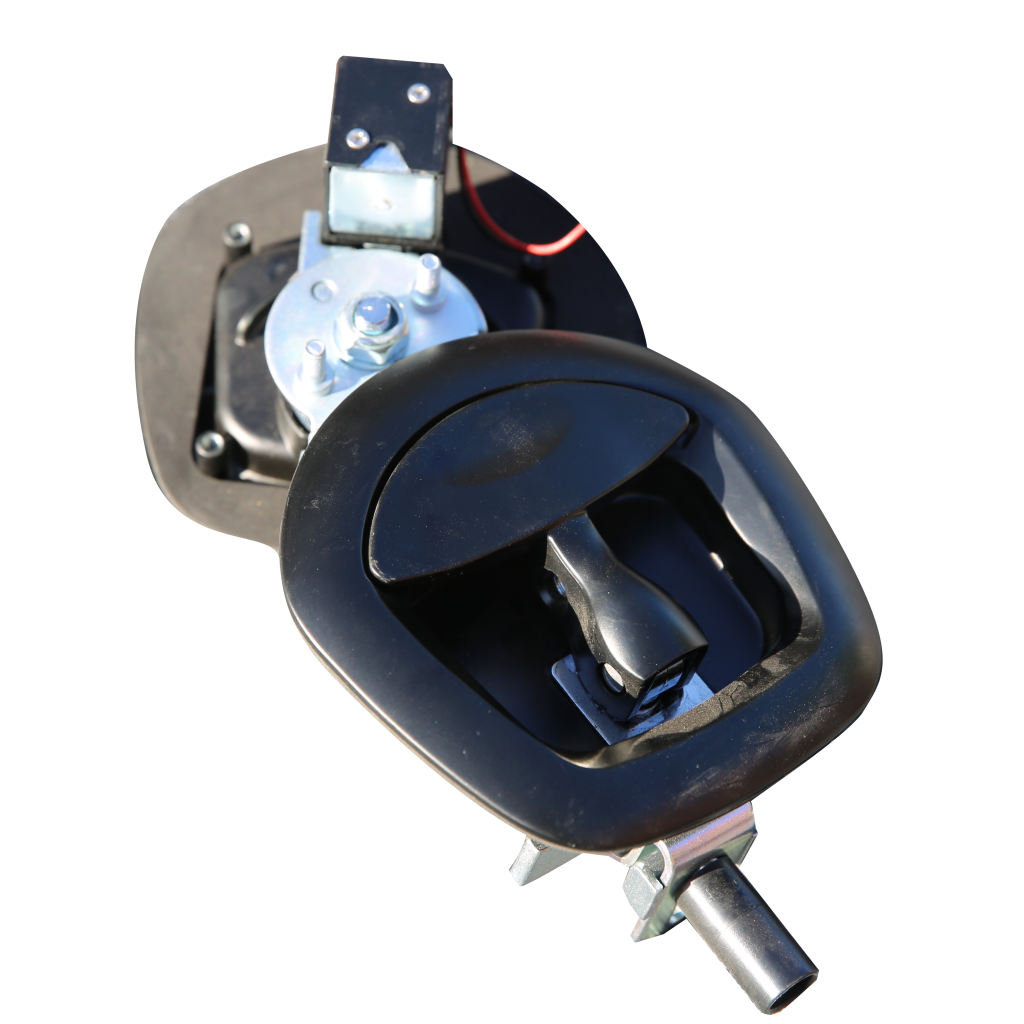
- Check fit and condition. Review the tray’s fitment details and inspect it regularly, including after demanding use or a change to the load or accessories.
Check vehicle ratings before planning a tray load
Payload and axle-load limits are specific to the vehicle. Use its official documentation rather than generic figures, and account for everything carried or fitted. If the setup changes, reassess the total load and its distribution instead of relying on an earlier estimate. A tray’s own specifications don’t replace the vehicle’s limits.
Before modifying a vehicle or changing its load-carrying setup, check the current Australian requirements that apply in your state or territory. Requirements can depend on the vehicle and the nature of the change, so don’t rely on a general rule of thumb.
Keep the tray ready for regular use
Make visual checks part of your routine. Look for damage, signs of wear and loose fittings. Pay particular attention after rough tracks, heavy work or an impact, and inspect the load and its restraints before heading out again.
Follow the tray manufacturer’s cleaning and maintenance instructions for product-specific care. General checks can help you spot changes, but they don’t replace those instructions. If you add accessories, alter the load or notice a change in fit, review the setup before returning to regular use.
Chivalry designs aluminium ute trays and provides custom fabrication around vehicle specifications and work or recreational requirements. Explore tailored aluminium ute tray options for a setup planned around your vehicle and how you use it.
Is a Chivalry aluminium ute tray right for your setup?
The right tray starts with the vehicle and the job. Material matters, but it’s only one part of the decision. Fit, layout, payload and the way you use the ute should guide your choice. An aluminium ute tray may suit your plans, but its value depends on how the complete setup works day to day.
Match the tray decision to the job
For trade use, map out the equipment you carry and how you need to reach it during the workday. Consider whether the layout supports regular loading and unloading, and how storage needs fit alongside the main tray space.
For touring, plan around the equipment you intend to take and the rest of the vehicle setup. Accessories and cargo all contribute to the total load, so factor them in alongside the tray. In either case, use vehicle fit and documented specifications to assess suitability. A finish or appearance you like is a bonus, not a substitute for verified details.
Explore a tray built around your requirements
Chivalry designs and manufactures aluminium ute trays and provides custom aluminium fabrication for Australian vehicles. Tray layouts and fabrication can be tailored to vehicle specifications and work or recreational requirements. This lets you consider how the deck, storage and other parts of your setup should work together, rather than assuming one configuration suits every ute or task.
Before settling on a design, clarify your priorities: the vehicle’s configuration, the gear you carry, the access you need and the load limits in its official documentation. Then compare the tray’s documented specifications against those requirements. This keeps the decision grounded in fit and function, rather than broad assumptions about aluminium or steel.
If your setup needs a tray planned around both the vehicle and its intended use, explore Chivalry’s aluminium ute trays and custom fabrication.
Choose a tray that’s ready for the job
The right tray choice comes down to more than aluminium or steel. Compare similar designs and documented specifications, then match the tray to your vehicle, regular loads and intended work or touring use. A lighter tray alone doesn’t prove it’s the best fit.
Check your vehicle’s official payload and axle-load information before planning the full setup. Include passengers, accessories and cargo, and maintain the tray with routine inspections and the manufacturer’s care instructions. These steps help you decide based on the complete vehicle, not just the tray material.
Chivalry designs and manufactures aluminium ute trays, with custom aluminium fabrication tailored to vehicle and task requirements. To explore a setup built around how you use your ute, view Chivalry’s aluminium ute trays and consider your vehicle’s needs and the work ahead.
Frequently Asked Questions
Are aluminium ute trays strong enough for work use?
Yes, an aluminium ute tray can suit work use when its construction, documented ratings and fit match the loads and conditions. Material alone doesn’t establish capacity or durability. Check the tray’s specifications and mounting details, then assess regular loads such as tools, materials and equipment against your vehicle’s payload and axle limits. For demanding work, compare complete tray designs rather than assuming either material is automatically right.
Is an aluminium ute tray lighter than a steel tray?
Often, but not always. An aluminium tray may weigh less than a comparable steel tray, but the actual difference depends on construction, dimensions and fitted components. Compare manufacturer-stated weights for trays with a similar layout and vehicle fit. Don’t treat material alone as a weight rating or assume the difference translates directly into extra usable payload. The full vehicle setup and its limits still apply.
Can an aluminium ute tray rust?
Aluminium doesn’t develop iron-oxide rust in the same way steel can, but it isn’t immune to corrosion or surface damage. Exposure, finish and construction affect how it holds up. Keep the tray clean and follow its manufacturer’s care instructions. Inspect the surface and fittings regularly, especially after demanding work or touring, and address any damage in line with the maintenance guidance.
How do I know whether an aluminium ute tray will fit my vehicle?
Check the tray’s fit details against your exact vehicle, including its model, year, cab and chassis configuration, and mounting requirements. A tray designed for one ute version may not suit another. Compare dimensions and mounting information with the vehicle documentation, and account for storage or accessories in your planned layout. Chivalry designs trays and custom fabrication around vehicle specifications and practical requirements.
Will fitting an aluminium ute tray affect my payload?
Yes. The tray’s weight contributes to the vehicle’s total load, alongside occupants, accessories and cargo. Check your handbook or manufacturer documentation for the vehicle’s applicable payload and axle-load limits, then consider the complete fitted setup and how its load is distributed. Don’t rely on a generic payload figure or assume a lighter tray removes the need to stay within the vehicle’s specified limits.
How do I maintain an aluminium ute tray?
Follow the tray manufacturer’s cleaning and maintenance instructions, as care can vary between products. Make routine visual checks for damage, wear and loose fittings. Inspect the tray and its load after demanding work, rough travel or changes to the setup. Regular checks help you spot issues early, but they don’t replace product-specific care guidance or the vehicle manufacturer’s instructions.
Is an aluminium ute tray suitable for touring as well as trade work?
It can suit either use, provided the tray layout, vehicle fit and documented specifications match your plans. For trade, consider the equipment you carry and how you access it. For touring, plan around your camping gear, accessories and total load. Chivalry designs aluminium trays and provides custom fabrication for work and recreational requirements, so the setup can be planned around the vehicle and intended use.