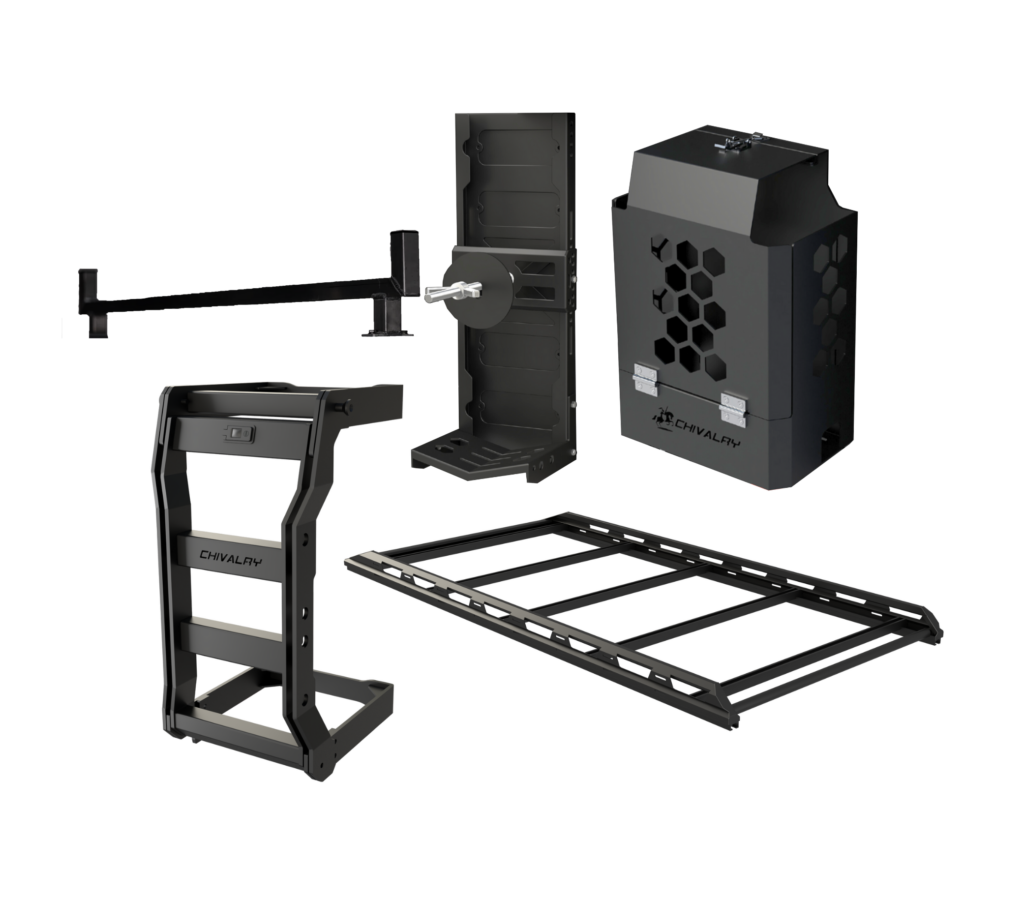
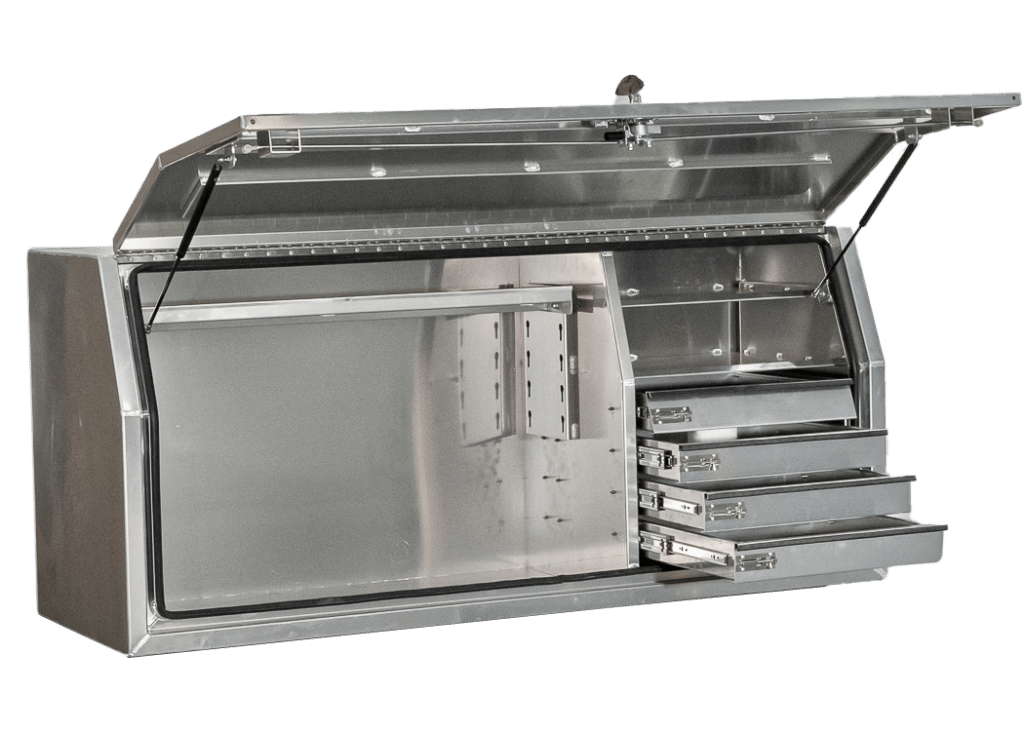
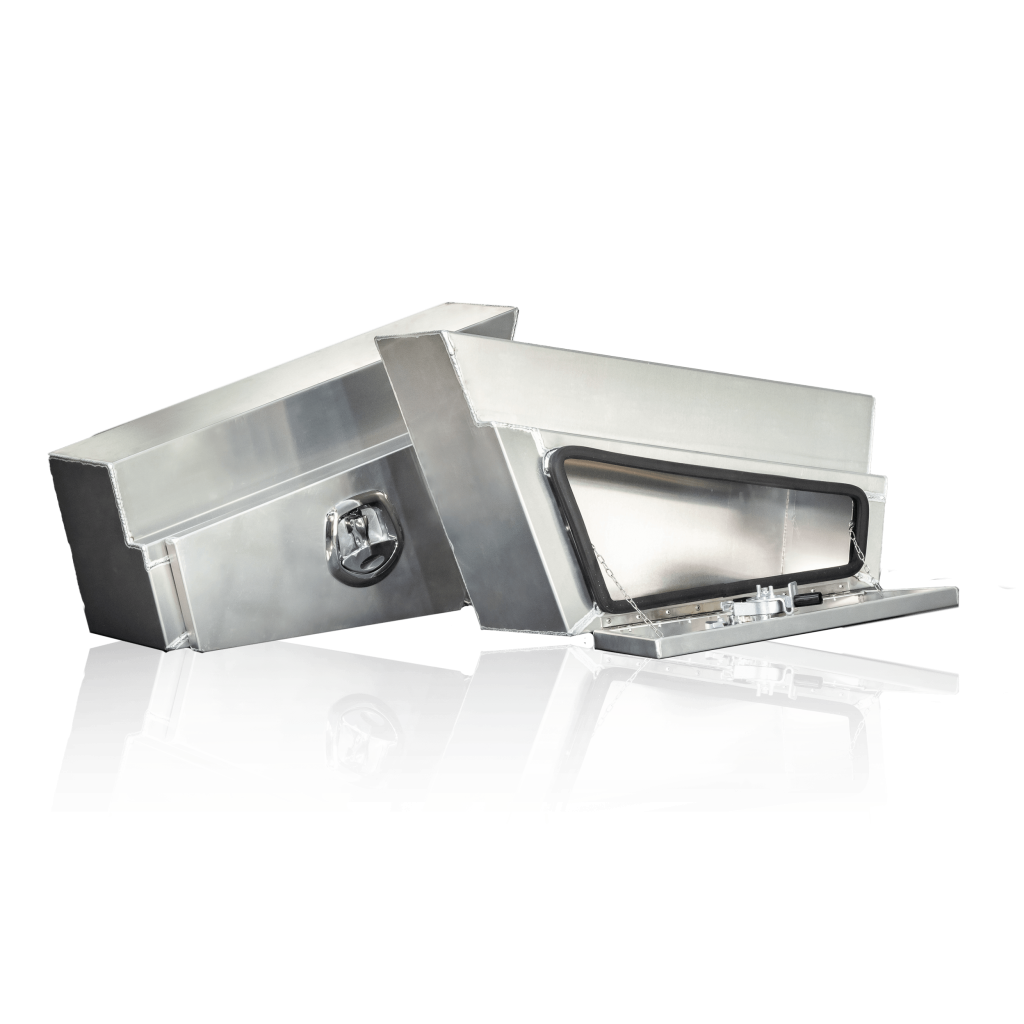
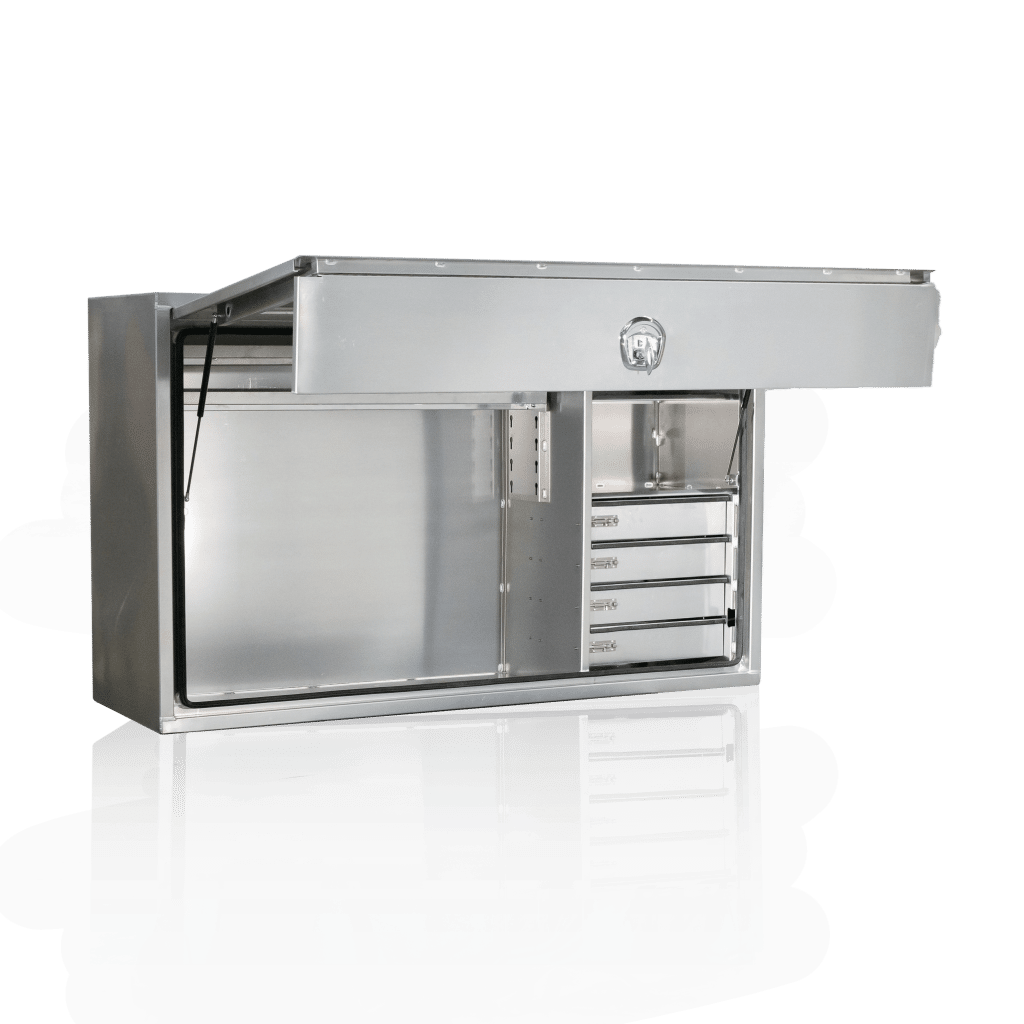
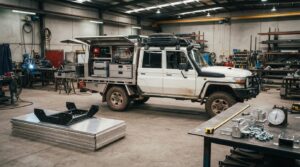
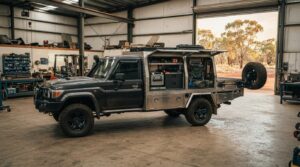
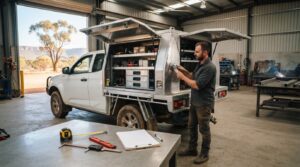
What if the toughest-looking canopy is the wrong one for your ute? A heavy duty ute canopy needs to suit more than rough conditions. It must fit your vehicle, handle your daily workload and provide practical storage without pushing your setup beyond its limits. If “heavy duty” feels like a vague label, you’re not alone. The right choice depends on how you use your ute, what you carry and where you plan to take it.
This checklist helps you compare canopy options against real-world demands. You’ll know what to assess when comparing construction, security, access, storage, fitment and the weight of your complete setup. We’ll also look at work, touring and mixed-use priorities, so you can focus on features that earn their place. Chivalry designs and manufactures aluminium canopies, tray-and-canopy combos and custom solutions for Australian trade and touring customers. Use the checks below to narrow your options and choose a setup that works with your vehicle, not against it.
Key Takeaways
- Match a heavy duty ute canopy to your actual work, touring and mixed-use needs instead of relying on the “heavy duty” label.
- Assess construction, finish, access and hardware separately. Material alone won’t tell you whether a canopy suits your workload.
- Compare work, touring and mixed-use priorities to see how access, carried gear and future fit-out plans shape the right setup.
- Use a practical checklist to organise your vehicle details, intended load, access needs and storage priorities before choosing a configuration.
- Use Chivalry’s aluminium canopies, including the X1 and X3 series, as a starting point for planning a setup around your vehicle and daily tasks.
What makes a heavy duty ute canopy right for your work?
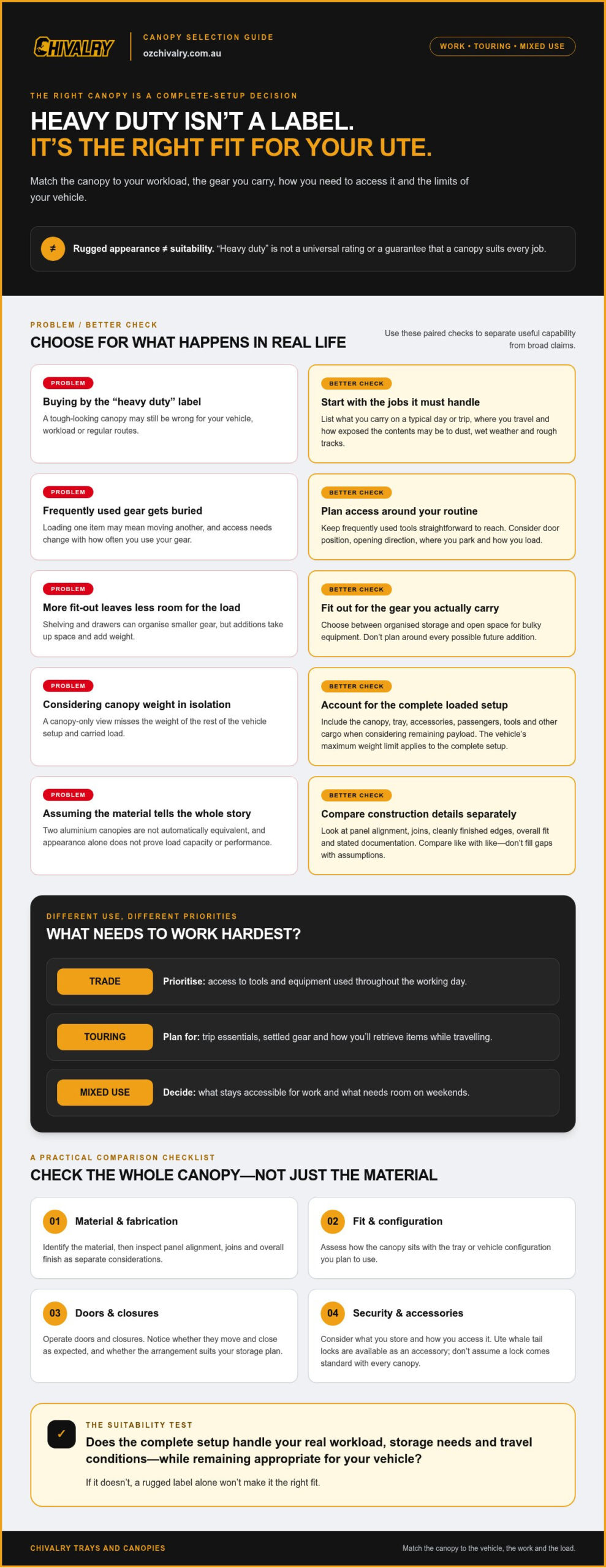
“Heavy duty” isn’t a universal rating or a guarantee that a canopy suits every job. It’s a practical match between the canopy, the vehicle and the conditions you’ll use it in. A heavy duty ute canopy should suit the gear you carry, give you access that works with your routine and handle the demands of your regular routes. The right choice for a tradie loading tools at every stop may differ from a touring setup carrying equipment that stays packed for days.
Start with what the canopy needs to do, not just how rugged it looks. A Camper shell (Ute Canopy) overview explains common canopy uses, materials and their role in protecting and storing cargo. For your own setup, focus on your workload, storage plan and vehicle limits.
Start with the jobs the canopy must handle
Write down what you carry on a typical day or trip. Include tools, parts, work gear, recovery equipment, camping essentials and anything else that takes up space. Then note how often you need each item. Frequently used tools need straightforward access; gear that stays packed can go further out of the way. Think about how you’ll reach everything and whether loading one item means moving another.
Frequency and conditions both matter. A work ute with storage opened throughout the day has different access needs from a touring vehicle carrying a settled load. Dust, wet weather and rough tracks can also shape your priorities. Consider where the ute travels and how exposed its contents may be, then include those conditions in your selection criteria.
- Regular trade use: prioritise access to tools and equipment used throughout the working day.
- Touring: plan space for trip essentials and how you’ll retrieve them while travelling.
- Mixed use: decide what needs to stay accessible for work and what needs room on weekends.
Heavy-duty does not mean one-size-fits-all
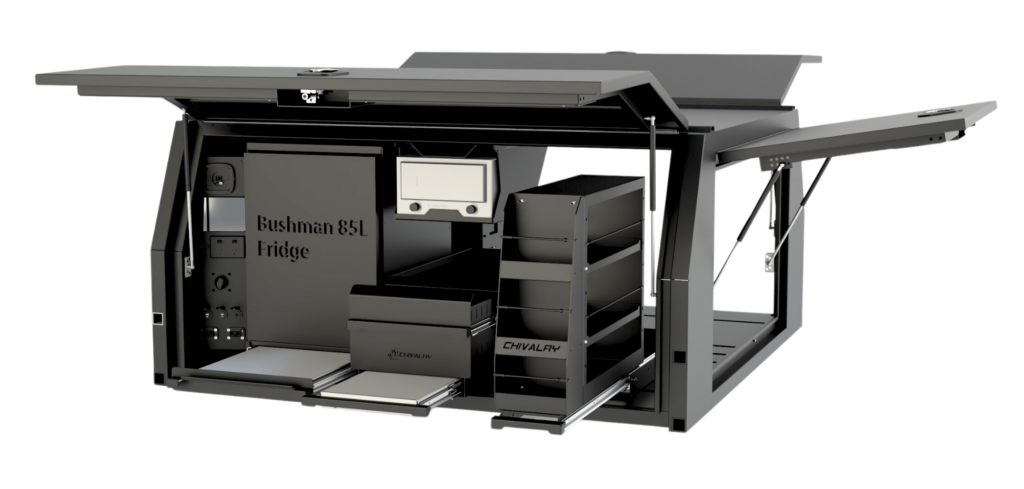
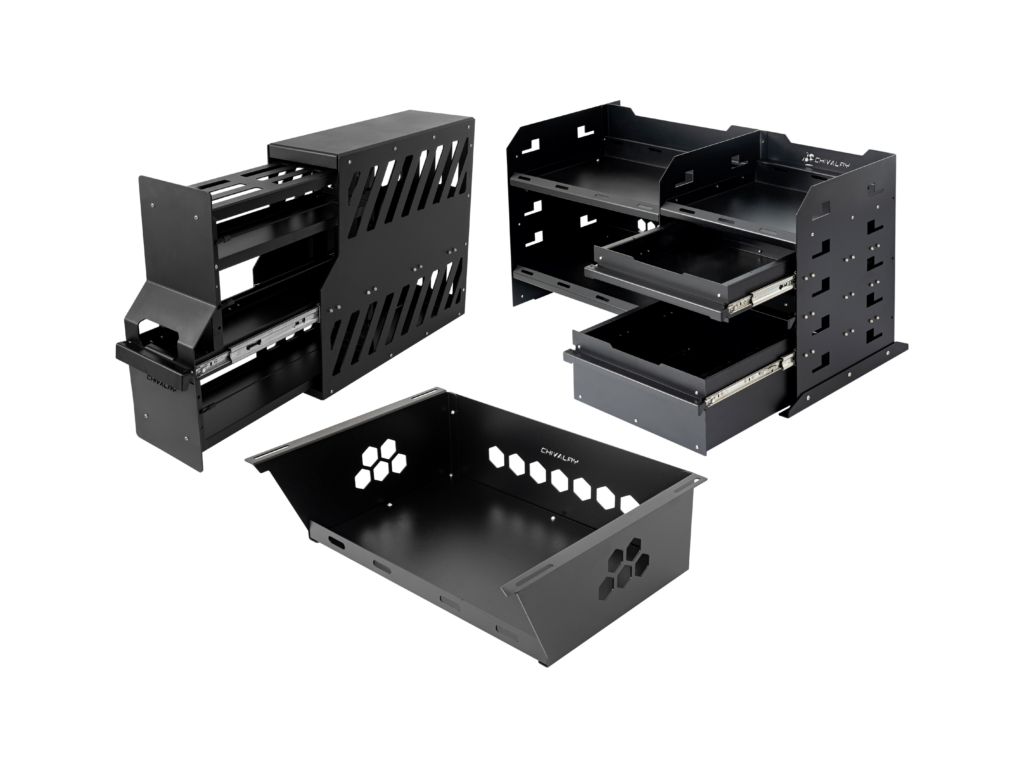
The same canopy can serve different purposes depending on its fit-out and how you use it. Shelving and drawers can organise smaller gear, while open space may suit bulky equipment. But every addition takes up room and adds weight. More storage can make items easier to organise, yet a heavily fitted-out canopy may leave less capacity for the rest of your load. Choose for the gear you actually carry, not every possible future addition.
Match the canopy configuration to your ute’s specifications. Account for the canopy, tray, accessories, passengers, tools and other cargo when considering remaining payload. The vehicle’s maximum weight limit applies to the complete loaded setup, not just the canopy. If you’re planning a substantial fit-out, establish what the vehicle can carry before settling on equipment. A setup that looks capable but leaves too little capacity for daily gear isn’t fit for your purpose.
In short, a suitable heavy-duty setup handles your real workload, storage needs and travel conditions while remaining appropriate for your vehicle. Use that test to separate useful capability from broad marketing language. Suitability comes down to how the complete setup works in practice, not a rugged label alone.
Which canopy construction and hardware deserve a closer look?
A canopy’s material is only one part of its construction. Look at how the panels, joins, doors and hardware come together, then consider whether those details suit the work the canopy will do. Assess a heavy duty ute canopy as a complete setup, not by its material label or a broad durability claim alone.
Assess the canopy’s materials and fabrication
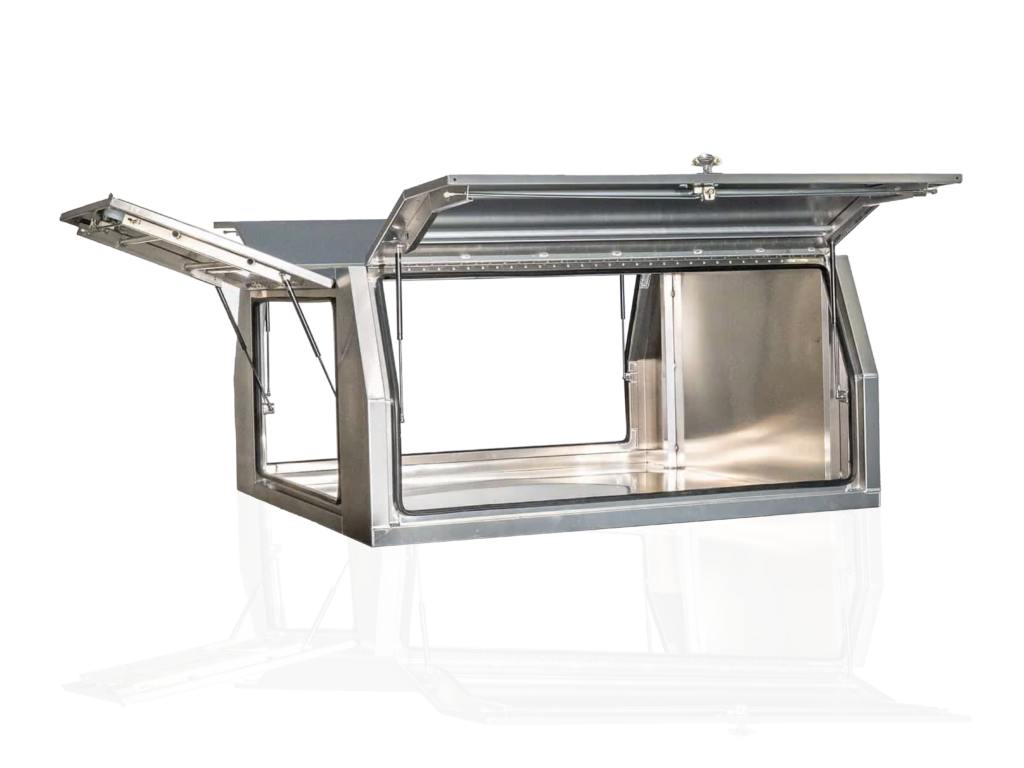
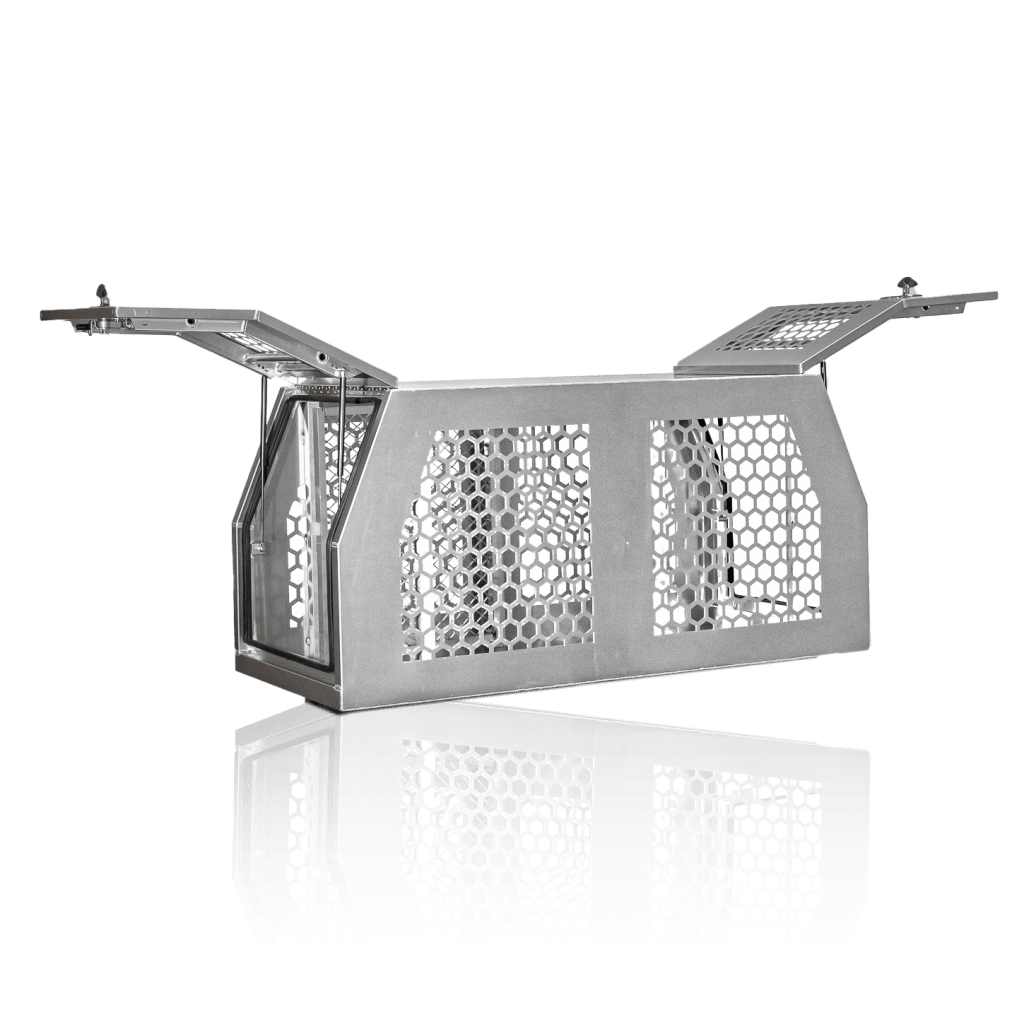
Chivalry’s aluminium ute canopies are made from aluminium, but knowing the material doesn’t tell you how the whole canopy is made or whether its layout suits your gear. Look at the overall fit and finish. Check that panels appear consistently aligned, joins are neat and edges are finished cleanly. These observations won’t establish a technical rating, but they can help you compare visible construction details.
Keep material and fabrication as separate questions. Consider how the canopy’s shape and layout support your intended use, then compare construction details between options. Don’t assume two aluminium canopies are equivalent simply because they share a material category. Likewise, a rugged appearance doesn’t prove a particular load capacity or performance in specific conditions.
- Material: identify what the canopy is made from and consider it in relation to your vehicle and intended use.
- Fabrication: look at panel alignment, joins and the overall finish.
- Fit: assess how the canopy sits with the tray or vehicle configuration you plan to use.
- Documentation: compare stated details on a like-for-like basis, without filling gaps with assumptions.
Check access, closures and everyday operation
Think through a normal workday. Which doors or access points will you use repeatedly? Can you reach frequently needed gear without shifting other equipment? Consider the opening direction and position in relation to where the ute is parked and how you load it. A layout that looks practical in isolation may be awkward if it doesn’t suit your usual work routine.
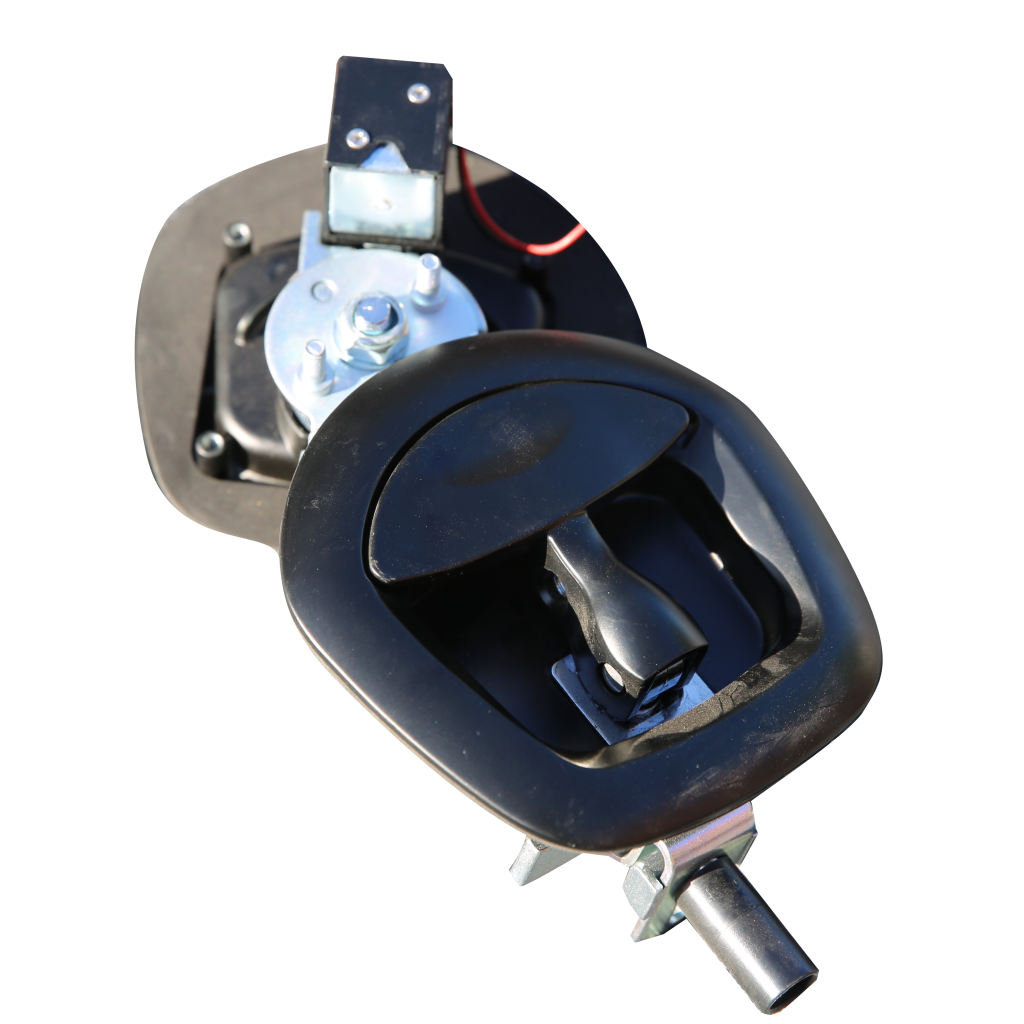
Operate the doors and closures. Notice whether they move and close as expected, and whether the arrangement supports the way you plan to store equipment. Security also depends on the whole setup, including what you store and how you access it. Ute whale tail locks are available as an accessory, so include the lock in your assessment rather than assuming it comes standard with every canopy.
Compare options using the same questions each time: material, visible fabrication, fit, access points and hardware. Record what’s stated, what you can inspect and what matters for your use. For broader Australian context on vehicle design rules, consult the Department of Infrastructure’s Australian Vehicle Design Regulations and ADRs when planning a vehicle setup.
Check material, fabrication, fit, access points and hardware separately, then compare each against your workload. If you’re considering an aluminium configuration, explore Chivalry’s aluminium ute canopies.
How do work, touring and mixed-use canopies compare?
Start with how the ute earns its keep. A work setup needs to make tools practical to reach; a touring setup must organise trip gear around what you’ll use on the road; a mixed-use setup has to balance both. There’s no universal winner. The right heavy duty ute canopy configuration depends on your vehicle use, storage priorities and plans for future additions.
| Use |
Storage access |
Typical carried gear |
Fit-out planning |
| Trade work |
Frequent access to tools and equipment during the day |
Work tools, parts and job-specific gear |
Organise around daily tasks and the items used most often |
| Touring |
Easy access to essentials, with less-used items stored out of the way |
Travel, camping and recovery gear |
Allow for touring equipment and how it will be arranged |
| Mixed use |
Access to work gear without blocking weekend or touring items |
A changing combination of tools and trip essentials |
Plan how the setup will adapt between workdays and time away |
Choose a setup for trade work
For regular trade use, map storage to your most common tasks. If you reach for hand tools and small parts throughout the day, organised storage can keep them separate from bulkier equipment. If the load changes between jobs or includes oversized gear, a more open canopy space may suit better. Think about where you park and load, too. Access that works at one job site may be awkward at another.
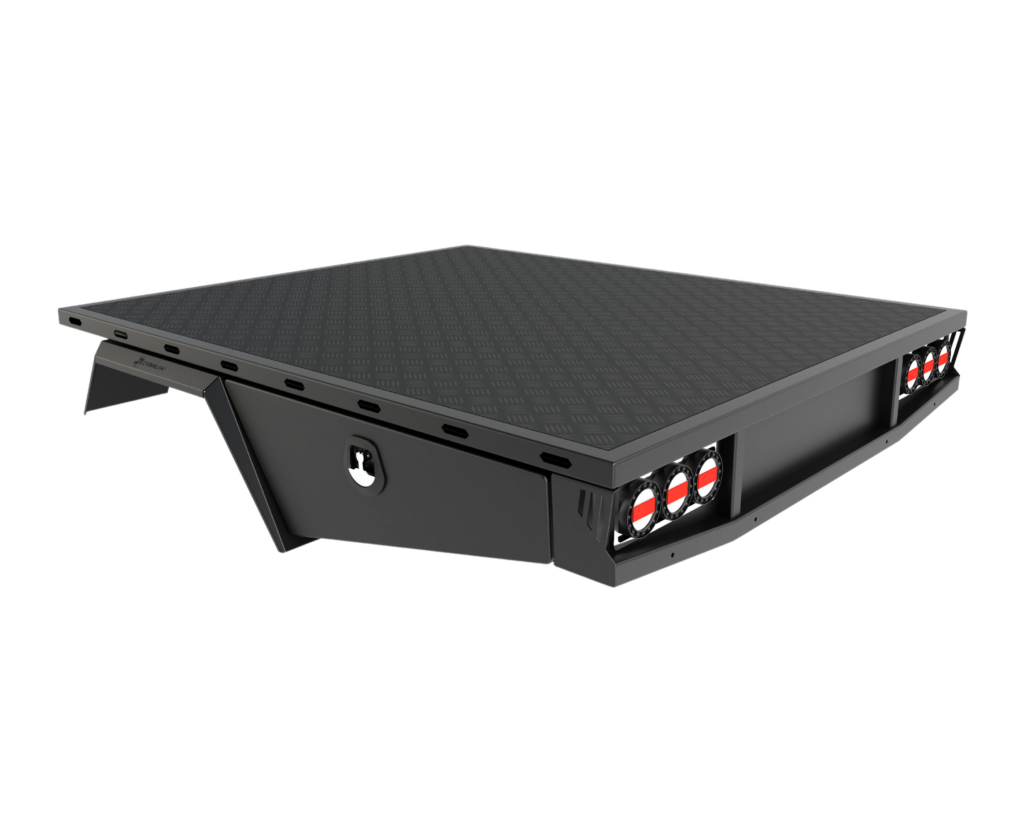
A standalone canopy may suit a ute with a tray you want to retain. If you’re planning both components as one setup, consider a tray-and-canopy combo. Compare each option against your vehicle and the way you carry equipment. The ute tray and canopy combo guide can help you think through a combined work configuration.
Choose a setup for touring or mixed use
For touring, list the essentials you’ll need on a trip, then separate items you access often from gear that can stay packed. For a mixed-use ute, do the same with work equipment and weekend gear. This shows where storage demands compete and whether you’ll need to move one set of items to make room for another.
Consider future additions before settling on a layout. A setup with no practical room for planned equipment can limit how you use the vehicle later. Chivalry’s tray-and-canopy combos and standalone aluminium canopies offer different starting points for planning around your use. For a broader look at arranging work or touring equipment, use the ute canopy setup guide to map your fit-out needs.
What should your heavy duty ute canopy checklist cover?
Put the key details on paper before choosing a configuration. A completed checklist makes it easier to compare options against your ute, the equipment you carry and the access you need. It can also flag fit-out plans that may affect the vehicle’s available carrying capacity.
Confirm vehicle fit and carrying requirements
Start with the vehicle, not the canopy. Record the make, model and body style, then use the manufacturer’s specifications for relevant GVM and payload information. Limits differ between vehicles, so don’t rely on a generic payload figure. If you’re checking compatibility, the ute canopy fitment guide offers another practical reference for your planning.
- Write down your vehicle details. Note the make, model, body style and relevant specifications from the vehicle manufacturer.
- List who and what the ute carries. Include occupants, tools, work equipment, touring gear and existing accessories.
- Consider the complete load. Account for the canopy, tray and planned fit-out, as well as passengers and cargo, when assessing payload against the manufacturer’s information.
- Map your access needs. Identify which items you need to reach often, where they’ll be stored and how you’ll load them.
- Set storage priorities. Separate gear that needs secure storage from bulky or changing loads that need open space.
- Note future additions. Record planned equipment that could affect the layout, available storage or carrying capacity.
Set the layout and future-use priorities
Make your gear list specific. For example, note which tools come out at every job, which parts stay packed and whether larger equipment needs an unobstructed space. For touring, add the essentials you expect to carry and mark what you’ll need to reach while travelling. This turns a broad wish list into a layout brief based on real use.
Next, divide your ideas into must-haves and optional additions. A frequently used item may need to sit close to an access point, while occasional gear can take a less prominent spot. Include future fit-out plans, but consider how they could affect storage and the ute’s carrying capacity before treating them as fixed requirements.
Use the completed checklist to compare canopy configurations on equal terms. Chivalry designs aluminium canopies, trays and tray-and-canopy combos for Australian trade and touring customers. Explore Chivalry’s aluminium canopy options with your vehicle details, load plan and storage priorities in hand.
How can Chivalry help you plan a heavy-duty canopy setup?
You’ve compared the options and worked through your vehicle, load and storage needs. Now turn those notes into a clear brief for your setup. Chivalry designs and manufactures aluminium ute canopies, trays, service bodies and custom aluminium solutions for Australian trade and touring customers. The aim is to match the configuration to your vehicle and how you’ll use it, rather than adding equipment without a clear purpose.
Match the brief to Chivalry’s confirmed canopy options
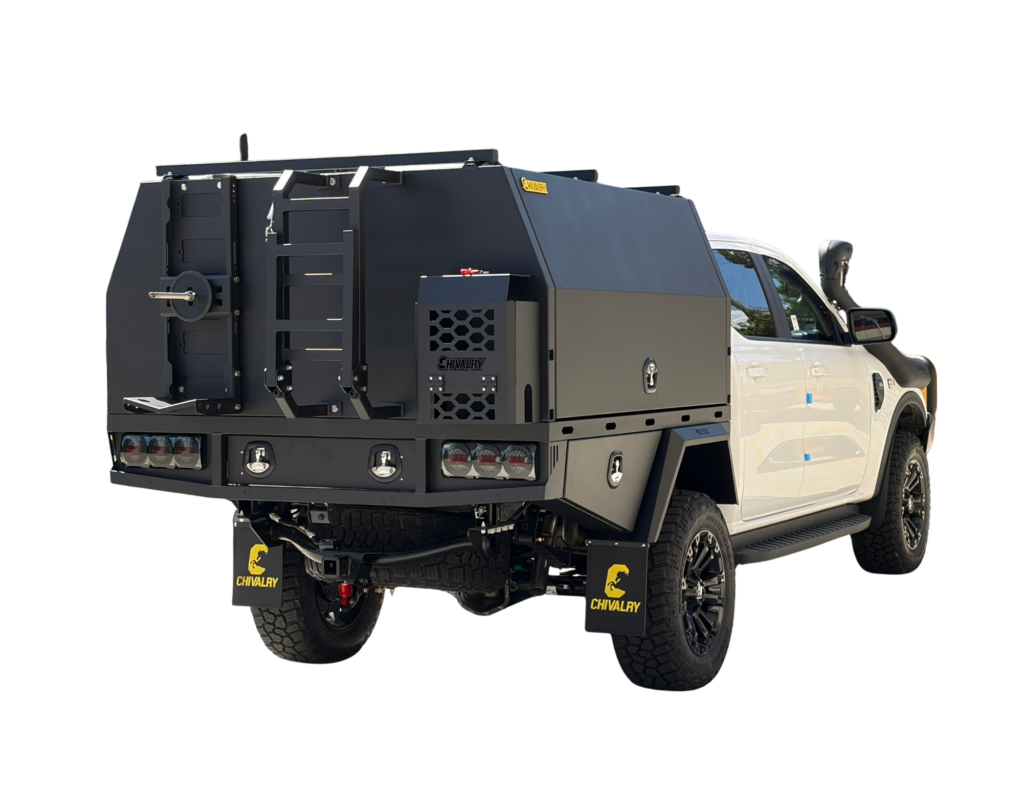
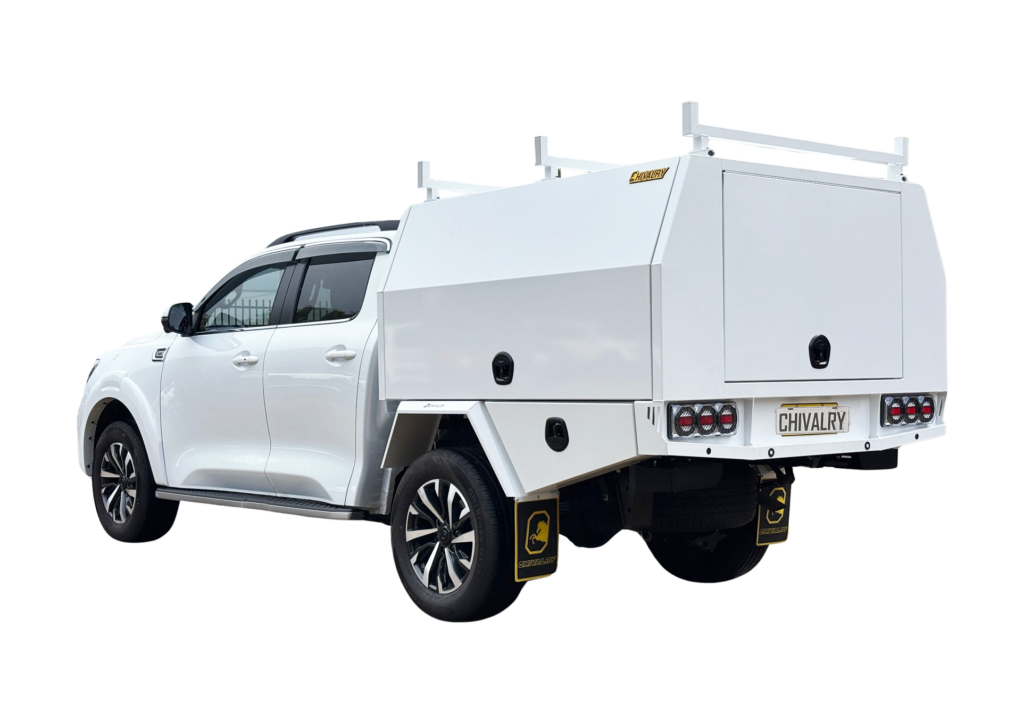
Chivalry’s canopy range includes the X1 and X3 series, as well as standalone canopies. If you’re planning a tray and canopy together, a tray-and-canopy combo brings both parts into the setup conversation. Custom fabrication is also available for requirements that call for a tailored aluminium solution. These are different starting points, not a ranking. The right direction depends on your vehicle, work and intended use.
For example, a ute already equipped with a tray may suit a standalone canopy, while a new combined setup may lead you to compare a tray-and-canopy combo. A mixed-use brief might need to account for work gear as well as touring equipment. Focus on what the vehicle needs to carry and how you want to access it. A series name alone won’t tell you which configuration is right.
Turn your checklist into a clear project brief
Make your notes easy to use. Include the vehicle make, model and body style, along with relevant manufacturer specifications. Summarise your typical load, who travels in the ute and the gear you need to access regularly. Then set out your storage priorities and intended use: trade, touring or a mix of both.
Separate essentials from optional additions. Note any planned fit-out items, and keep the vehicle’s carrying capacity in view as you consider the complete setup. A concise brief keeps decisions grounded in actual requirements instead of a growing list of “might be useful” extras.
- Vehicle: make, model, body style and relevant specifications.
- Use: regular work, touring or mixed use.
- Load: occupants, everyday equipment and planned additions.
- Layout: frequently accessed gear, secure storage needs and open-space priorities.
- Configuration: standalone canopy, tray-and-canopy combo or custom fabrication to suit the project.
With those details in hand, you can turn a broad idea into a focused heavy duty ute canopy brief. Explore Chivalry’s ute canopies and fabrication options and take the next step towards a setup matched to your vehicle and workload.
Turn your canopy plan into your next move
The choices you make now can shape how easily your ute adapts to changing jobs, gear and travel plans. Before settling on a configuration, picture the vehicle in use beyond the first week: what might change, what must stay accessible and what additions could come later? A considered setup gives each part a clear purpose, rather than leaving you with space or equipment that earns its place only occasionally.
A clear brief also makes the next decision simpler. Keep your priorities practical and use them to move from broad ideas towards a configuration suited to your ute’s real role. The best next step isn’t to chase every possible extra. It’s to choose a heavy duty ute canopy based on the work and trips you expect your vehicle to handle.
Explore Chivalry’s ute canopies and fabrication options to plan a setup around your vehicle and workload.
Frequently Asked Questions
What makes a ute canopy heavy duty?
A heavy-duty canopy is one built and configured for the demands you’ll put on it, rather than one that simply looks rugged. Consider the gear it must carry, how often you’ll open it, the conditions your ute faces and whether the layout suits your daily routine. Compare visible construction and hardware, and look for clear details about the specific configuration instead of relying on the label alone.
Can a heavy duty ute canopy reduce my vehicle’s payload?
Yes. The canopy and any added fit-out contribute to the vehicle’s total load, leaving less capacity for people and cargo. Start with the payload information in your vehicle manufacturer’s specifications, then account for the canopy, accessories, occupants and the gear you carry. If your usual load varies, assess the heaviest realistic setup, not just the ute on a typical light day.
How do I choose a ute canopy for trade work and touring?
Choose based on what needs to be stored and accessed for each use. A tradie who retrieves small tools throughout the day may need a different arrangement from a traveller carrying bulky gear used less often. For a dual-purpose ute, make two gear lists and note which items must stay in the vehicle between jobs and trips. This helps reveal storage clashes before you settle on a layout.
Is an aluminium ute canopy suitable for demanding Australian conditions?
It can be, provided the particular canopy and setup suit the conditions and use you have in mind. Chivalry’s ute canopies are made from aluminium, but the material alone doesn’t establish how a canopy will perform in your application. Consider the vehicle, intended load, access needs and exposure to dust, weather or rough tracks. Assess the whole configuration rather than treating any material as a universal solution.
What should I check before fitting a canopy to my ute?
Check that the canopy configuration is intended for your ute’s make, model and body style, and compare its fit with the vehicle’s specifications. Account for the canopy, tray, accessories, occupants and cargo when reviewing payload information from the vehicle manufacturer. Also consider how the canopy will affect access to existing equipment and whether your planned setup leaves enough room for the gear you actually carry.
Can I buy a ute canopy without a tray?
Yes. A standalone canopy can suit a ute that already has a tray or where you’re planning to use a separate tray. Chivalry offers standalone aluminium canopies as well as tray-and-canopy combos. The choice depends on your existing vehicle setup and whether you want to retain the tray or plan both components together. Include vehicle details and intended use in your comparison.
What is the difference between a ute canopy and a service body?
A canopy provides enclosed storage over a ute tray. A service body is a purpose-built body designed around work storage, with organised compartments for tools and equipment. Chivalry manufactures both aluminium ute canopies and service bodies. Consider how you carry gear: a canopy may suit enclosed storage over a tray, while a service body may better suit a work setup organised around dedicated compartments.